Finding the right orthopedic clinic in Chitlapakkam is important when bone, joint, muscle, ligament or spine problems begin affecting your daily activities. Priya Ortho Clinic provides comprehensive orthopaedic care for patients experiencing knee pain, hip problems, shoulder conditions, fractures, sports injuries, arthritis, ligament injuries and spine-related concerns.
Orthopaedic conditions can develop gradually due to ageing, joint degeneration, arthritis, repetitive physical activity or changes in the musculoskeletal system. Injuries may also occur suddenly because of falls, accidents, sports activities or physical strain. A detailed orthopaedic evaluation can help identify the underlying problem and guide appropriate treatment.
Priya Ortho Clinic offers personalised orthopaedic care for patients from Chitlapakkam and nearby areas. Depending on the diagnosis, treatment may include conservative management, physiotherapy, rehabilitation, minimally invasive procedures or orthopaedic surgery.
Whether you are experiencing persistent knee pain, a recent fracture, sports injury, arthritis, back pain, shoulder pain or a condition that may require joint replacement, professional orthopaedic consultation can help you understand your condition and available treatment options.
Orthopaedic problems can affect different parts of the musculoskeletal system, including the knees, hips, shoulders, spine, muscles, ligaments, tendons and other joints. Symptoms may include pain, swelling, stiffness, weakness, instability or restricted movement.
At Priya Ortho Clinic, patients can receive evaluation and treatment guidance for a wide range of orthopaedic conditions. Understanding the reason behind the symptoms is an important part of selecting the appropriate treatment. Depending on the diagnosis, care may include non-surgical treatment, medication, physiotherapy, rehabilitation, injections or surgical procedures.
Each patient's treatment requirements can be different. Factors such as age, activity level, previous injuries, severity of symptoms and daily functional needs may be considered while planning orthopaedic care.
When searching for the best orthopedic clinic in Chitlapakkam, patients may consider the type of orthopaedic care available, the treatment options offered and the clinic's approach to diagnosis and personalised treatment. Different conditions require different methods of management, making proper evaluation an important first step.
Orthopaedic care can range from conservative treatment for common joint problems to specialised procedures for fractures, ligament injuries, sports injuries, spine conditions and advanced joint damage. Understanding the diagnosis helps patients discuss the most suitable treatment options with their orthopaedic specialist.
Priya Ortho Clinic focuses on evaluating each patient's condition and developing treatment guidance according to their symptoms, diagnosis and individual functional requirements.
An orthopaedic consultation can help patients understand persistent pain, stiffness, swelling, weakness or restricted movement. Symptoms affecting the knee, hip, shoulder, spine or other joints may gradually interfere with walking, working, exercising and routine activities.
During an orthopaedic consultation, the affected area and symptoms are assessed to understand the possible cause of the problem. Depending on the clinical findings, diagnostic investigations may be recommended when required.
After evaluating the condition, suitable treatment options can be discussed according to the patient's symptoms, diagnosis and recovery requirements.
Knee pain can develop because of arthritis, cartilage damage, meniscus problems, ligament injuries, sports injuries, overuse or previous trauma. Persistent knee pain may affect walking, climbing stairs, exercising, standing and other everyday activities.
Orthopaedic assessment can help determine the underlying cause of knee symptoms and understand the severity of the condition. Treatment may include conservative management, physiotherapy, rehabilitation, medication, injections or surgical procedures depending on the diagnosis.
For selected patients with advanced knee joint damage, knee replacement may be considered when other treatment options are no longer sufficient and the condition significantly affects mobility.
Hip pain can make walking, climbing stairs, sitting and other everyday movements difficult. Arthritis, joint degeneration, injuries and other hip conditions can affect mobility and cause persistent discomfort.
A detailed orthopaedic assessment can help determine the cause of hip pain and identify suitable treatment options. Depending on the severity of the condition, treatment may involve conservative care, physiotherapy, rehabilitation or surgical intervention.
Hip replacement may be considered for suitable patients with significant joint damage and persistent symptoms that interfere with daily activities.
Shoulder pain can affect reaching, lifting, dressing, carrying objects and exercising. Problems involving the rotator cuff, tendons, shoulder joint or surrounding soft tissues can result in pain, weakness and restricted movement.
Shoulder injuries may occur because of falls, sports, repetitive movements or sudden strain. Orthopaedic evaluation can help identify the underlying condition and determine whether conservative treatment, rehabilitation, injections or surgery may be appropriate.
With suitable rehabilitation and follow-up, patients can work towards improving shoulder movement, strength and function.
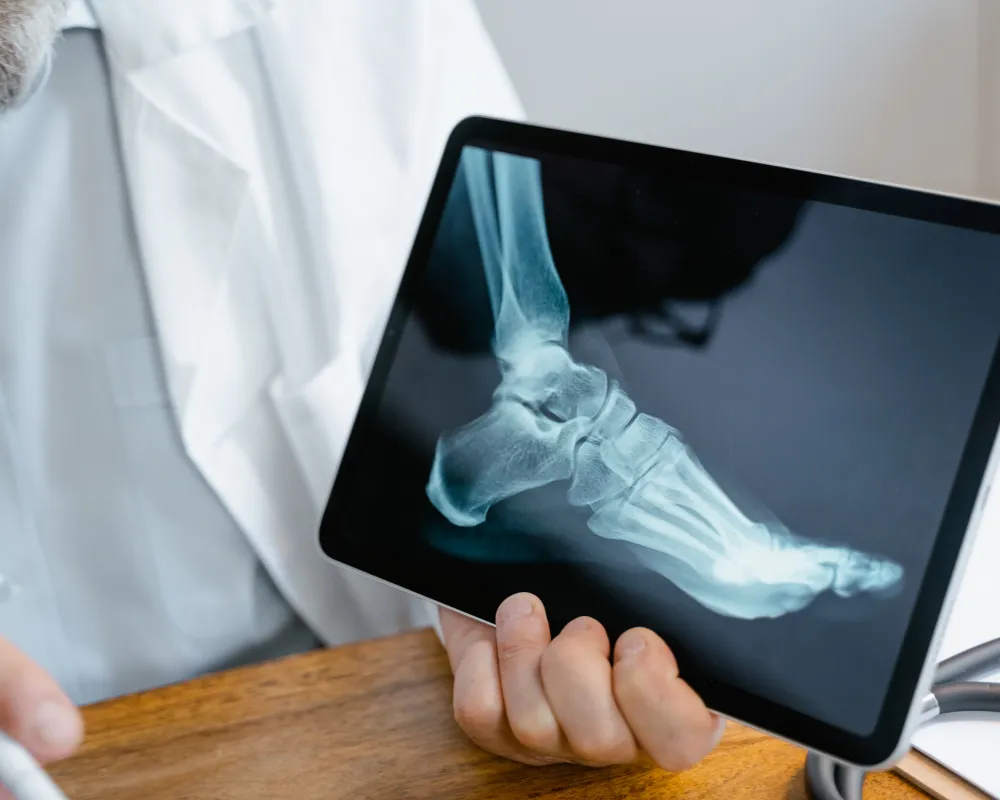
Fractures can occur following falls, road accidents, sports injuries and other forms of trauma. Proper orthopaedic evaluation is important to understand the location, type and severity of a fracture before selecting a treatment approach.
Depending on the fracture and the affected bone, treatment may involve immobilisation, monitoring, rehabilitation or surgical management. The treatment plan depends on the nature of the injury and the patient's individual clinical requirements.
Follow-up care can help monitor bone healing and support the gradual restoration of movement and strength after a fracture.
Sports injuries can affect athletes, fitness enthusiasts, children participating in sports and adults involved in recreational activities. Running, jumping, sudden movements and repetitive training can place stress on muscles, tendons, ligaments and joints.
Common sports injuries include sprains, muscle strains, ligament injuries, tendon problems and cartilage-related conditions. Orthopaedic assessment helps determine the extent of an injury and whether conservative treatment, rehabilitation or surgical care may be required.
Sports rehabilitation can focus on restoring strength, flexibility, balance, joint stability and movement before returning to regular physical activity.
Arthritis can cause ongoing joint pain, stiffness, swelling and reduced movement. Knee and hip arthritis may particularly affect walking and daily activities, while other joints can also be affected.
Orthopaedic evaluation helps determine the severity of arthritis and identify suitable management options. Depending on the condition, treatment may include medication, physiotherapy, rehabilitation, lifestyle modifications, injections or surgery.
For patients with advanced joint degeneration and significant functional limitations, joint replacement may be considered after detailed clinical assessment.
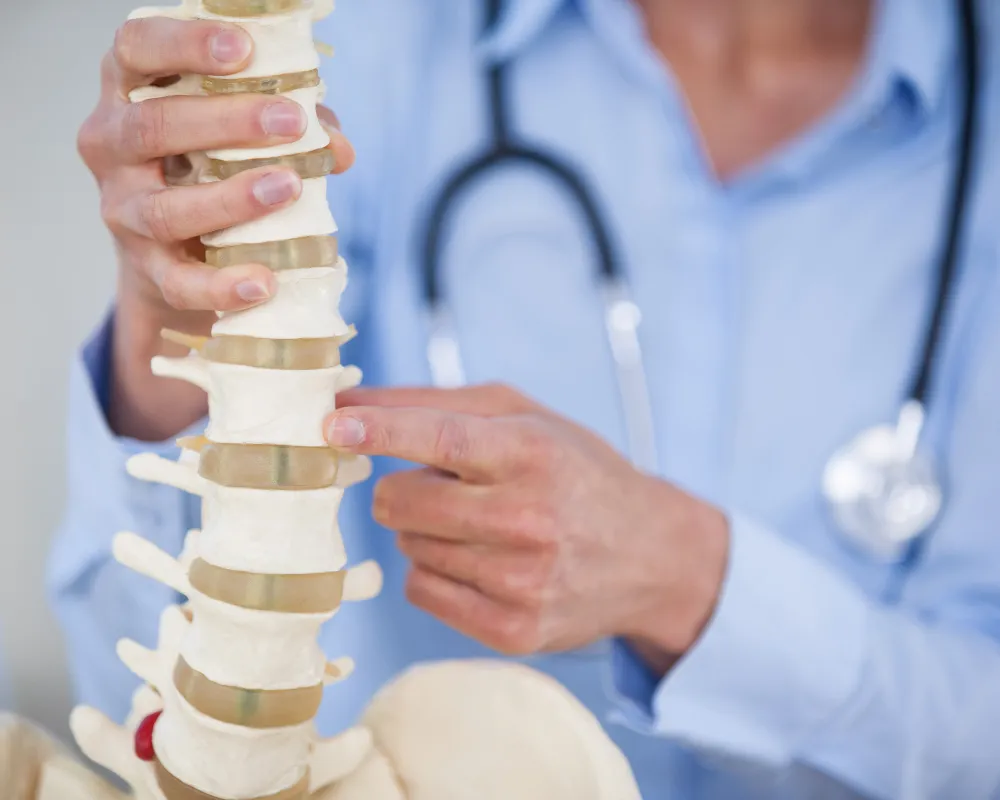
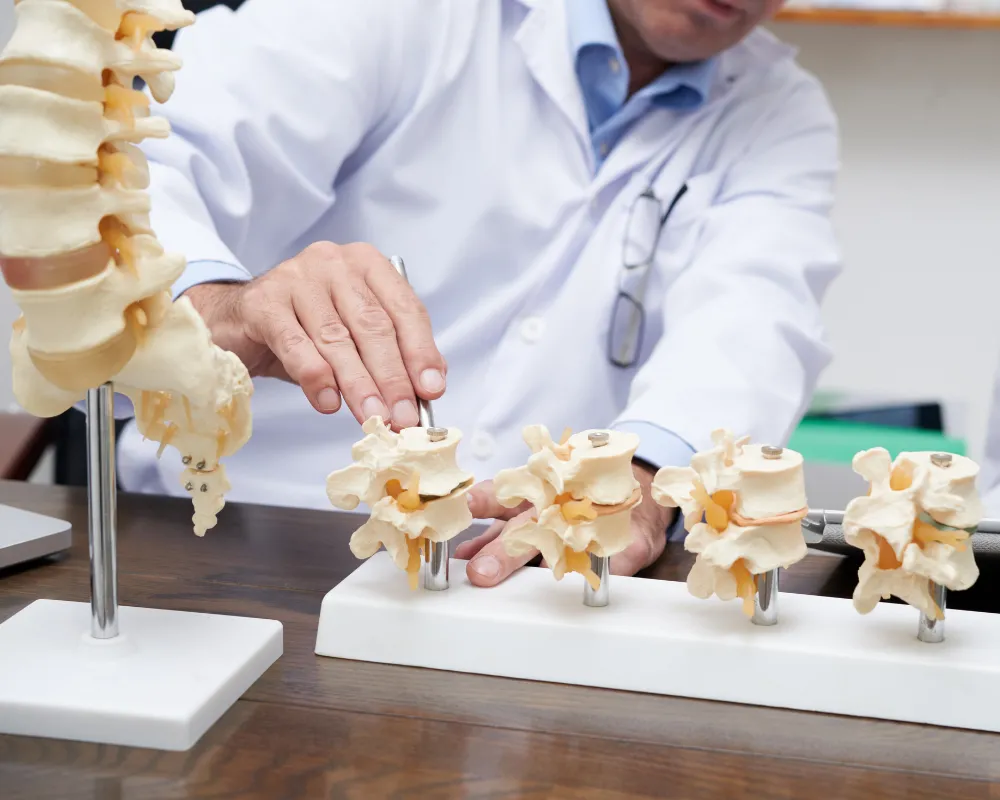
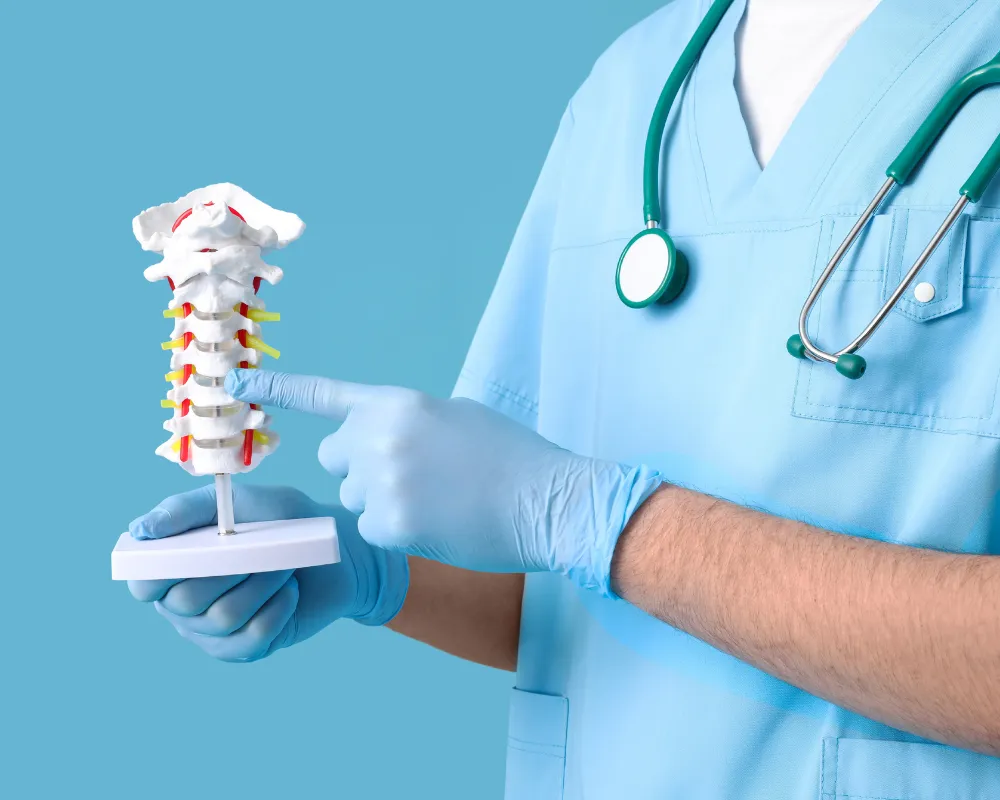
Back pain, neck pain and disc-related conditions can interfere with sitting, standing, sleeping, working and physical activities. Spine problems may develop because of physical strain, injuries, degenerative changes or repetitive stress.
An orthopaedic evaluation can help identify the possible source of spine-related symptoms. Depending on the diagnosis, treatment may involve conservative care, physiotherapy, rehabilitation, medication or spine surgery when clinically indicated.
Patients experiencing persistent or recurring back and neck symptoms can benefit from professional evaluation to understand the condition and available treatment options.
Joint replacement is a treatment option for selected patients with advanced joint damage, severe arthritis or other conditions that significantly affect mobility and daily activities. Knee and hip replacement are commonly performed joint replacement procedures.
Before recommending joint replacement, an orthopaedic specialist evaluates the patient's symptoms, joint condition, mobility and overall treatment requirements. The decision to undergo surgery depends on the individual's clinical condition and treatment needs.
Post-operative rehabilitation and appropriate follow-up are important parts of the recovery process after joint replacement surgery.
Robotic-assisted technology can support planning and precision during selected joint replacement procedures. Whether this approach is suitable depends on the patient's joint condition, anatomy and specific surgical requirements.
An orthopaedic specialist can assess the condition and explain whether robotic-assisted replacement may be appropriate. Patients can discuss the procedure, potential benefits, recovery process and rehabilitation requirements during consultation.
Arthroscopic keyhole surgery is a minimally invasive technique used for selected joint conditions. It may be considered for certain cartilage, meniscus, ligament and soft-tissue problems, particularly in joints such as the knee and shoulder.
A small camera and specialised instruments can be used through small incisions to examine or treat specific joint problems. The suitability of arthroscopic surgery depends on the diagnosis and clinical findings.
After arthroscopic treatment, appropriate rehabilitation can help restore joint movement, strength and function and support a gradual return to normal activities.
Ligaments and tendons are important for joint stability and movement. Injuries to these structures can occur during sports, exercise, falls or sudden movements and may cause pain, swelling, weakness or instability.
The severity of a ligament or tendon injury needs to be evaluated before treatment is selected. Depending on the condition, management may include physiotherapy, rehabilitation, bracing, activity modification or surgical repair or reconstruction.
Patients who participate in sports may require structured rehabilitation to restore strength and joint stability before returning to their regular activities.
Orthopaedic trauma can result from road accidents, falls, sports injuries and other unexpected events. Trauma may affect bones, joints, ligaments, muscles and other structures of the musculoskeletal system.
Prompt orthopaedic evaluation can help determine the extent of an injury and guide appropriate treatment. Depending on the nature of the trauma, patients may require fracture management, immobilisation, surgery or rehabilitation.
Follow-up assessment is also important for monitoring healing and gradually restoring movement, strength and function after an injury.
Every patient can experience an orthopaedic condition differently. Age, occupation, lifestyle, physical activity, previous injuries and functional requirements may influence the choice of treatment.
At Priya Ortho Clinic, treatment planning is based on the patient's symptoms, clinical findings and diagnosed condition. Patients can discuss suitable non-surgical and surgical treatment options according to their individual needs.
The aim of personalised orthopaedic care is to help patients understand their condition and work towards improved mobility, comfort and physical function.
People who regularly participate in sports, running, gym workouts or other physical activities may experience injuries involving the knees, shoulders, ankles, muscles, ligaments and tendons.
Orthopaedic evaluation can help determine whether an injury requires rest and rehabilitation or more specialised treatment. A structured recovery programme can focus on restoring strength, flexibility, stability and movement.
Returning to sports and physical activity should be based on appropriate recovery of strength and function and should follow professional guidance when necessary.
Persistent joint pain, swelling, stiffness, weakness or restricted movement can affect daily life and may require professional evaluation. An orthopaedic consultation can be considered when symptoms continue, become more frequent or interfere with normal activities.
Orthopaedic assessment may also be appropriate after a significant fall, accident, sports injury or suspected fracture. Identifying the underlying condition can help determine whether conservative treatment, rehabilitation or surgical intervention may be required.
Modern orthopaedics includes a range of treatment approaches for different bone and joint conditions. Depending on the diagnosis, patients may require conservative management, rehabilitation, arthroscopy, joint replacement, fracture treatment, ligament procedures or other specialised orthopaedic care.
Advanced procedures should be recommended according to the patient's diagnosis and clinical requirements. An orthopaedic specialist can explain the available options, treatment process and expected recovery based on the individual condition.
Orthopaedic problems can affect children, young adults, working professionals, athletes and older adults. The nature of the condition and treatment requirements can vary according to age, physical activity and lifestyle.
Adults may seek treatment for sports injuries, work-related strain, arthritis, fractures, joint pain or spine problems, while older adults may experience age-related joint degeneration and mobility difficulties.
A personalised orthopaedic assessment can help determine suitable treatment according to the patient's age, condition and functional requirements.
Priya Ortho Clinic provides orthopaedic consultation and treatment for a range of bone, joint and musculoskeletal conditions for patients in and around the Chitlapakkam area. Public listings also identify Priya Ortho Clinic among orthopaedic care options associated with Chitlapakkam.
The orthopaedic approach can include evaluation and treatment planning for joint pain, fractures, sports injuries, arthritis, ligament problems, spine conditions and conditions requiring specialised procedures. Treatment recommendations are based on the patient's diagnosis and individual requirements.
If you are searching for the best orthopedic clinic in Chitlapakkam for knee pain, hip problems, fractures, sports injuries, arthritis, spine conditions, ligament injuries or joint replacement, Priya Ortho Clinic provides comprehensive orthopaedic care with treatment options tailored to individual patient needs.
Faq’s
Orthopedic doctors treat bone, joint, muscle, ligament and spine conditions, including fractures, joint pain and sports injuries