Pain, stiffness, restricted movement, and muscle tightness can affect everyday activities and make even simple movements uncomfortable. Physiotherapy offers several supportive treatment techniques that can be used to improve comfort and prepare the body for therapeutic exercises. Wax therapy, also known as paraffin wax therapy, is one such heat-based physiotherapy technique that may be recommended for selected conditions affecting the hands, feet, joints, and soft tissues. Priya Ortho Clinic in Chennai provides physiotherapy and orthopedic care based on the individual needs of each patient. When clinically appropriate, wax therapy can be incorporated into a personalised rehabilitation programme to help manage stiffness, improve tissue flexibility, and provide soothing therapeutic warmth. Wax therapy is particularly useful when stiffness and discomfort are associated with certain joint and soft-tissue conditions. It is commonly used as a supportive treatment before exercises, stretching, or other physiotherapy techniques.
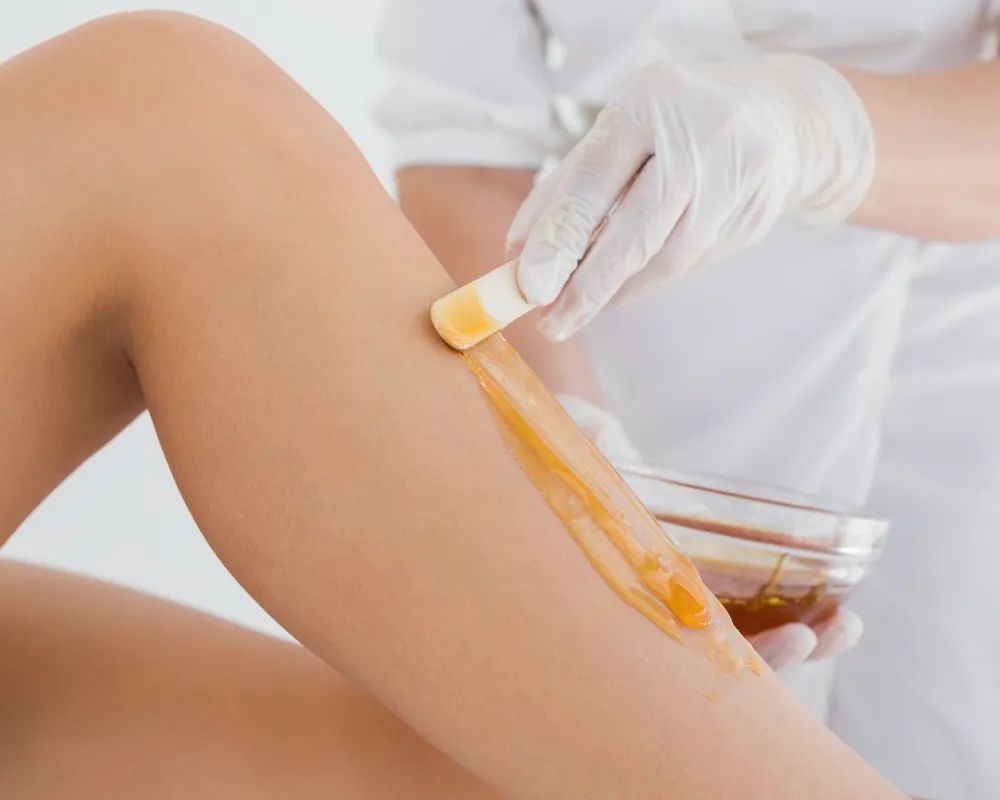
Make An AppointmentWax therapy is a therapeutic heat treatment in which specially prepared paraffin wax is applied to a selected body part. The wax provides gentle, even warmth to the treated area. The heat from the wax can help warm the superficial tissues and may promote relaxation of tight muscles and soft tissues. This can make movement and stretching more comfortable for some patients. Unlike ordinary cosmetic wax, therapeutic paraffin wax used in physiotherapy is specifically prepared and maintained at an appropriate therapeutic temperature.
At Priya Ortho Clinic, Chennai, wax therapy may be recommended as part of a broader physiotherapy treatment plan when heat therapy is considered suitable. The treatment is not necessarily used as a standalone solution. Depending on the patient's condition, it may be combined with:
The treatment programme is selected according to the patient's symptoms, physical condition, mobility limitations, and rehabilitation goals.
At Priya Ortho Clinic, Chennai, treatment is planned according to the patient's individual condition rather than using the same approach for every neck pain complaint.
Paraffin wax therapy works primarily through the application of controlled superficial heat. When warm wax is applied to the selected area, it gradually transfers heat to the surrounding superficial tissues. This warming effect may help:
Cervical or lumbar traction may be considered in selected cases involving:
When appropriately selected and applied, wax therapy may provide several supportive benefits.
Stiff joints can make everyday activities difficult. Warmth from paraffin therapy may help loosen superficial tissues and make movement feel more comfortable. This can be particularly useful for patients who experience stiffness in the fingers, hands, feet, or other small joints.
The gentle warmth of paraffin wax can provide a soothing sensation around the treated area. Some patients find this helpful when dealing with muscular or joint discomfort.
Heat can temporarily increase the flexibility of superficial soft tissues. When followed by appropriate stretching or mobility exercises, this may help patients work through restricted movement more comfortably.
Wax therapy may be used before therapeutic exercises. Warming the area can help prepare stiff joints and tissues for movement-based rehabilitation.
Wax therapy can complement exercises and other physiotherapy interventions. It may be included as part of a treatment plan rather than being relied upon as the only treatment.
Wax therapy may be considered for selected patients with conditions involving joint stiffness, soft-tissue tightness, or discomfort. Depending on the individual's assessment, it may be used as supportive therapy for:
Stiffness in the hands and fingers can interfere with writing, typing, gripping, cooking, dressing, and other everyday tasks. Warm wax therapy may help provide temporary relief from stiffness and prepare the fingers and hands for mobility exercises.
Certain forms of arthritis can result in joint pain and stiffness. Heat therapy may be used as part of a physiotherapy programme for suitable patients. Wax therapy can be particularly convenient for small joints of the hands and feet where controlled superficial heat may be useful.
Following certain injuries, joints may become stiff due to reduced movement. Once appropriate healing has occurred and the treating professional considers heat suitable, wax therapy may be incorporated into rehabilitation.
Some patients may develop stiffness following orthopedic procedures. Heat-based therapy may sometimes be included during rehabilitation, depending on the stage of recovery and the surgeon or physiotherapist's recommendations. Wax therapy should never be started over a healing surgical site without appropriate professional guidance.