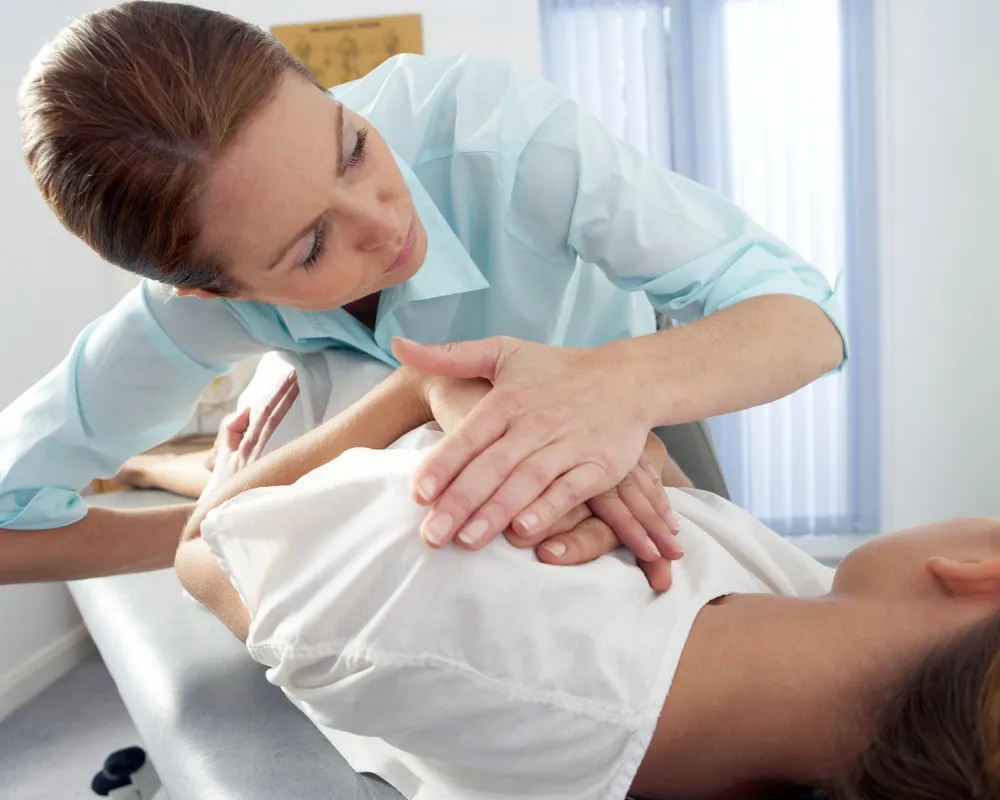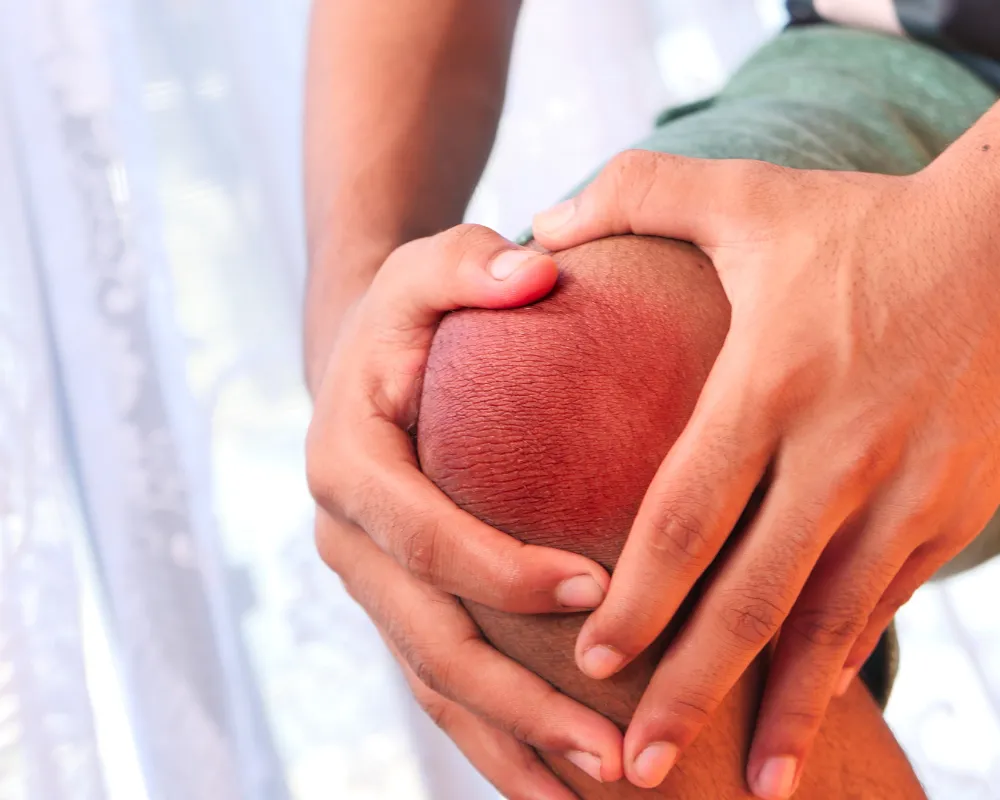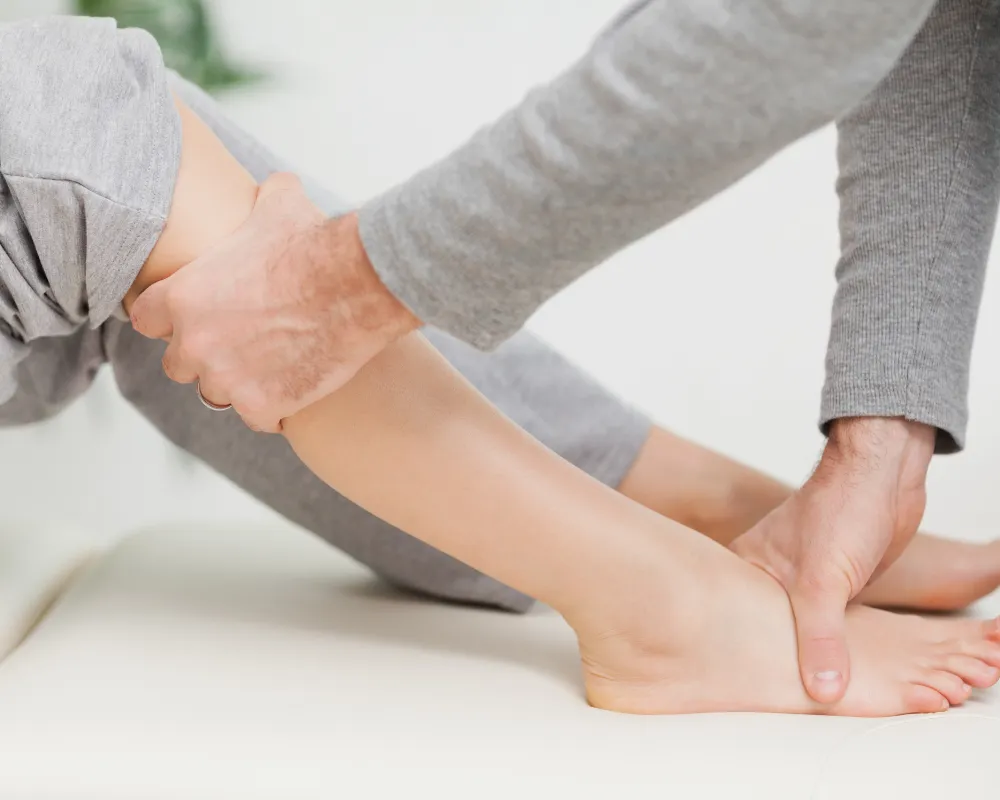
Joint stiffness, restricted movement, pain, and reduced flexibility can make everyday activities difficult. Simple movements such as walking, climbing stairs, reaching overhead, bending, turning the neck, or using the hands may become uncomfortable when a joint is not moving normally. Physiotherapy offers several treatment approaches to improve joint movement and restore functional mobility. Joint mobilisation is one of the commonly used manual therapy techniques that may be recommended for selected patients after an appropriate assessment. Priya Ortho Clinic in Chennai provides orthopedic and physiotherapy care for a wide range of musculoskeletal conditions. When clinically appropriate, joint mobilisation may be included as part of an individualised rehabilitation programme to address restricted joint movement, stiffness, and certain types of musculoskeletal pain. Joint mobilisation involves controlled, therapist-applied movements to a joint. The technique is selected according to the affected joint, the patient's symptoms, the available range of motion, and the overall rehabilitation goal. It is generally combined with active exercises and other physiotherapy techniques rather than being used as the only treatment.
Make An AppointmentJoint mobilisation is a manual physiotherapy technique in which a trained physiotherapist applies carefully controlled movements to a joint. The movement may involve gentle oscillations, sustained pressure, or specific gliding techniques designed to address restrictions in joint movement.
At Priya Ortho Clinic, Chennai, wax therapy may be recommended as part of a broader physiotherapy treatment plan when heat therapy is considered suitable. The treatment is not necessarily used as a standalone solution. Depending on the patient's condition, it may be combined with:
The technique varies significantly depending on the joint and the patient's condition. A shoulder mobilisation, for example, is different from mobilisation of the knee, ankle, wrist, or spine.
Healthy joints require appropriate movement between their connected surfaces. When a joint becomes stiff due to injury, prolonged immobilisation, surgery, inflammation, degenerative changes, or other musculoskeletal problems, movement may become restricted. During joint mobilisation, the physiotherapist uses a controlled manual technique to move the joint within an appropriate range. Depending on the technique used, mobilisation may:
Joint mobilisation can provide several potential benefits when appropriately selected.
Restricted movement can interfere with daily activities. Mobilisation may help improve movement in selected stiff joints.
A stiff joint may feel difficult to move, particularly after prolonged inactivity. Appropriate mobilisation can help patients move the joint more comfortably.
Improving range of motion can be an important part of rehabilitation after injury, surgery, or periods of reduced activity.
Some patients experience discomfort when moving a stiff joint. Appropriate manual therapy may help make movement more comfortable for selected conditions.
Mobilisation may be performed before therapeutic exercises to help patients move through a greater or more comfortable range.
Improved mobility can help patients gradually return to everyday activities, work, sports, and other functional movements.
Joint mobilisation can be used for several areas of the body, depending on the patient's condition.
Shoulder stiffness can affect reaching, dressing, lifting, combing hair, and overhead activities. Mobilisation may be considered for selected shoulder conditions involving restricted movement.