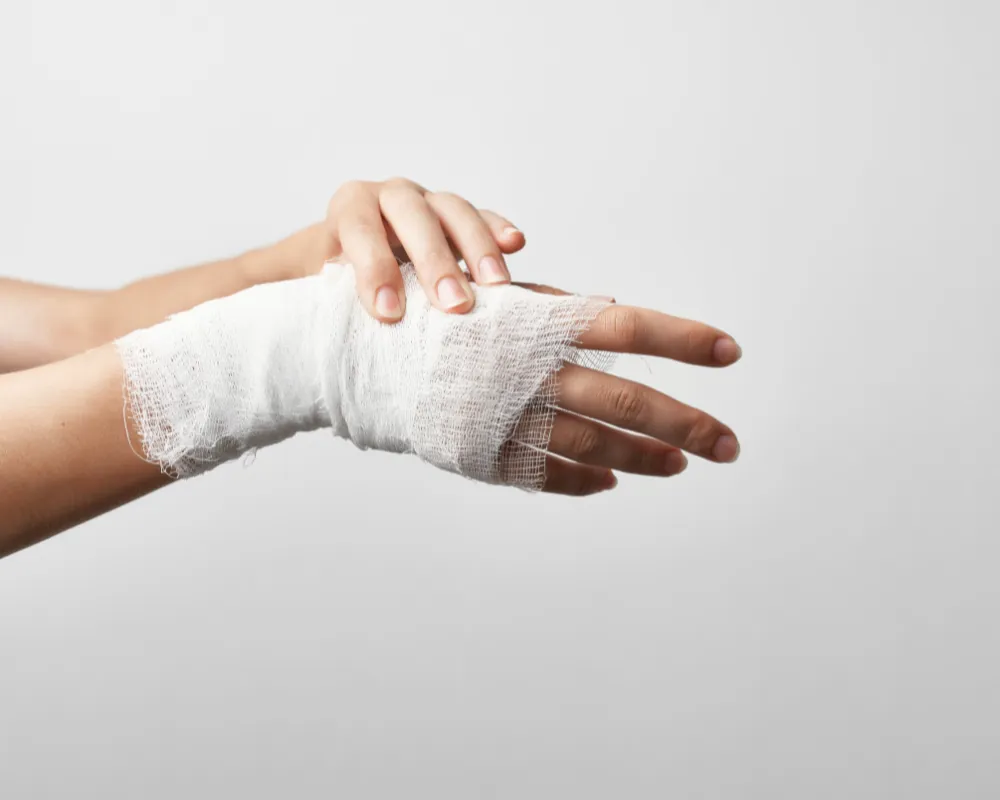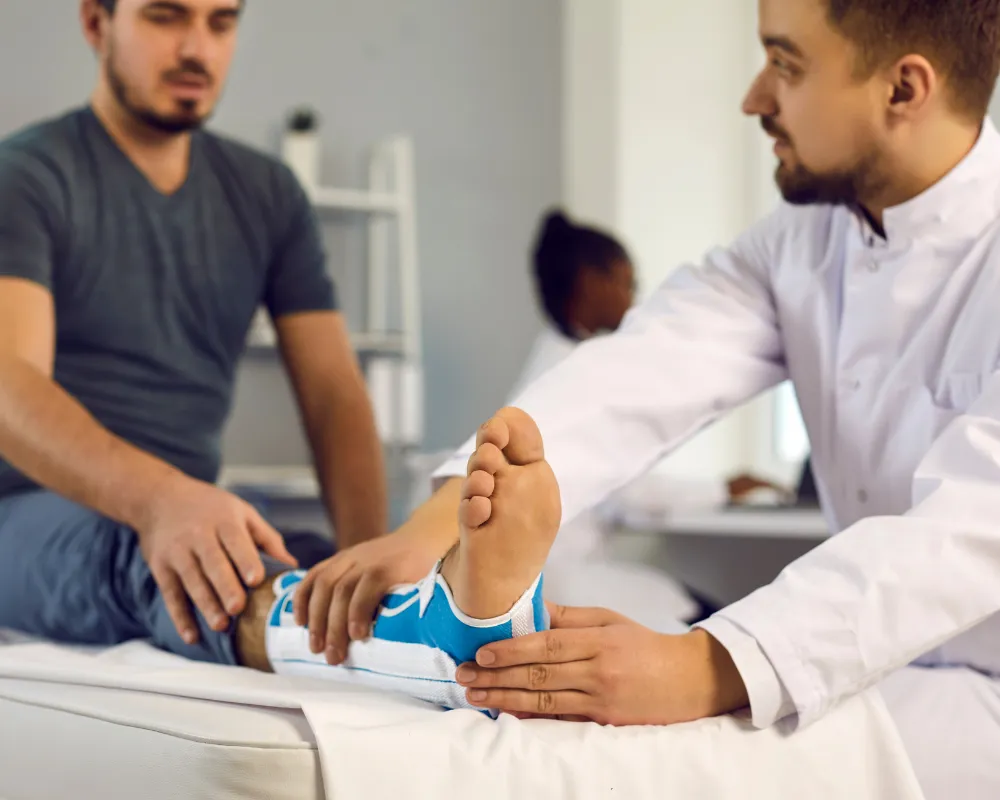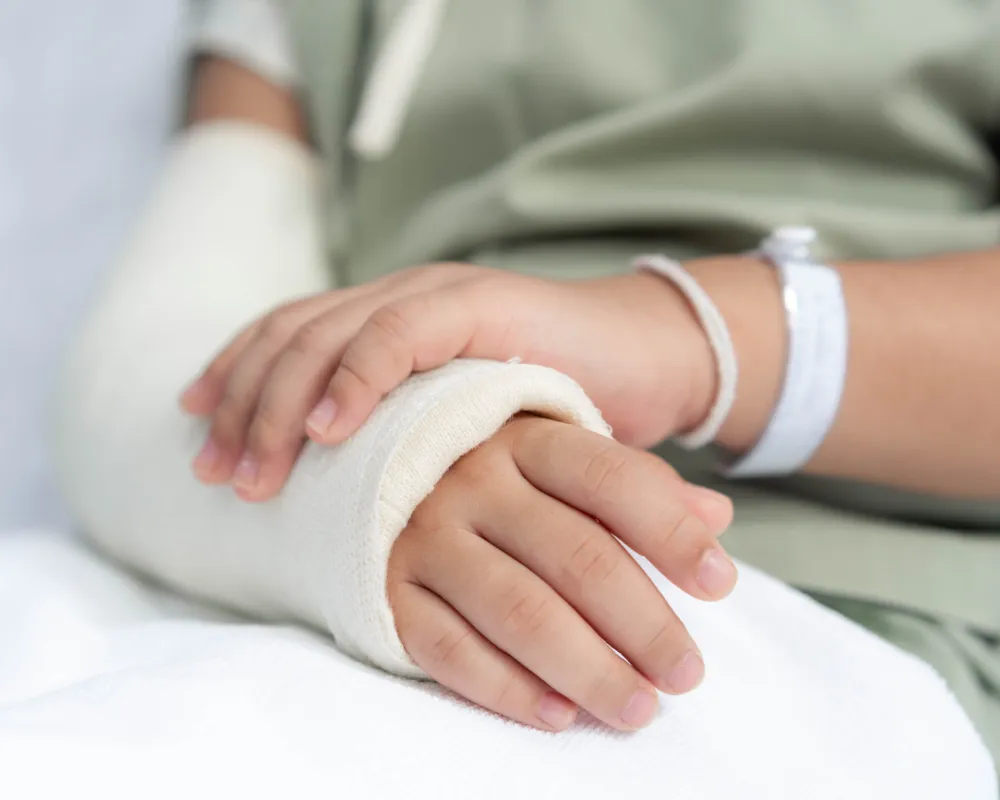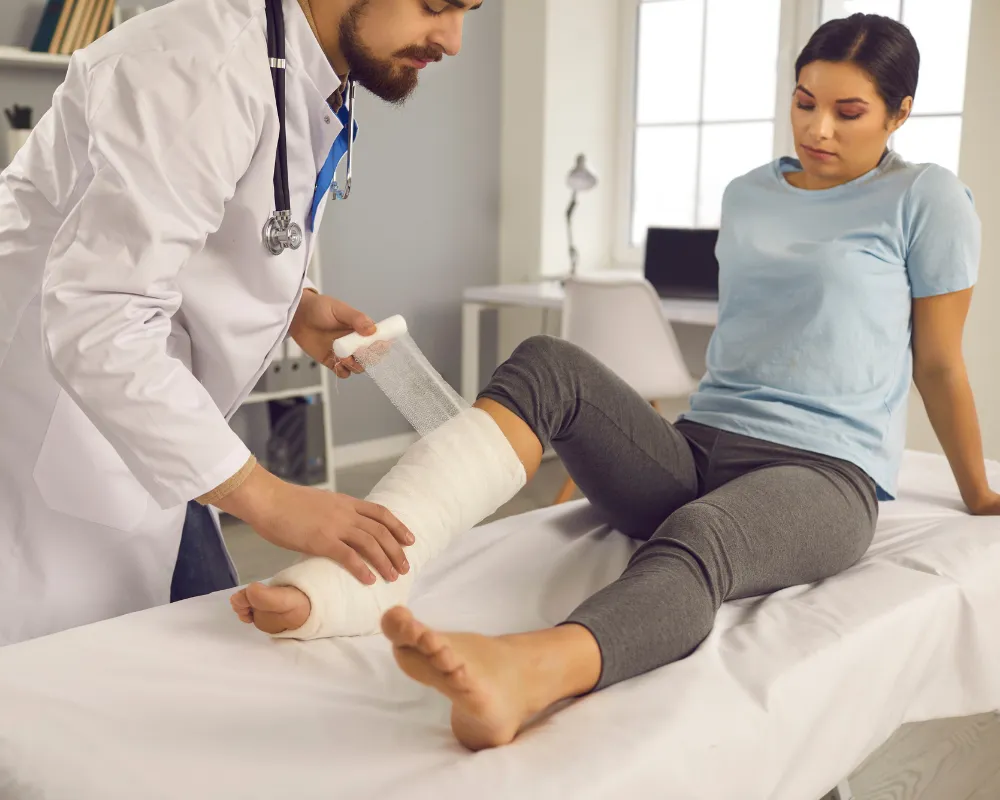
A fracture can happen because of a fall, road accident, sports injury, workplace incident or a direct impact. Depending on the location and severity of the injury, a broken bone may cause pain, swelling, bruising, difficulty moving the affected area or an inability to put weight on the injured limb. Priya Ortho Clinic, Chennai provides orthopaedic evaluation and fracture treatment for different types of bone injuries. The appropriate treatment depends on factors such as the affected bone, fracture pattern, displacement, soft-tissue involvement, age, general health and functional requirements. Early orthopaedic assessment helps determine the nature of the fracture and whether it can be managed with immobilisation and follow-up care or requires a surgical procedure.
A fracture is a partial or complete break in a bone. Fractures can range from small cracks to injuries where the bone fragments have moved out of their normal position. The treatment approach is not the same for every fracture. Some injuries can heal with appropriate immobilisation, while others may require the bone to be repositioned or stabilised surgically.
A simple or closed fracture occurs when the broken bone does not create an open wound through the skin. Treatment depends on the location and stability of the fracture.
Some fractures involve multiple bone fragments, significant displacement or damage to surrounding tissues. These injuries require careful assessment and treatment planning.
Fractures can affect the shoulder, arm, elbow, forearm, wrist or hand. Treatment aims to restore bone alignment and support the return of useful movement.
Injuries involving the thigh, knee region, leg, ankle or foot can affect walking and weight-bearing. Appropriate fracture management helps support bone healing and functional recovery.
A fracture extending into a joint may affect joint movement and stability. These injuries require careful evaluation to determine the most suitable management.
High-impact activities and sports can result in fractures involving different parts of the body. Treatment is planned according to the injury and the individual's functional needs.
Fracture healing varies from person to person. The recovery period depends on the bone involved, fracture pattern, severity, treatment method, age, overall health and other factors. During recovery, following medical instructions is important. Depending on the injury, this may include protecting the affected area, attending follow-up appointments, gradually increasing activity and completing recommended rehabilitation. Returning to strenuous activity too early may interfere with recovery, so activity progression should follow the treating doctor's advice.