Persistent knee pain can gradually make everyday activities difficult. Walking, climbing stairs, standing for long periods, getting up from a chair and even sleeping can become uncomfortable when the knee joint is severely damaged. Priya Ortho Clinic, Chennai provides orthopaedic consultation and treatment for patients with advanced knee joint problems. When significant joint damage causes ongoing pain and restricted movement and other treatment options are no longer sufficient, total knee joint replacement may be considered. Total knee replacement involves replacing the damaged surfaces of the knee joint with artificial components. The aim is to reduce pain, improve joint function and support better mobility. The decision to undergo knee replacement is based on the severity of joint damage, symptoms, functional limitations, general health and response to other treatments.
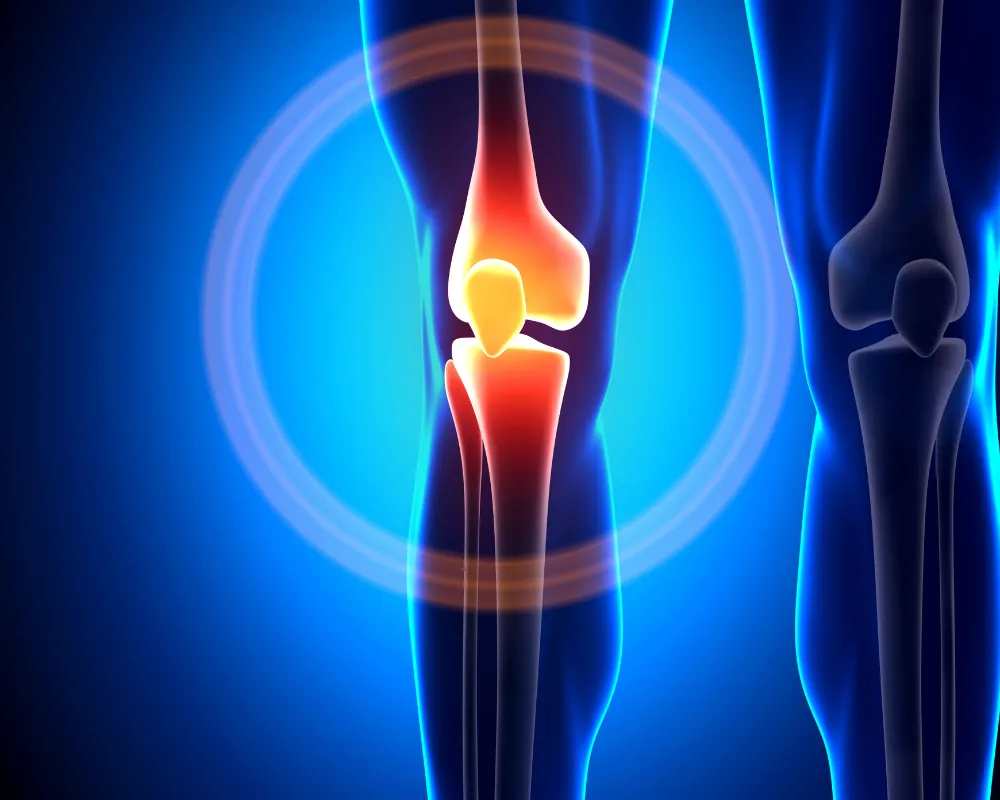
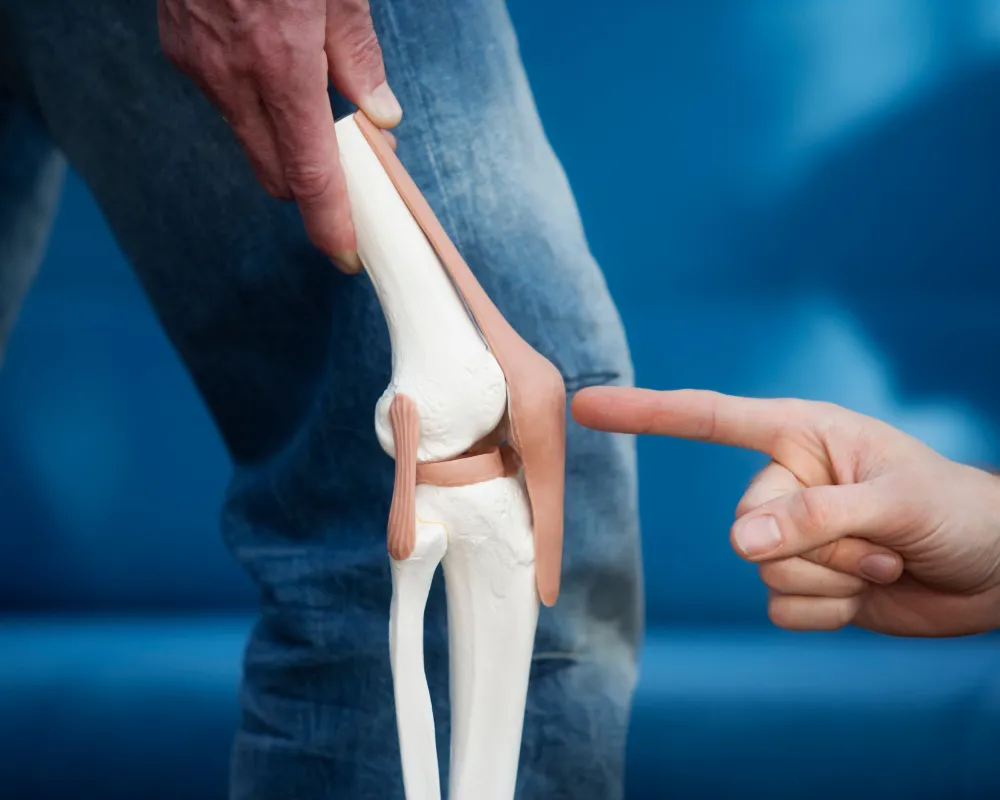
The knee is a complex joint where the thigh bone, shin bone and kneecap work together to allow bending and straightening of the leg. When the protective surfaces of the joint become severely damaged, the bones can rub against each other, resulting in pain, stiffness and reduced movement. During total knee replacement surgery, the damaged joint surfaces are removed and replaced with suitable artificial components. This creates a new joint surface that allows the knee to move more comfortably.
The patient's symptoms, medical history, activity level and knee function are evaluated. Imaging and other investigations may be recommended when necessary.
The orthopaedic team evaluates the extent of joint damage and determines whether knee replacement is appropriate.
During surgery, the damaged portions of the knee joint are carefully prepared and removed as required.
Suitable artificial components are positioned to replace the damaged joint surfaces and restore the functional movement of the knee.
Following surgery, rehabilitation focuses on gradually improving knee movement, muscle strength, walking ability and overall function.
Knee replacement may be considered when advanced knee joint damage causes persistent symptoms and significantly affects everyday activities. Common reasons include: