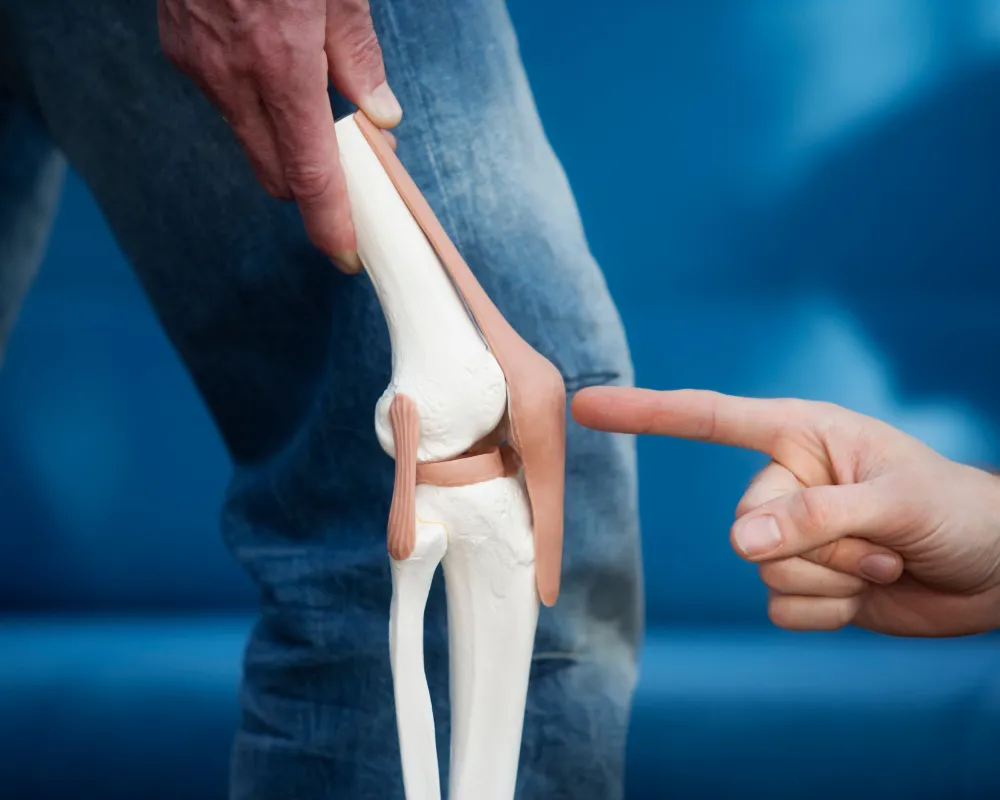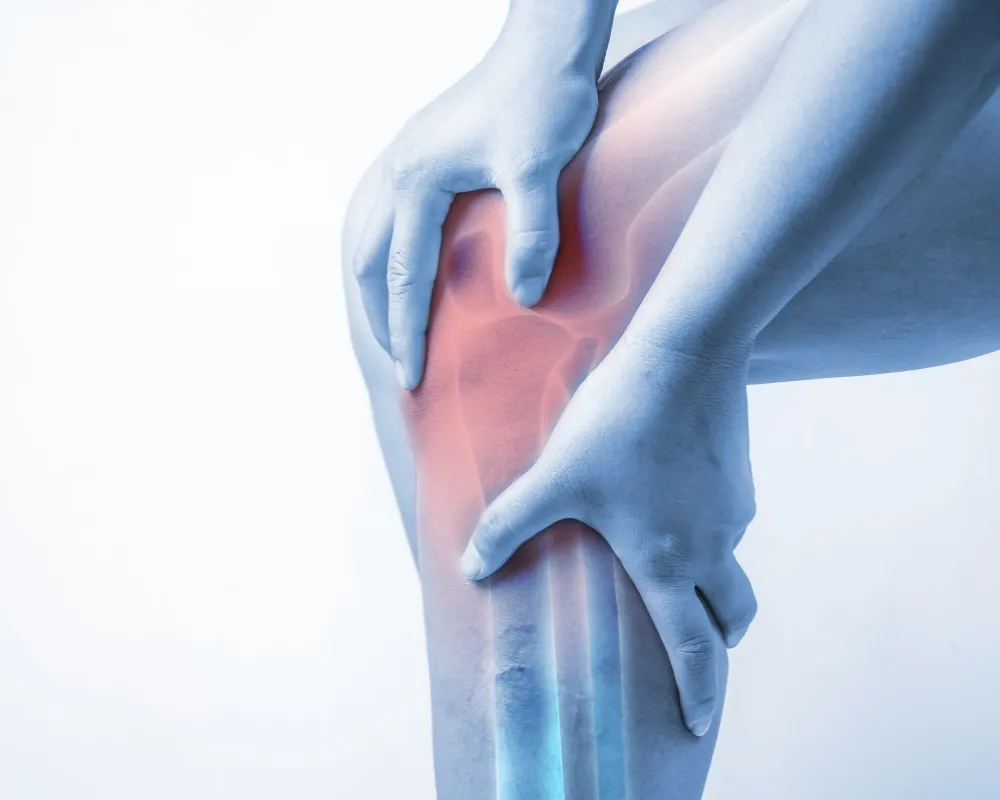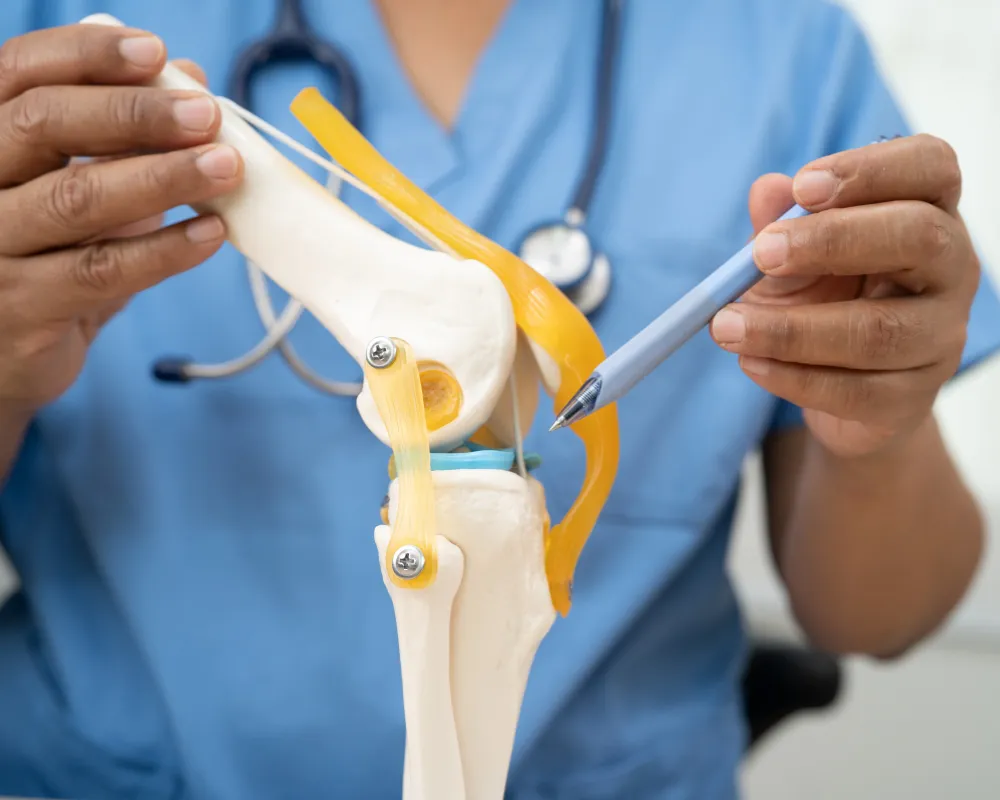
Knee pain can affect everyday activities such as walking, climbing stairs, standing for long periods, exercising, or getting up from a chair. It may develop gradually because of age-related joint changes or appear suddenly after a sports injury, fall, twisting movement, or excessive physical activity. Identifying the actual cause of knee pain is important before deciding on a suitable treatment approach.
Priya Ortho Clinic provides comprehensive knee pain treatment in Pammal with a focus on accurate assessment, condition-specific treatment, rehabilitation, and restoration of functional movement. Depending on the diagnosis and severity of the condition, treatment may include conservative care, physiotherapy, medication prescribed by a doctor, injections, minimally invasive procedures, or knee replacement surgery when clinically appropriate.
A proper evaluation is the foundation of effective knee pain treatment. During an assessment, the symptoms, duration of pain, previous injuries, physical activity, work-related demands, and difficulties experienced during daily activities may be reviewed. The knee can also be examined for swelling, tenderness, stiffness, movement limitations, instability, and changes in functional movement.
Depending on the suspected condition, diagnostic imaging or other investigations may be recommended. These assessments can help identify problems involving the bones, cartilage, ligaments, meniscus, tendons, or other structures surrounding the knee.
A diagnosis-based treatment plan helps determine whether the condition can be managed conservatively or whether an advanced procedure needs to be considered.
Knee pain can result from several different conditions affecting the joint, cartilage, ligaments, tendons, muscles, or surrounding tissues. Some problems develop slowly over time, while others occur because of an injury or sudden increase in physical activity. Understanding the underlying cause is essential for selecting an appropriate treatment plan.
Osteoarthritis is associated with gradual changes in the protective cartilage and other structures within the knee joint. Patients may experience pain, stiffness, swelling, reduced movement, or difficulty with activities such as walking and climbing stairs. Depending on the severity, treatment may include exercise-based rehabilitation, physiotherapy, activity modification, medication, injections, or surgery.
Ligament injuries can occur during sports, falls, sudden changes in direction, or twisting movements. Depending on the ligament involved and the extent of damage, treatment may involve rehabilitation, bracing, strengthening exercises, movement training, or ligament reconstruction in selected cases.
The meniscus helps distribute forces through the knee and contributes to joint stability. Meniscus injuries may occur after twisting movements or develop gradually with age-related changes. Pain, swelling, catching, or difficulty performing certain movements may occur. Treatment depends on the location and severity of the tear and the patient's functional requirements.
Pain around the kneecap can be associated with overuse, muscle weakness, altered movement patterns, or changes in kneecap tracking. Treatment may include strengthening of the supporting muscles, flexibility exercises, movement correction, and temporary modification of activities that aggravate symptoms.
Repetitive activities such as running, jumping, squatting, or prolonged physical work can place stress on the muscles and tendons around the knee. Rehabilitation may focus on controlling the load placed on the tissues, improving flexibility, strengthening supporting muscles, and gradually restoring normal activity.
Accidents, falls, and sports-related trauma can cause fractures and other serious injuries around the knee. Severe pain, significant swelling, inability to bear weight, visible deformity, or restricted movement following an injury should be evaluated promptly by an orthopaedic professional.
Many knee conditions can initially be managed without surgery when appropriate. Non-surgical treatment may include physiotherapy, therapeutic exercises, activity modification, medication prescribed according to the patient's condition, supportive devices, and other conservative measures. The treatment approach depends on the diagnosis and individual symptoms.
Physiotherapy can support recovery by improving knee movement, muscle strength, flexibility, balance, and functional control. A physiotherapy programme may include therapeutic exercises, mobility training, strengthening, and other rehabilitation techniques selected according to the patient's condition and progress.
The muscles around the hip and thigh play an important role in supporting knee movement. Appropriate strengthening exercises can help improve lower-limb function, while mobility exercises may help maintain or restore comfortable joint movement. Exercises should be introduced according to the patient's diagnosis, physical ability, and stage of recovery.
Activities that repeatedly increase knee pain may need to be temporarily modified during treatment. Reducing excessive impact while maintaining suitable movement can help support recovery. A gradual return to normal exercise, work, and sports activities can be planned as strength and function improve.
In selected cases, injection-based treatment may be considered as part of knee pain management. The type of injection and its suitability depend on the underlying condition, symptoms, examination findings, and individual treatment requirements. Injections are not suitable for every knee problem and should be considered after appropriate clinical evaluation.
Arthroscopic knee surgery is a minimally invasive procedure that uses small openings and a camera to examine and treat certain conditions inside the joint. Depending on the diagnosis, arthroscopy may be considered for selected meniscus, cartilage, or ligament-related problems. The need for surgery is determined after evaluating symptoms, imaging findings, previous treatment, and functional limitations.
Some major ligament injuries can result in continuing instability of the knee, particularly during sports and activities involving running or sudden direction changes. When appropriate conservative treatment does not provide adequate stability, ligament reconstruction may be considered. Structured rehabilitation is an important part of recovery before and after surgery.
Knee replacement may be considered when advanced joint damage causes persistent pain, stiffness, and difficulty performing everyday activities despite appropriate non-surgical treatment. The decision depends on the extent of joint damage, symptoms, functional limitations, examination findings, imaging, and the patient's overall health.
Total knee replacement involves replacing damaged surfaces of the knee joint with artificial components. It may be considered for advanced arthritis or severe degenerative joint damage that significantly affects mobility and quality of life. Rehabilitation following surgery focuses on restoring movement, strength, walking ability, and functional independence.
Partial knee replacement may be suitable for selected patients when damage is mainly limited to one compartment of the knee and the remaining joint structures are appropriate for this type of procedure. Detailed clinical and imaging assessment is required before deciding whether partial replacement is suitable.
Robotic-assisted technology may be incorporated into selected knee replacement procedures to assist with surgical planning and positioning of the replacement components. Whether this approach is appropriate depends on the patient's knee condition, anatomy, treatment requirements, and the surgeon's assessment.
Sports activities can place repeated stress on the knee through running, jumping, landing, twisting, and sudden changes in direction. Sports-related knee pain may involve ligaments, meniscus, tendons, muscles, or other joint structures. Treatment may include injury-specific rehabilitation, strengthening, movement correction, flexibility training, and a gradual return-to-sport programme.
Older adults may experience knee pain due to age-related joint changes, arthritis, previous injuries, muscle weakness, or reduced mobility. Treatment focuses on maintaining safe movement, improving lower-limb strength, managing symptoms, and supporting independence. When severe joint degeneration affects daily activities, surgical treatment may be discussed after appropriate assessment.
Rehabilitation plays an important role after knee surgery. Physiotherapy may focus on reducing swelling, restoring knee movement, improving muscle strength, retraining balance, and gradually returning to functional activities. The rehabilitation programme varies according to the type of surgery, individual recovery, and functional goals.
Knee pain that persists, repeatedly returns, or interferes with normal activities should be evaluated by an orthopaedic professional. Medical assessment is particularly important after an injury associated with significant swelling, instability, severe pain, restricted movement, or difficulty bearing weight. Early evaluation can help identify the underlying problem and determine an appropriate treatment approach.
Every knee condition does not require the same treatment. Age, activity level, occupation, previous injuries, medical history, physical examination, imaging findings, and personal functional goals can influence treatment decisions. A personalised approach helps determine whether conservative care, physiotherapy, injections, arthroscopic procedures, ligament surgery, or knee replacement should be considered.
Effective knee care involves understanding the cause of pain, managing symptoms, improving joint movement, restoring muscle strength, and supporting a safe return to daily activities. Depending on the condition, care may involve orthopaedic evaluation, physiotherapy, rehabilitation, minimally invasive procedures, or joint replacement. A structured treatment plan and appropriate follow-up can help patients work towards better knee function and mobility.
Faq’s
Orthopedic doctors treat bone, joint, muscle, ligament and spine conditions, including fractures, joint pain and sports injuries