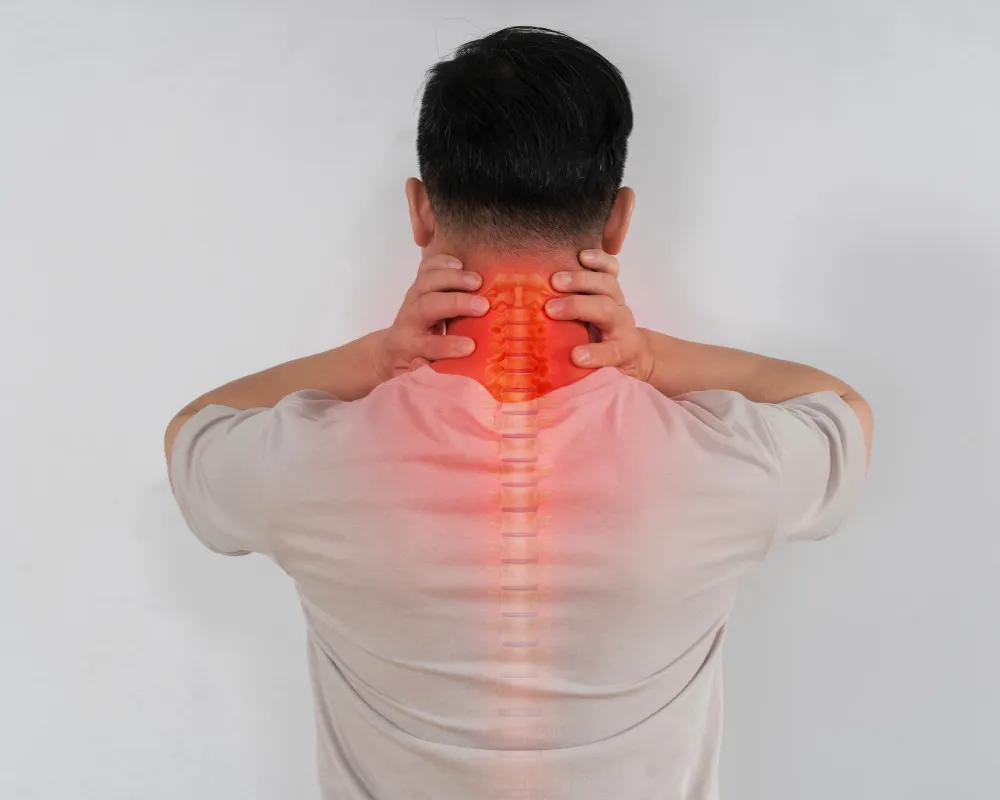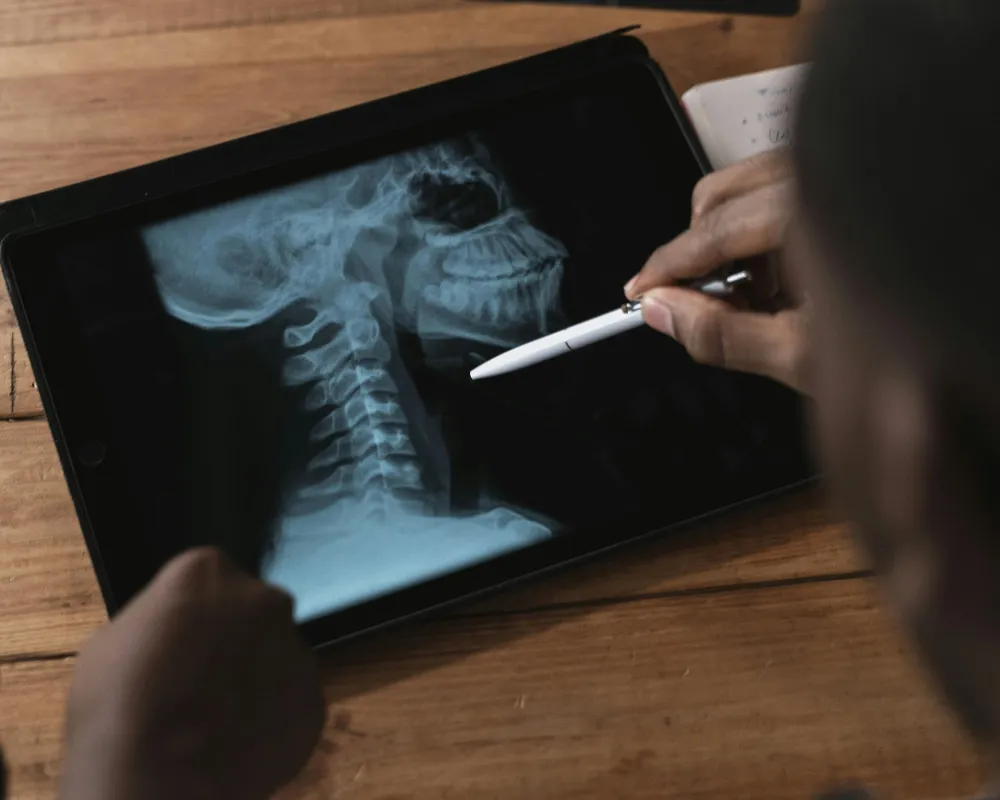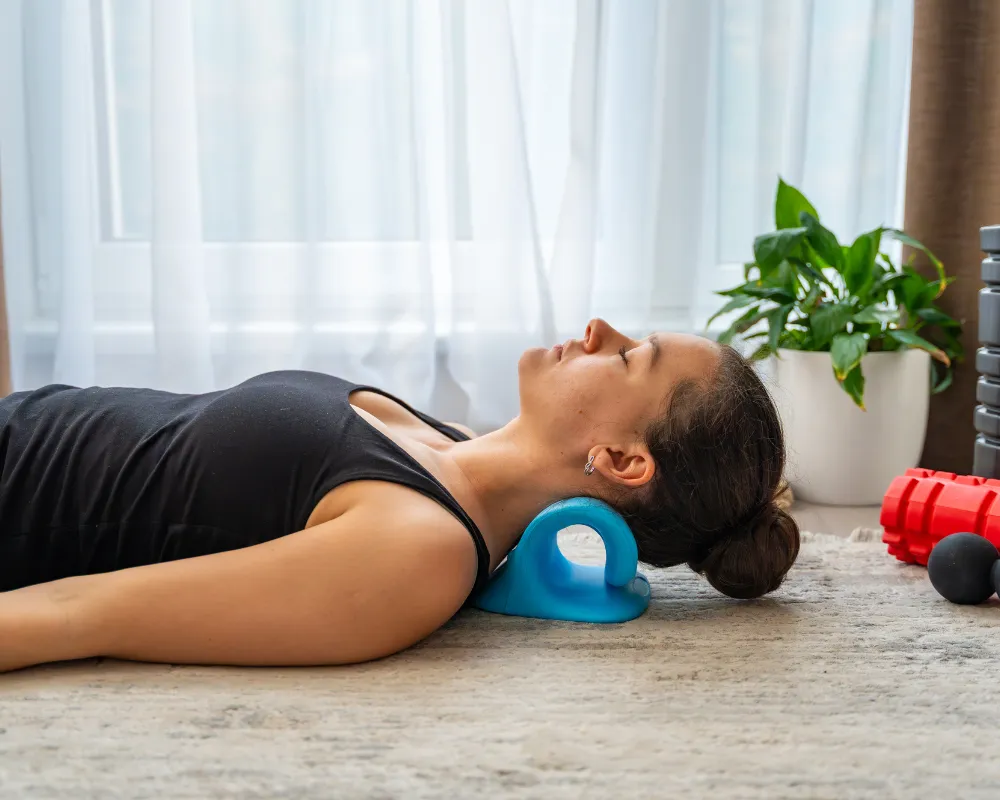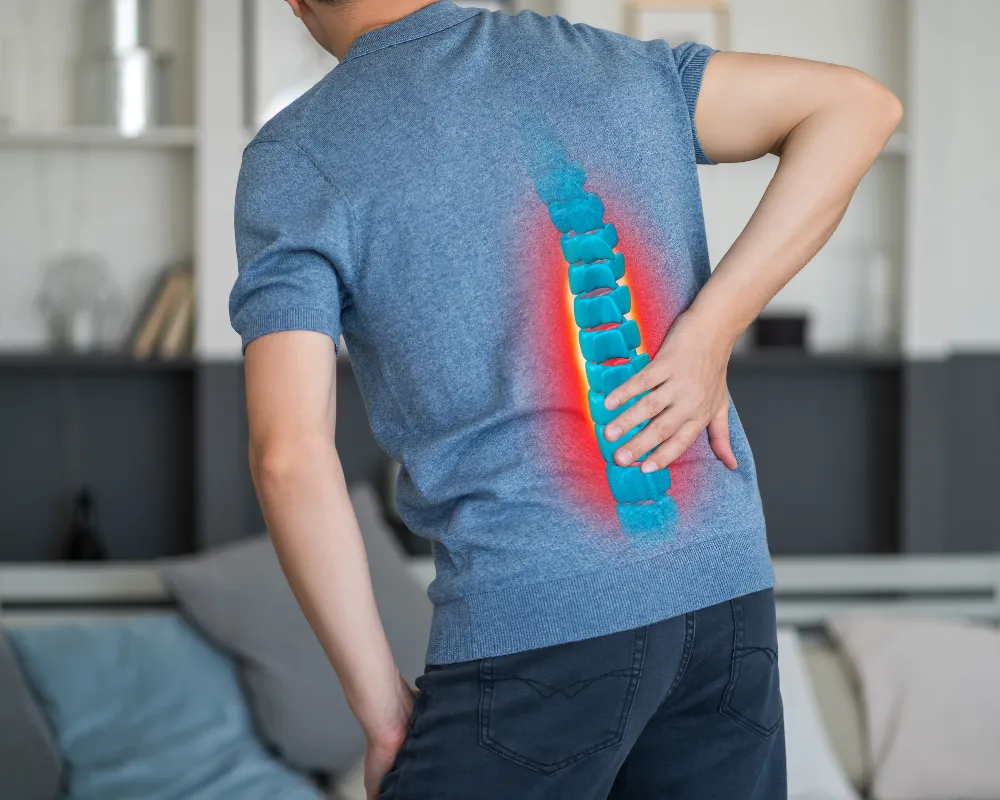
Neck and lower back problems are common concerns that can affect people of different age groups and lifestyles. Long hours of sitting, poor posture, repetitive movements, muscle strain, age-related changes in the spine, disc-related conditions, and certain injuries can contribute to persistent neck or lower back discomfort. When symptoms begin to interfere with daily activities, working, sleeping, walking, or exercising, appropriate assessment and treatment become important. Priya Ortho Clinic in Chennai provides evaluation and conservative treatment options for patients experiencing cervical and lumbar spine-related problems. Cervical and lumbar traction may be recommended as part of a personalised treatment programme when it is considered clinically appropriate. Traction is a therapeutic technique designed to apply a controlled and gentle pulling force to the spine. Depending on the condition being treated, traction may be used around the cervical region of the neck or the lumbar region of the lower back. The purpose is to help reduce mechanical stress on affected structures, improve comfort, and support functional recovery as part of a comprehensive treatment plan.
Make An AppointmentCervical and lumbar traction are non-invasive therapeutic techniques that involve applying a carefully controlled pulling force to the spine. Cervical traction focuses on the neck region and may be considered for selected conditions involving the cervical spine, muscles, joints, or nerves. Lumbar traction focuses on the lower back and may be considered for certain conditions affecting the lumbar spine, including problems associated with discs, joints, muscles, or nerve irritation. The type, duration, intensity, and position used during traction depend on the patient's symptoms, physical findings, medical history, and treatment goals. Traction should not be treated as a one-size-fits-all procedure. A qualified healthcare professional should determine whether it is appropriate for an individual patient.
Cervical traction is a treatment technique used to gently stretch and unload the structures around the neck. The cervical spine contains vertebrae, discs, joints, muscles, ligaments, and nerves that work together to support head movement and stability. When these structures become irritated or overloaded, a person may experience symptoms such as:
Following an appropriate clinical assessment, cervical traction may sometimes be incorporated into a broader treatment programme.
At Priya Ortho Clinic, Chennai, treatment is planned according to the patient's individual condition rather than using the same approach for every neck pain complaint.
Lumbar traction focuses on the lower portion of the spine. The lumbar region carries a significant amount of the body's load and is involved in everyday movements such as standing, sitting, bending, lifting, and walking. Lower back problems may develop due to muscle strain, prolonged sitting, poor movement patterns, disc-related conditions, degenerative changes, injuries, or other musculoskeletal causes. Depending on the diagnosis and clinical assessment, lumbar traction may be considered as one component of conservative treatment for selected patients.
Compound fractures and polytrauma require careful assessment and timely treatment. If you or a family member has sustained a serious orthopaedic injury, seek appropriate emergency medical care first and follow specialist advice for further treatment. For Compound & Polytrauma Treatment in Chennai, Priya Ortho Clinic provides orthopaedic evaluation, treatment guidance, follow-up, and rehabilitation support based on the individual injury.
Cervical or lumbar traction may be considered in selected cases involving:
Neck pain may result from prolonged computer use, poor posture, muscle strain, joint problems, or other cervical spine conditions. Appropriate assessment is important before deciding whether traction is suitable.
Changes affecting the cervical discs can sometimes contribute to neck pain and nerve-related symptoms. Depending on the clinical findings, traction may be considered as one component of conservative management.
Some cervical spine conditions may cause pain, tingling, numbness, or other symptoms extending from the neck towards the shoulder or arm. These symptoms require proper evaluation before treatment.
Lumbar traction may be considered for selected patients with mechanical lower back problems after identifying the likely cause of their symptoms.
Certain disc-related problems in the lumbar spine may cause back pain or symptoms extending into the buttock or leg. Treatment should be based on clinical assessment rather than symptoms alone.
Pain radiating from the lower back into the buttock or leg may have different causes. A healthcare professional should evaluate the symptoms before considering traction.
Some patients experience stiffness or reduced mobility around the neck or lower back. Depending on the underlying condition, traction may be included alongside mobility exercises and other rehabilitation techniques.
Before beginning traction, the patient's symptoms and medical history should be reviewed. The affected region, severity of symptoms, movement limitations, previous injuries, and other relevant factors may be considered. During treatment, the patient is positioned appropriately so that the targeted spinal region can be treated safely and comfortably. A controlled traction force is then applied to the cervical or lumbar region according to the treatment plan. The intensity and duration may vary depending on:
Patients should communicate any unusual pain, significant discomfort, dizziness, numbness, or other concerning symptoms during treatment.