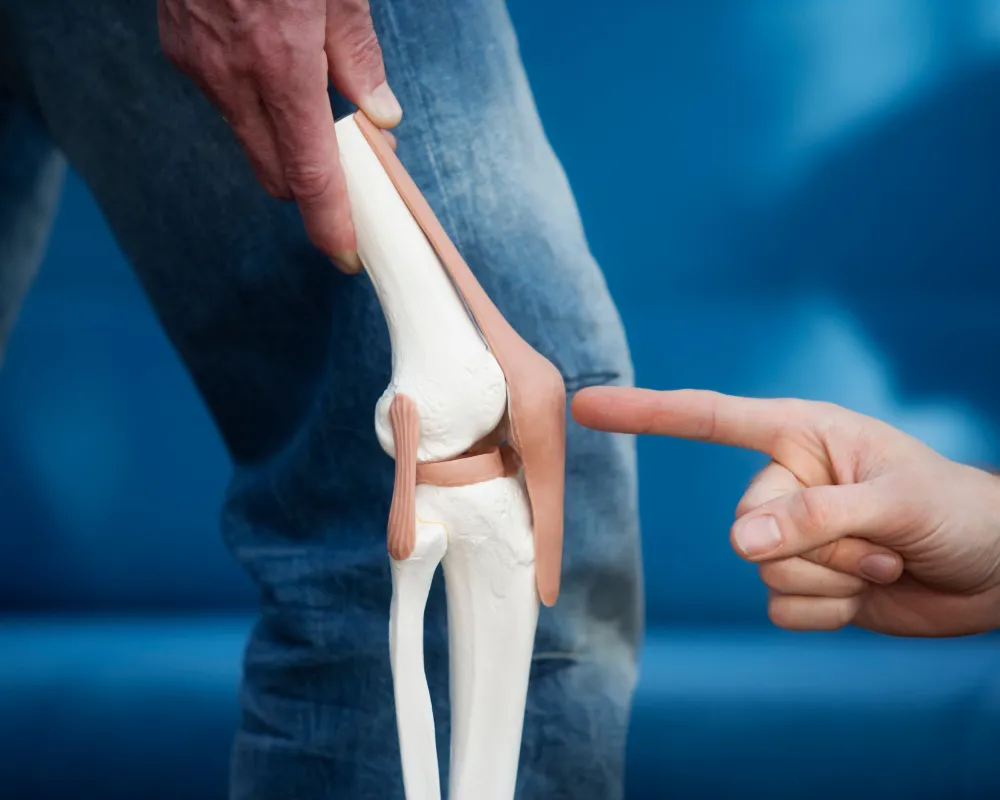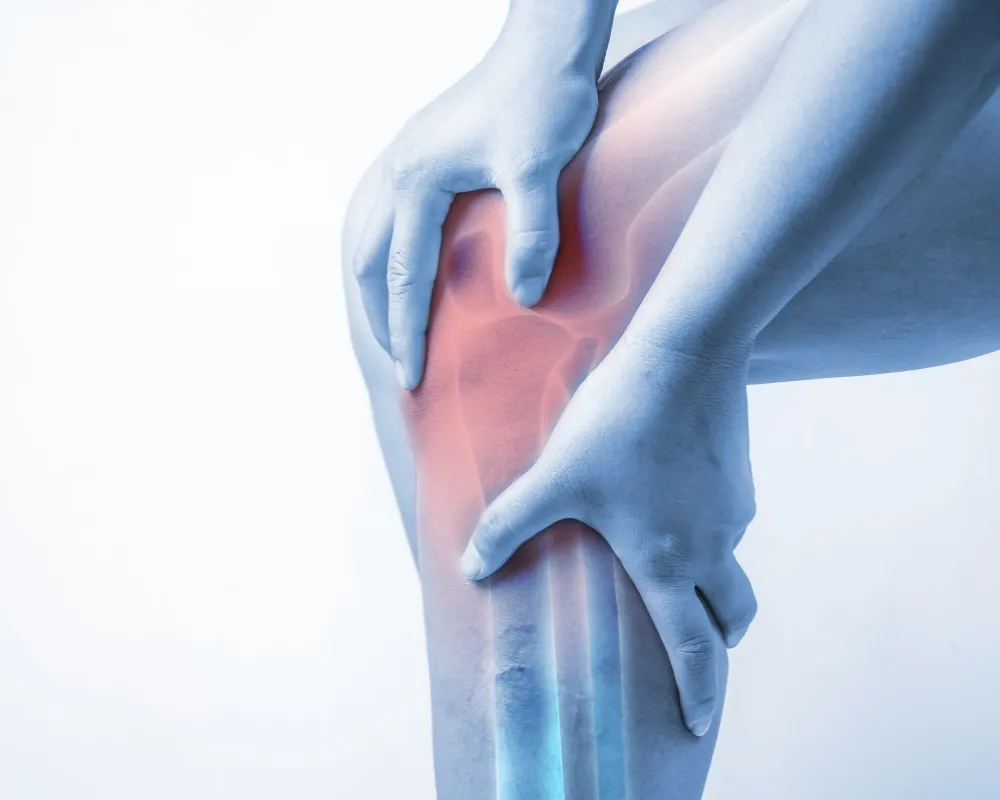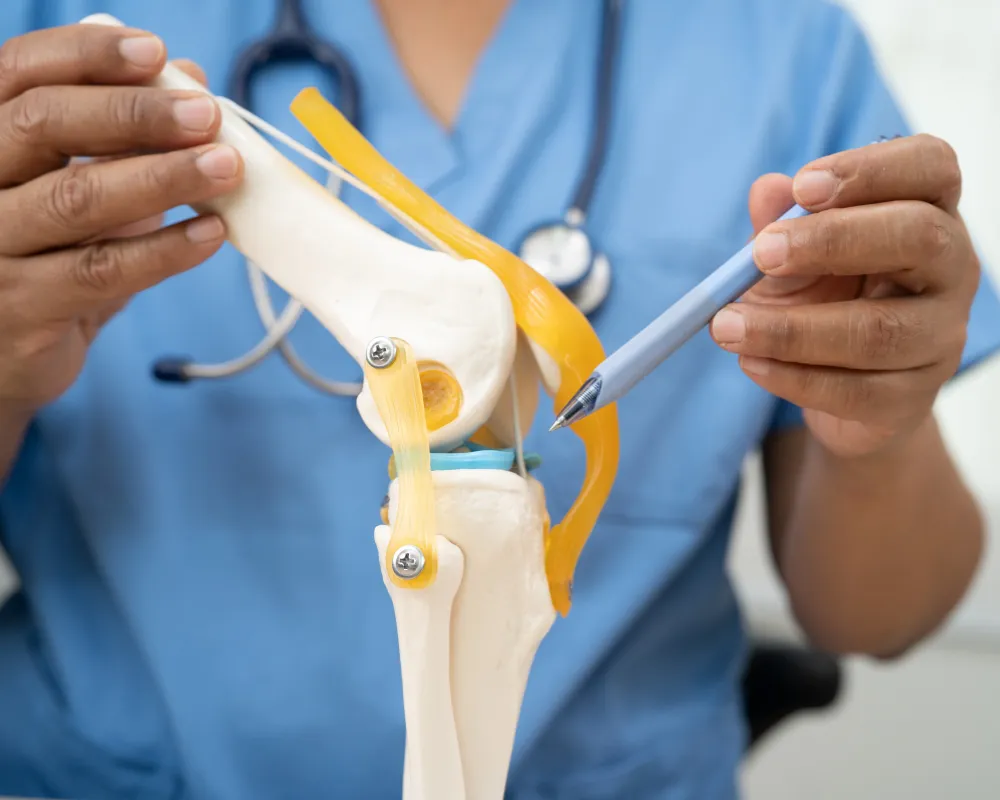
Knee pain can affect people of different ages and activity levels. It may develop gradually because of joint wear, arthritis or overuse, or it may occur suddenly following a sports injury, fall or other physical trauma. Knee pain can interfere with walking, climbing stairs, sitting, standing, exercising and performing routine activities.
At our clinic, knee pain treatment in Chennai focuses on identifying the underlying cause before deciding on an appropriate treatment approach. Depending on the condition, treatment may include activity modification, medication, physiotherapy, therapeutic exercises, supportive measures, injections or surgical procedures. A personalised treatment plan helps address the patient’s symptoms, mobility requirements and long-term joint function.
Accurate diagnosis is an important part of knee pain treatment. Knee discomfort can have several causes, and similar symptoms may occur with different knee conditions. A clinical assessment helps understand the location of pain, duration of symptoms, movement limitations and any history of injury or previous treatment.
Depending on the symptoms and clinical findings, further investigations such as X-rays or other imaging studies may be recommended. The information gathered during evaluation helps determine whether conservative treatment, rehabilitation or a surgical option may be appropriate.
Knee pain may result from an injury, joint degeneration, inflammation, muscle weakness or repetitive stress. Understanding the underlying cause is important because treatment can vary considerably between different knee conditions.
Knee osteoarthritis is associated with gradual changes in the joint and may cause pain, stiffness and difficulty with movement. Symptoms can become more noticeable during activities such as walking, climbing stairs or standing for extended periods. Treatment may include exercise-based rehabilitation, activity modification, medication and other options depending on the severity of the condition.
Ligament injuries can occur during sports, sudden twisting movements or physical trauma. Depending on the ligament involved and the severity of the injury, symptoms may include pain, swelling, instability and difficulty bearing weight. Treatment can range from rehabilitation and supportive care to surgical ligament reconstruction in selected cases.
The meniscus helps distribute load within the knee joint. A tear may occur following a twisting injury or as a result of degenerative changes. Patients may experience pain, swelling, clicking or difficulty moving the knee. Treatment depends on the location and extent of the tear, age, activity level and other clinical factors.
Pain around or behind the kneecap may become noticeable while climbing stairs, squatting, running or sitting for long periods. Physiotherapy, muscle strengthening and movement correction may be considered after identifying the contributing factors.
Repetitive physical activity can place stress on the muscles and tendons around the knee. Tendon-related problems may cause pain during specific movements or physical activities. Rehabilitation can focus on appropriate activity modification, flexibility and progressive strengthening.
Falls, accidents and sports injuries can cause fractures or damage to structures around the knee. Treatment depends on the type and severity of the injury and may involve immobilisation, rehabilitation or surgical intervention when required.
Many knee conditions can initially be managed without surgery depending on the underlying diagnosis. Non-surgical treatment may include activity modification, prescribed medication, physiotherapy, strengthening exercises, weight management strategies and supportive devices where appropriate. The treatment plan should be based on the individual’s symptoms and clinical findings.
Physiotherapy can play an important role in knee rehabilitation. Exercises may focus on improving knee mobility, strengthening the quadriceps and other supporting muscles, developing balance and improving functional movement. A physiotherapist can gradually progress exercises according to the patient’s condition and physical capacity.
Muscle weakness around the knee and hip can affect movement and physical function. A structured exercise programme can help improve muscle strength, flexibility and movement control. Exercises should be selected according to the underlying knee problem and performed with appropriate guidance.
Certain activities may temporarily increase knee symptoms, particularly during an acute injury or period of inflammation. Modifying activities and gradually returning to normal movement can be part of conservative treatment. The appropriate level of activity depends on the specific condition and stage of recovery.
In selected knee conditions, injection-based treatments may be considered as part of a broader treatment plan. The suitability of an injection depends on the diagnosis, severity of symptoms and the individual’s overall health. A specialist assessment is important before choosing this type of treatment.
Arthroscopy is a minimally invasive surgical technique used for selected knee conditions. During the procedure, a small camera is introduced into the joint through a small incision to examine and treat certain internal knee problems. Arthroscopic treatment may be considered for specific meniscus, cartilage or other structural conditions when appropriate.
Some significant ligament injuries, particularly in active individuals, may require surgical reconstruction. The decision depends on factors such as the type of ligament injury, knee instability, activity requirements and response to non-surgical treatment. Rehabilitation is an important part of recovery following ligament surgery.
Knee replacement may be considered when advanced joint damage causes persistent pain and significant difficulty with everyday activities and other treatment options are no longer providing adequate relief. The procedure involves replacing damaged joint surfaces with artificial components. The decision to undergo knee replacement should follow a detailed orthopedic assessment.
Total knee replacement is a surgical procedure used for severe damage affecting the knee joint. It may be considered for selected patients with advanced arthritis or other significant joint conditions. Post-operative physiotherapy and rehabilitation are important for gradually restoring mobility, strength and functional movement.
Partial knee replacement may be considered when damage is limited to a specific compartment of the knee and the remaining parts of the joint are suitable. Patient selection depends on the location and extent of joint damage, knee stability and other clinical factors.
Robotic-assisted technology may be used during selected knee replacement procedures to support surgical planning and component positioning. Whether robotic-assisted surgery is appropriate depends on the patient’s diagnosis, anatomy and treatment requirements.
Athletes and physically active individuals may develop knee problems due to sudden injuries, repetitive stress or changes in training intensity. Treatment can include rest or activity modification during the initial stage, followed by mobility exercises, strengthening, balance training and sport-specific rehabilitation. A gradual return to activity helps ensure that the knee can tolerate increasing physical demands.
Age-related changes in the knee may be associated with stiffness, reduced strength and difficulty performing everyday activities. Treatment may focus on maintaining joint mobility, strengthening supporting muscles and improving functional ability. For advanced joint damage, surgical options such as knee replacement may be discussed following appropriate evaluation.
Rehabilitation is an important component of recovery after knee surgery. Physiotherapy may include exercises to restore range of motion, strengthen muscles, improve balance and gradually return to functional activities. The rehabilitation programme depends on the type of surgery and the patient’s recovery progress.
A medical evaluation may be appropriate when knee pain continues to interfere with walking, climbing stairs, exercising, sleeping or routine activities. Persistent swelling, repeated episodes of instability, restricted movement or pain following an injury may also require professional assessment. Early evaluation can help identify the cause and determine suitable treatment options.
Knee pain does not have one universal treatment because the underlying causes can be different. Treatment planning considers factors such as the patient’s age, symptoms, activity level, previous injuries, joint condition and functional requirements. Based on the diagnosis, treatment may range from rehabilitation and conservative care to procedures or surgery when clinically indicated.
Our approach to knee pain treatment in Chennai focuses on accurate assessment, appropriate treatment selection and rehabilitation support. Whether knee pain is related to arthritis, sports injury, ligament problems, meniscus damage, kneecap conditions or advanced joint degeneration, the treatment plan can be developed according to the individual’s condition and functional goals.
Faq’s
Orthopedic doctors treat bone, joint, muscle, ligament and spine conditions, including fractures, joint pain and sports injuries