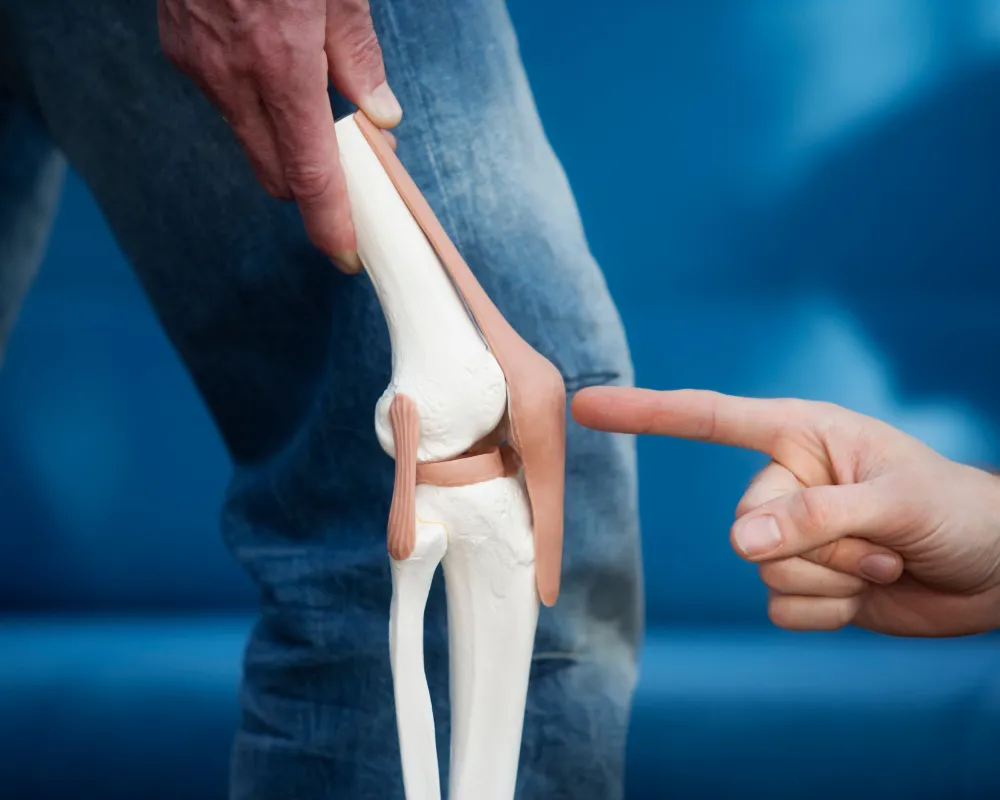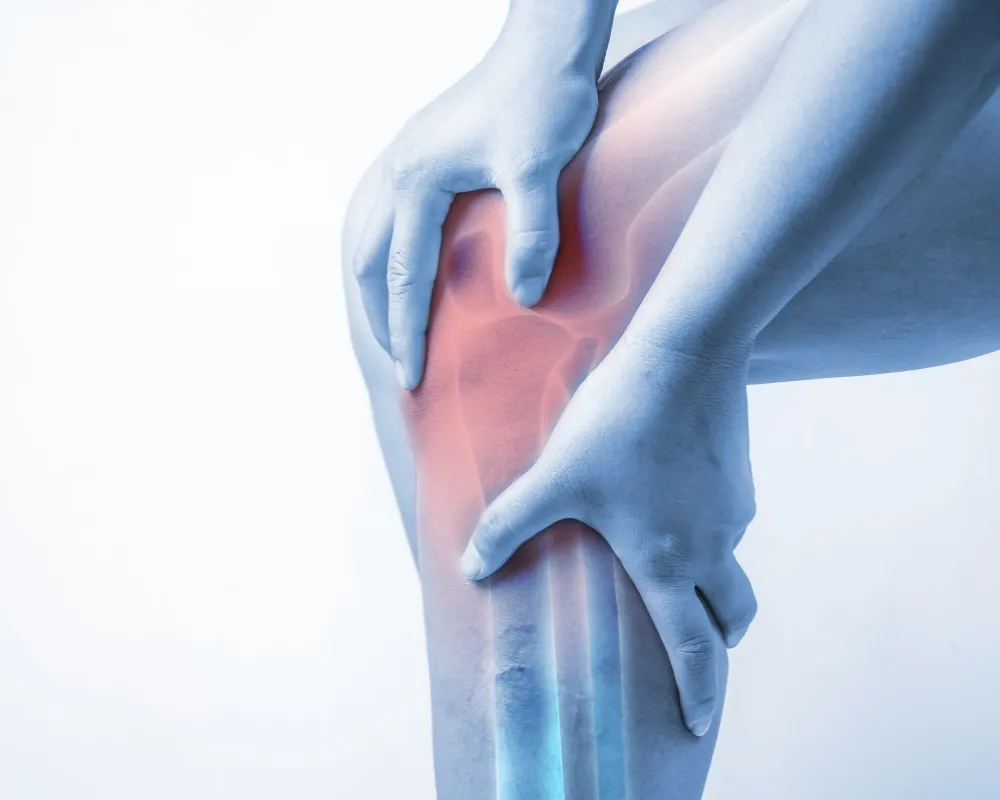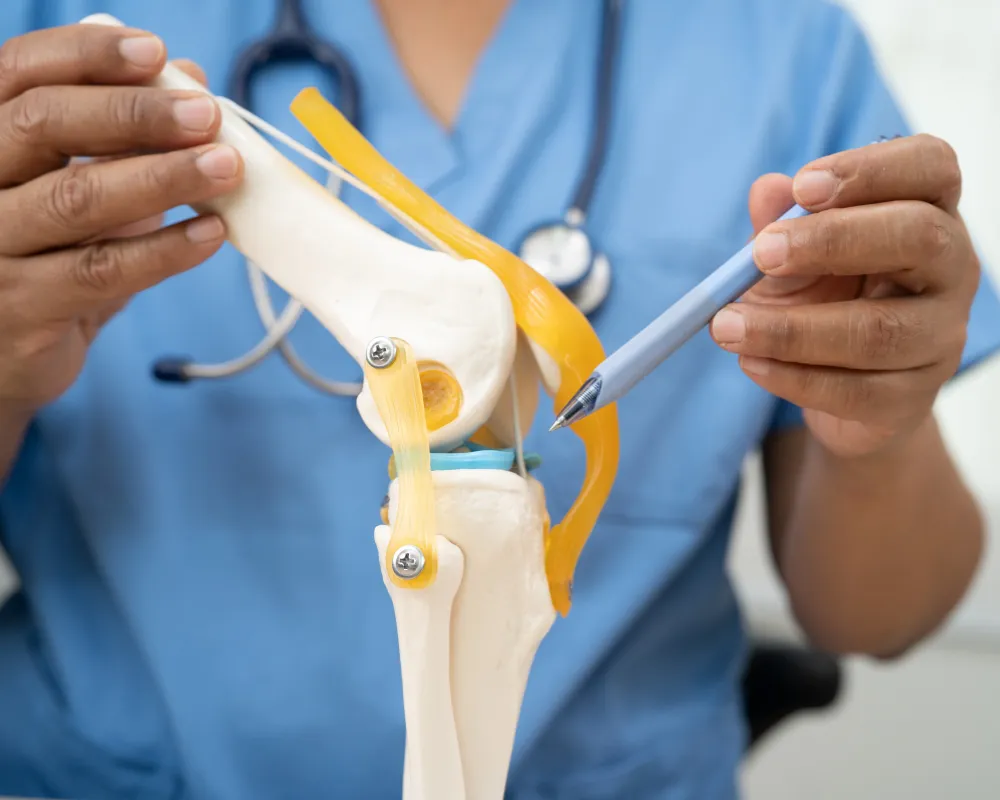
Knee pain can affect walking, climbing stairs, getting up from a chair, exercising and many other everyday movements. At Priya Ortho Clinic, knee pain treatment in Urapakkam focuses on identifying the underlying cause of knee discomfort and developing a treatment approach based on the patient's symptoms, physical condition and functional requirements. Knee pain may develop because of arthritis, sports injuries, ligament problems, meniscus tears, tendon conditions, previous trauma or gradual changes within the knee joint.
A detailed orthopaedic evaluation can help determine the source of knee pain and the extent to which it affects movement and daily activities. Depending on the diagnosis, treatment may include conservative care, physiotherapy, therapeutic exercises, activity modification, injection-based treatment or surgical management when clinically appropriate.
Identifying the reason behind knee pain is an important step before starting treatment. During an orthopaedic evaluation, factors such as the location of pain, duration of symptoms, previous injuries, physical activity and difficulty with movement may be assessed. The knee can also be examined for swelling, tenderness, stiffness, instability and restricted range of motion.
Depending on the clinical findings, imaging or other diagnostic investigations may be recommended. Understanding whether the problem involves the joint surfaces, cartilage, ligaments, meniscus, tendons or surrounding muscles helps in selecting an appropriate treatment plan.
Knee pain can develop gradually due to changes within the joint or appear suddenly after an injury. Different structures of the knee, including cartilage, ligaments, meniscus, muscles and tendons, can contribute to pain and movement difficulties. Identifying the specific cause helps guide suitable treatment and rehabilitation.
Arthritis can cause knee pain, stiffness and reduced mobility. Osteoarthritis is commonly associated with gradual changes in the joint and may become more noticeable while walking, climbing stairs, standing for long periods or performing other weight-bearing activities. Treatment depends on the severity of joint changes and their effect on daily function.
Ligaments provide stability to the knee during movement. Injuries involving the ACL, PCL, MCL or other supporting ligaments may occur during sports, falls or sudden twisting movements. Depending on the extent of the injury and resulting instability, treatment may involve rehabilitation or surgical evaluation.
The meniscus helps distribute forces within the knee and supports smooth joint movement. A meniscus tear may cause pain, swelling, clicking, catching or difficulty fully bending and straightening the knee. Treatment depends on the type and location of the tear, associated conditions and the patient's activity requirements.
Pain around or behind the kneecap can be associated with overuse, muscle weakness, altered movement patterns or changes in kneecap tracking. A clinical assessment can help identify contributing factors. Physiotherapy, strengthening and movement correction may be included when appropriate.
Repetitive activities, sports and sudden increases in physical activity can place additional stress on the muscles and tendons around the knee. Depending on the affected tissue, treatment may include activity modification, mobility exercises, strengthening and gradual rehabilitation.
Falls, accidents and sports-related trauma can affect the bones and soft tissues surrounding the knee. Severe pain, substantial swelling, deformity or difficulty bearing weight following an injury should be assessed promptly by a medical professional.
Many knee conditions can initially be managed without surgery. Depending on the diagnosis, conservative treatment may include physiotherapy, therapeutic exercises, activity modification, pain management and other supportive measures. The treatment programme can be adjusted according to symptoms, mobility and progress during recovery.
Physiotherapy can help improve knee movement, muscle strength and functional control. A rehabilitation programme may include strengthening exercises, flexibility training, balance exercises, mobility work and movement retraining. The programme should be selected according to the patient's condition and progressed gradually.
The muscles around the thigh, hip and knee contribute to joint support and movement control. Appropriate strengthening exercises may improve functional stability, while mobility exercises can help maintain comfortable knee movement. Exercise selection should take into account the underlying condition, symptoms and physical capacity.
Activities such as running, jumping, deep squatting and repeated stair climbing may increase symptoms in some knee conditions. Temporarily modifying activities that aggravate pain can reduce stress on the knee while strength, mobility and movement control are being improved.
Injection-based treatment may be considered for selected knee conditions following a clinical evaluation. The type of injection and its suitability depend on the diagnosis, severity of symptoms and individual medical factors. An orthopaedic specialist can determine whether this approach is appropriate as part of the overall treatment plan.
Arthroscopic knee surgery uses small incisions and a camera to examine and treat selected problems within the knee. It may be considered for certain meniscus injuries, cartilage problems and other specific knee conditions when surgical treatment is clinically appropriate. The decision depends on the diagnosis, symptoms, knee function and response to non-surgical care.
Some significant ligament injuries can result in persistent knee instability during walking, sports or other physical activities. When reconstruction is considered, factors such as the injured ligament, degree of instability, activity requirements and associated knee damage are evaluated. Rehabilitation following surgery is an important part of restoring strength, mobility and functional control.
Knee replacement may be considered when advanced joint damage causes persistent pain and significant limitations in everyday activities despite appropriate non-surgical treatment. The decision is based on symptoms, physical examination, imaging findings and the overall condition of the knee joint.
Total knee replacement involves replacing damaged surfaces of the knee joint with artificial components. It may be considered when advanced arthritis or extensive joint degeneration affects multiple areas of the knee and causes significant pain and functional difficulty.
Partial knee replacement may be considered when damage is limited to one compartment of the knee and the remaining parts of the joint are suitable. Factors such as the location of damage, ligament stability, alignment and overall knee condition are considered before selecting this treatment.
Robotic-assisted technology may be used to support planning and surgical execution during certain knee replacement procedures. Its suitability depends on the patient's knee condition, surgical requirements and the treating surgeon's clinical assessment.
Running, jumping, sudden turns and rapid changes in direction can place additional stress on the knee. Sports-related knee problems may include ligament injuries, meniscus tears, patellar conditions and tendon disorders. Treatment may combine symptom management, physiotherapy, strengthening, movement correction and a gradual return-to-sport rehabilitation programme.
Knee pain in older adults may be associated with arthritis, reduced muscle strength, previous injuries or changes in joint mobility. Treatment can focus on maintaining safe movement, improving functional strength and supporting independence during everyday activities. Exercise and rehabilitation programmes can be adjusted according to mobility, balance and overall physical condition.
Rehabilitation is an important part of recovery following knee surgery. Depending on the procedure, rehabilitation may include swelling management, gradual restoration of knee movement, muscle strengthening, balance training and functional exercises. Progression should be guided by the surgical procedure and the individual's recovery.
Persistent or recurring knee pain may require professional evaluation, particularly when it affects walking, exercise, sleep or routine activities. Medical assessment is also important after a significant injury or when symptoms such as swelling, instability, locking or restricted movement develop. Timely evaluation can help identify the underlying condition and guide an appropriate treatment plan.
Knee pain can have different causes and may affect each person differently. Age, activity level, previous injuries, muscle strength, joint condition and daily functional requirements can influence treatment decisions. At Priya Ortho Clinic, the treatment approach can be planned according to the patient's clinical assessment, diagnosis and rehabilitation requirements.
Knee care may involve several stages, beginning with accurate assessment and continuing through conservative treatment, physiotherapy, rehabilitation or surgical management when clinically indicated. Whether knee pain is related to arthritis, sports injury, overuse or another musculoskeletal condition, identifying the underlying cause is an important first step. A structured treatment and rehabilitation programme can support improved knee movement, strength and everyday function.
Faq’s
Orthopedic doctors treat bone, joint, muscle, ligament and spine conditions, including fractures, joint pain and sports injuries