Orthopedic problems can affect mobility, comfort, work, exercise, and everyday activities. Patients experiencing persistent joint pain, difficulty walking, stiffness, swelling, fractures, sports injuries, or spine-related discomfort may benefit from an orthopedic evaluation. Priya Ortho Clinic provides comprehensive orthopedic consultation and treatment options for patients from Old Perungalathur and surrounding areas.
Orthopedic conditions can involve the bones, joints, muscles, ligaments, tendons, cartilage, and spine. Because the cause and severity of pain can vary from one patient to another, treatment needs to be planned according to the individual condition. Priya Ortho Clinic focuses on evaluating the underlying orthopedic problem and selecting suitable treatment options based on the patient's symptoms, functional needs, and clinical condition.
Orthopedic care involves more than simply managing pain. Identifying the reason behind joint, bone, muscle, or spine symptoms is an important part of planning appropriate treatment. Depending on the condition, patients may require conservative management, rehabilitation, minimally invasive procedures, or orthopedic surgery.
At Priya Ortho Clinic, patients from Old Perungalathur can seek evaluation for a wide range of musculoskeletal conditions. Treatment planning takes into consideration the patient's symptoms, medical history, physical limitations, and the nature of the orthopedic problem.
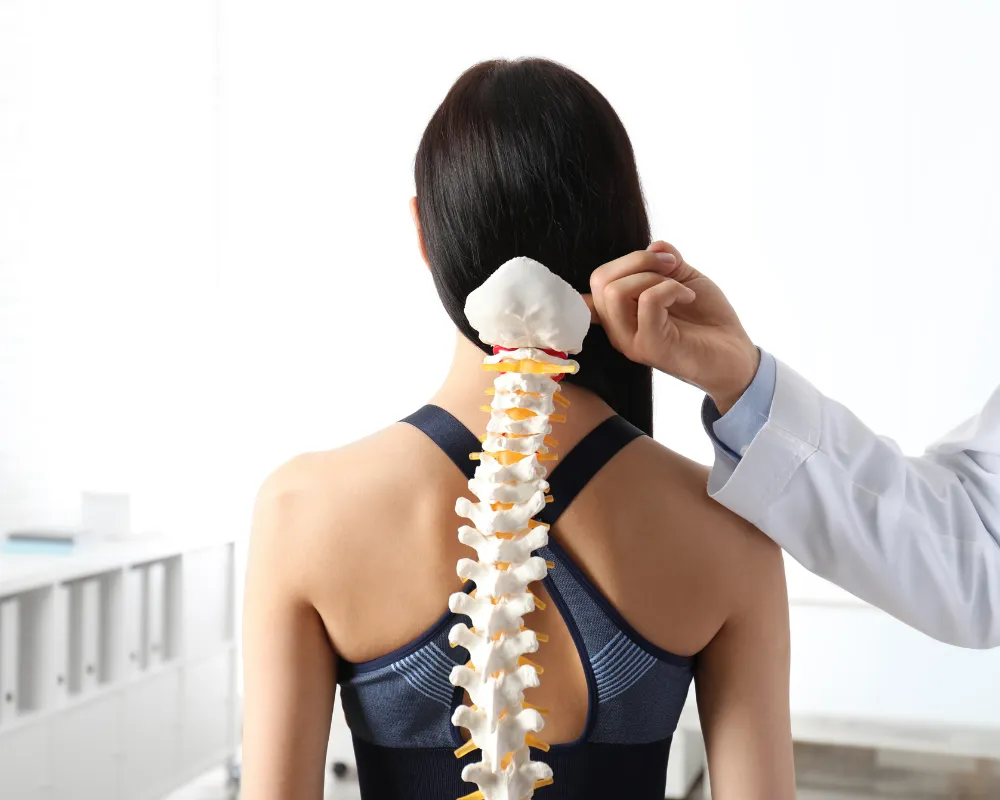
When looking for an orthopedic clinic in Old Perungalathur, patients may consider the range of conditions treated, the availability of appropriate orthopedic consultation, the treatment options offered, and whether the care plan is tailored to the individual. Orthopedic problems can range from minor injuries to complex joint and spine conditions, so proper assessment is important before deciding on treatment.
An orthopedic consultation can help evaluate symptoms such as persistent pain, swelling, stiffness, reduced joint movement, difficulty walking, weakness, or discomfort following an injury. During consultation, the orthopedic specialist can review the patient's symptoms and medical history and determine whether further investigations or specific treatment may be required.
Knee pain can develop due to arthritis, sports injuries, ligament problems, cartilage damage, overuse, or age-related changes. Symptoms may include pain while walking, climbing stairs, sitting, standing, or bending the knee. Orthopedic assessment helps determine the underlying cause of knee symptoms and guides treatment. Depending on the condition, treatment may include conservative care, rehabilitation, medication, injections, arthroscopic procedures, or knee replacement surgery when clinically appropriate.
Hip problems can make walking, standing, sitting, and other everyday movements uncomfortable. Hip pain may be associated with arthritis, joint degeneration, injuries, or other orthopedic conditions. When significant joint damage causes persistent symptoms and affects mobility, total hip replacement may be considered after detailed orthopedic evaluation. Treatment is planned according to the condition and individual requirements of the patient.
Shoulder pain may result from sports injuries, falls, tendon problems, rotator cuff conditions, stiffness, arthritis, or repetitive physical activity. Patients may experience pain while lifting the arm, reaching overhead, dressing, or performing routine tasks. Orthopedic evaluation can help identify the affected structures and determine whether conservative treatment, rehabilitation, or a procedure may be appropriate.
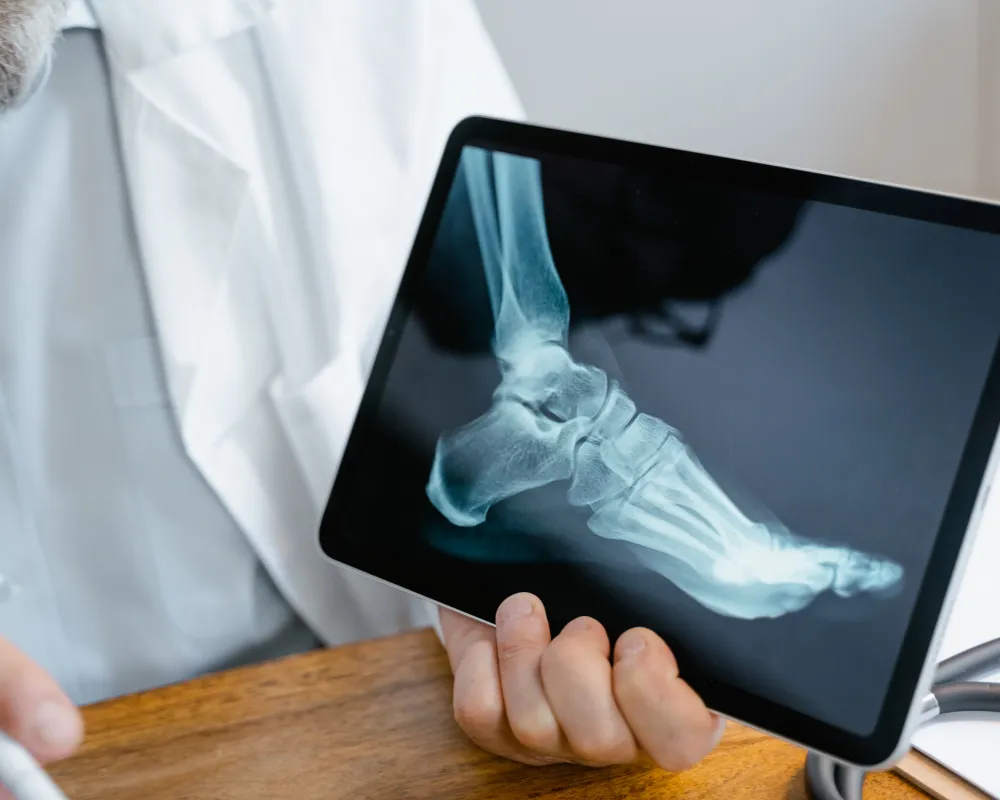
Fractures can occur following road accidents, falls, sports injuries, or direct trauma. Prompt orthopedic assessment is important to understand the location, type, and severity of a fracture. Depending on the injury, treatment may involve immobilisation, reduction, supportive care, or surgical fixation. Follow-up assessment can help monitor bone healing and recovery of movement.
Sports injuries may affect the knee, ankle, shoulder, elbow, hip, muscles, ligaments, and tendons. Sprains, ligament injuries, tendon problems, muscle strains, cartilage injuries, and sports-related fractures can interfere with training and physical activity. Orthopedic evaluation helps determine the extent of the injury and supports an appropriate recovery plan before returning to regular sports or exercise.
Arthritis can cause joint pain, stiffness, swelling, reduced movement, and difficulty performing daily activities. The knees, hips, shoulders, and other joints can be affected. Treatment depends on the type and severity of arthritis and may involve medication, activity modification, physiotherapy, injections, lifestyle guidance, or surgery for advanced joint damage. Regular orthopedic assessment can help monitor symptoms and joint function.
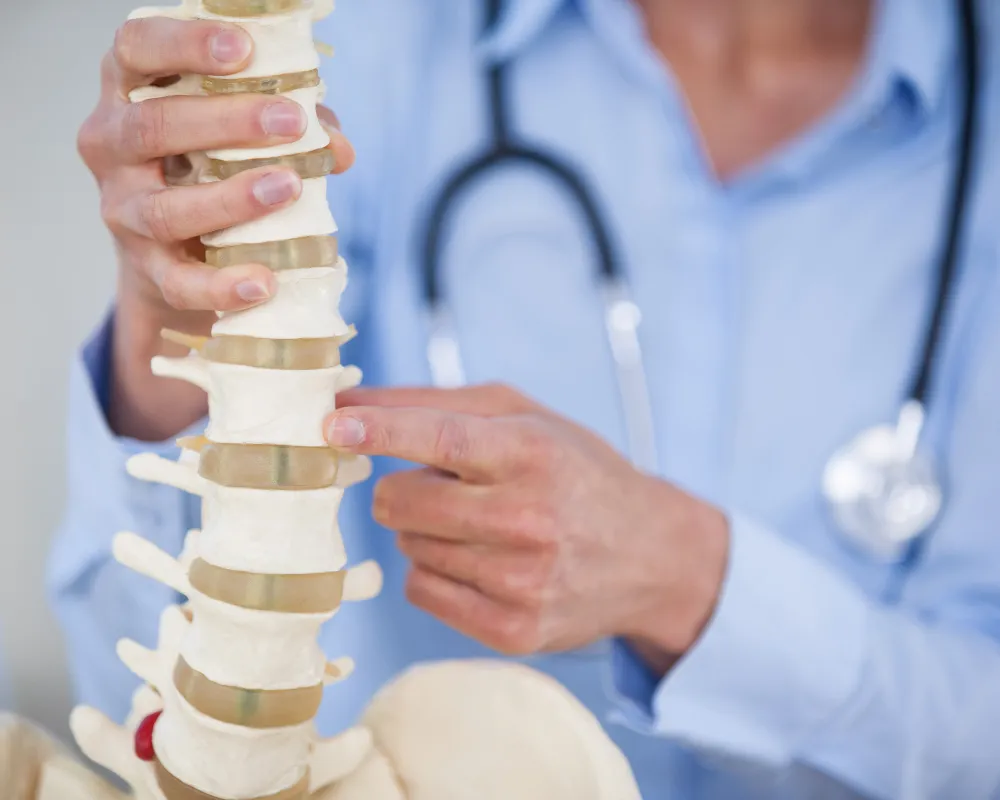
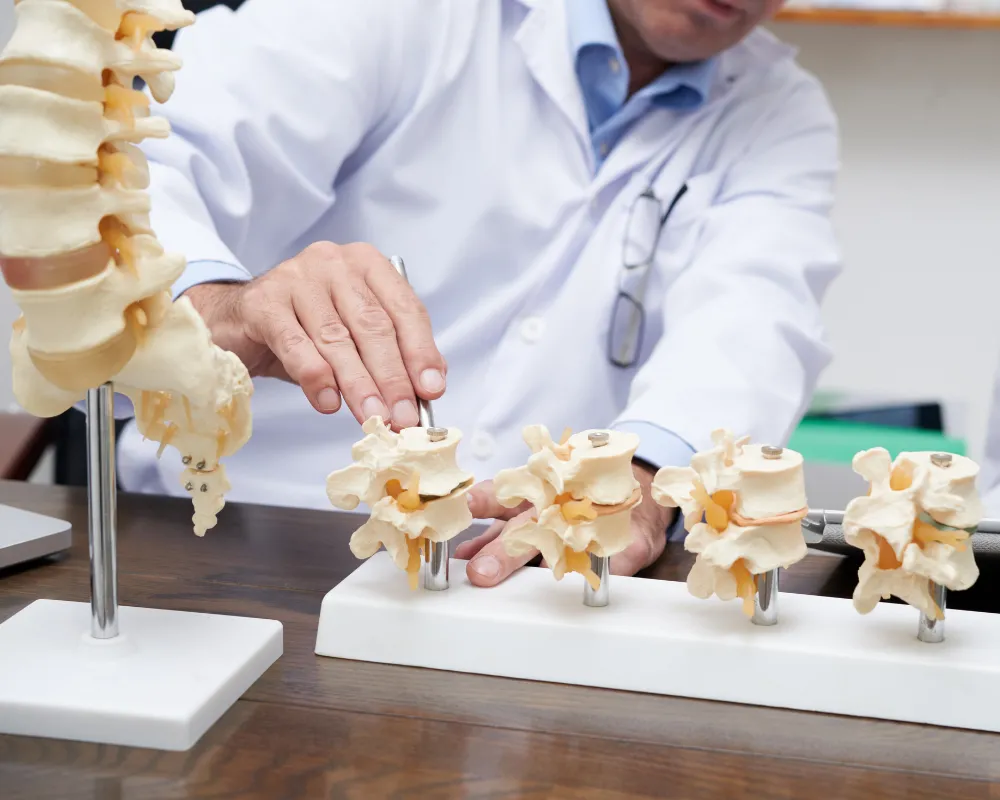
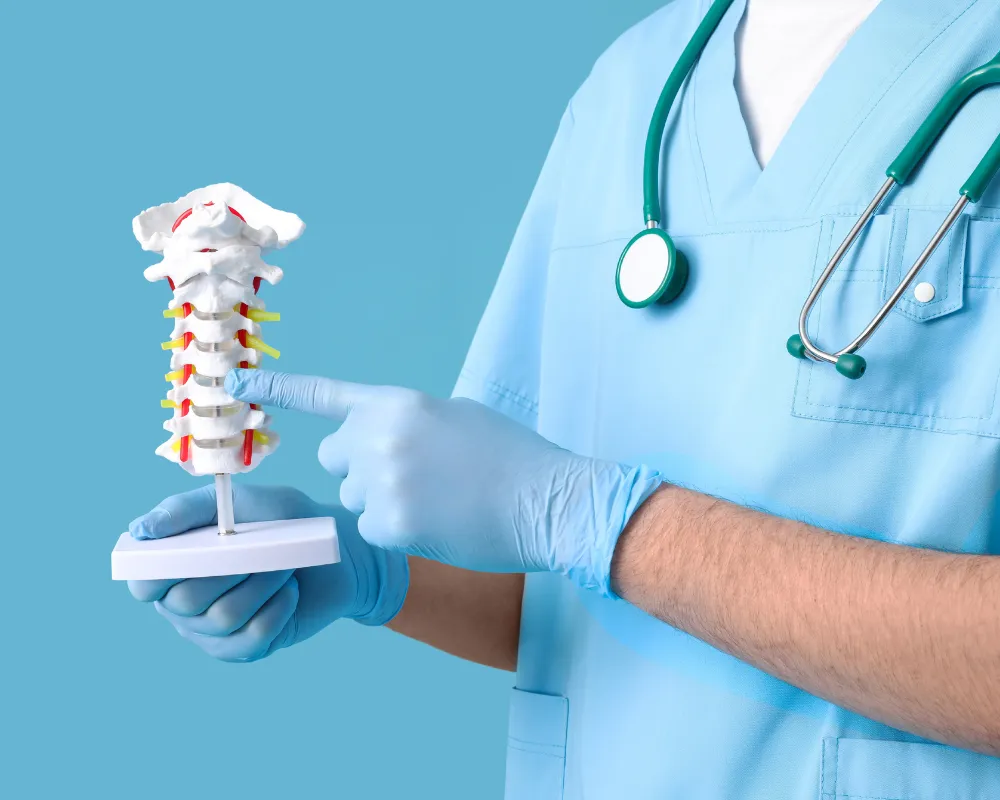
Back and neck problems can interfere with sleep, work, walking, sitting, and other daily activities. Spine-related conditions may involve the discs, vertebrae, nerves, or surrounding tissues. Cervical and lumbar disc problems can sometimes cause pain, stiffness, tingling, numbness, or discomfort extending into the arms or legs. Orthopedic evaluation can help identify the possible cause and determine an appropriate treatment approach.
Joint replacement surgery may be considered when severe joint damage leads to persistent pain and significant functional limitations. Knee and hip replacement procedures can be used for selected patients with advanced joint degeneration and other conditions affecting joint function. A detailed orthopedic assessment is important to determine whether joint replacement is suitable and which treatment approach may be appropriate.
Robotic-assisted technology can be incorporated into selected joint replacement procedures to assist with surgical planning and implant positioning. The suitability of robotic-assisted replacement depends on factors such as joint condition, anatomy, severity of damage, and surgical requirements. An orthopedic consultation helps determine the most appropriate procedure for the individual patient.
Arthroscopic keyhole surgery is a minimally invasive technique used to examine and treat certain problems inside a joint. It involves the use of a small camera and specialised instruments through small incisions. Depending on the diagnosis, arthroscopy may be considered for selected knee, shoulder, and other joint conditions involving cartilage, ligaments, tendons, or other internal structures.
Ligament and tendon injuries can occur due to sports activities, falls, sudden twisting movements, repetitive strain, or accidents. Such injuries may cause pain, swelling, weakness, restricted movement, or joint instability. Treatment depends on the location and severity of the injury and may include rest, support, rehabilitation, physiotherapy, or surgical treatment in selected cases.
Orthopedic trauma may involve fractures, dislocations, ligament injuries, and other musculoskeletal problems following accidents or falls. Early evaluation can help determine the extent of the injury and identify the appropriate treatment pathway. Priya Ortho Clinic provides orthopedic assessment for trauma-related conditions and supports patients through treatment and follow-up care.
Orthopedic treatment needs can vary considerably between patients. Age, activity level, previous injuries, severity of symptoms, medical history, and functional requirements can all influence treatment planning. Priya Ortho Clinic follows an individualised approach, with treatment options considered according to the patient's specific orthopedic condition and clinical requirements.
People involved in sports, fitness, exercise, physical work, or other demanding activities may experience injuries caused by repetitive stress or sudden movements. Proper orthopedic evaluation can identify the affected structures and help guide recovery. Treatment can be planned with consideration for the patient's activity requirements and the gradual return to normal physical activities.
An orthopedic consultation may be useful when joint or bone pain persists, movement becomes restricted, swelling repeatedly occurs, an injury does not improve, or everyday activities become difficult. Injuries following falls, road accidents, sports activities, or sudden twisting movements may also require timely orthopedic assessment. Early evaluation can help identify the underlying problem and establish an appropriate treatment plan.
Modern orthopedic care includes several treatment approaches, ranging from conservative management and rehabilitation to minimally invasive procedures and joint replacement surgery. The appropriate option depends on the diagnosis, severity of the condition, patient requirements, and response to previous treatment. At Priya Ortho Clinic, treatment options are considered according to the individual orthopedic condition.
Orthopedic conditions can affect people of different age groups. Children and young adults may experience activity-related injuries, while working adults may develop problems associated with physical strain, sports, accidents, or repetitive movements. Older adults may seek orthopedic care for arthritis, joint degeneration, fractures, and mobility-related problems. Treatment planning can be adapted according to the patient's age, condition, lifestyle, and functional needs.
For patients searching for the best orthopedic clinic in Old Perungalathur, Priya Ortho Clinic provides orthopedic consultation and treatment options for a wide range of musculoskeletal conditions. The clinic's orthopedic services cover joint pain, fractures, sports injuries, arthritis, ligament and tendon problems, spine and disc conditions, arthroscopic procedures, and joint replacement-related care.
If you are looking for the best orthopedic clinic in Old Perungalathur for knee pain, hip problems, shoulder conditions, fractures, sports injuries, arthritis, spine and disc problems, ligament injuries, or joint replacement, Priya Ortho Clinic provides comprehensive orthopedic care with treatment options planned according to individual patient needs.
Faq’s
Orthopedic doctors treat bone, joint, muscle, ligament and spine conditions, including fractures, joint pain and sports injuries