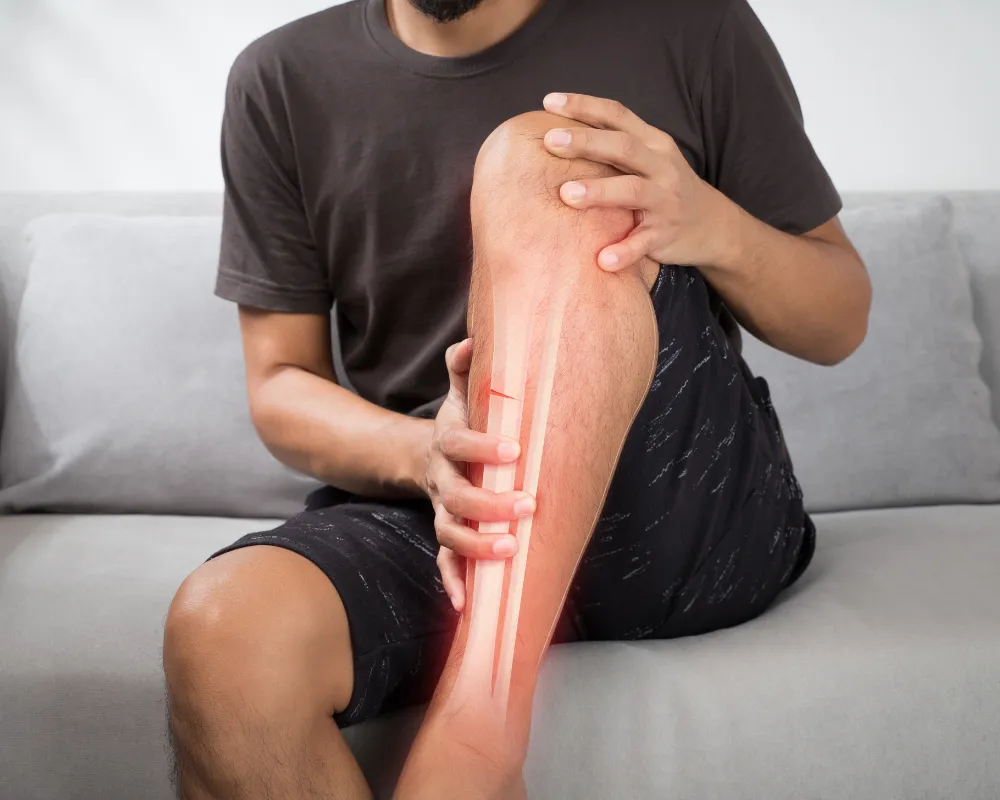
Compound fractures and polytrauma are complex injuries that require urgent medical attention and carefully planned orthopedic care. A compound fracture, also called an open fracture, occurs when a broken bone is associated with an open wound, creating a risk of infection and injury to nearby muscles, nerves, blood vessels, and other soft tissues. Polytrauma refers to multiple serious injuries that may affect several parts of the body, including bones, joints, the spine, and internal organs. At Priya Ortho Clinic, patients from Urapakkam can seek orthopedic assessment and follow-up guidance for fracture-related conditions after receiving appropriate emergency treatment. Suspected open fractures or multiple serious injuries require immediate emergency hospital care, particularly if there is heavy bleeding or a possible head, chest, abdominal, or spinal injury.
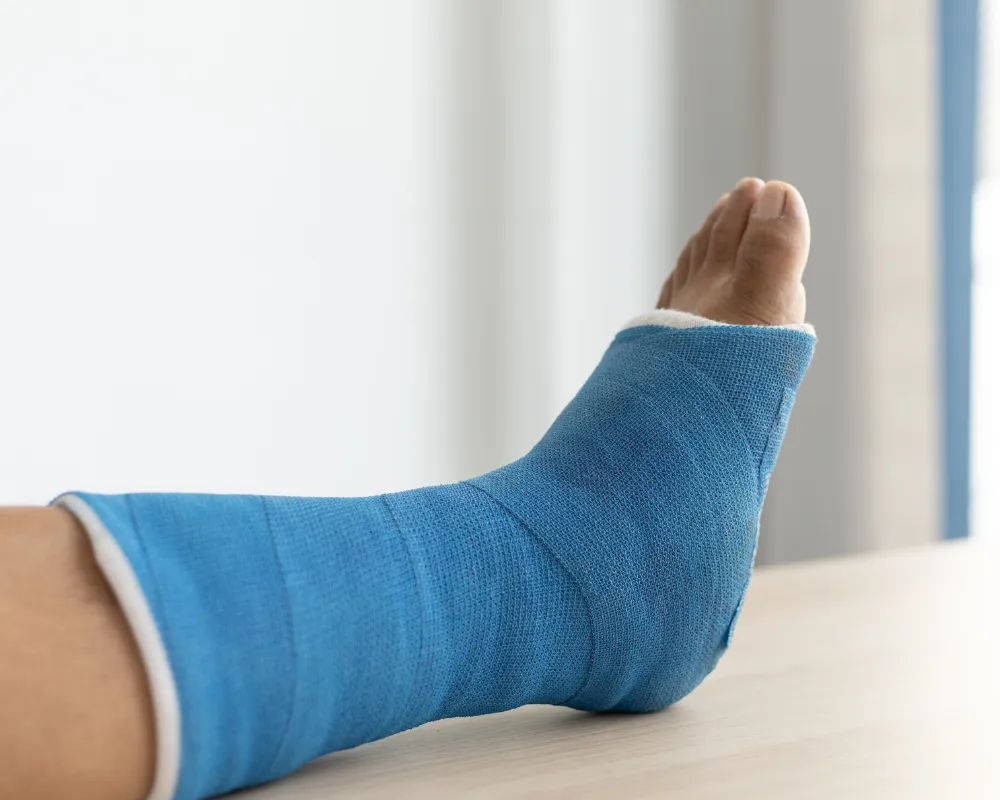
Make An AppointmentCompound fractures may occur in the arms, legs, wrists, ankles, or other bones following road accidents, falls, or high-impact incidents. Treatment is determined by the fracture pattern, wound condition, degree of contamination, and extent of damage to the surrounding tissues. Emergency hospital management may include wound cleaning, infection prevention, fracture alignment, and stabilization. Depending on the injury, surgical treatment may involve plates, screws, intramedullary nails, or external fixation. Patients from Urapakkam who have undergone emergency treatment can receive guidance on orthopedic follow-up, bone healing, and rehabilitation needs. Prompt emergency assessment is essential whenever a fracture is associated with an open wound.
Polytrauma can result from road traffic accidents, falls from heights, workplace incidents, and other major accidents. Injuries may include multiple fractures along with damage to the pelvis, spine, head, chest, or internal organs. The first priority in hospital care is to stabilize the patient, support breathing and circulation, control bleeding, and manage life-threatening injuries. Once the patient is medically stable, the treating team evaluates the fractures and determines the appropriate treatment plan. Depending on the clinical condition, orthopedic management may include temporary stabilization, surgical fixation, soft-tissue care, and a structured rehabilitation approach. Patients from Urapakkam recovering after major trauma may need ongoing monitoring of mobility, bone healing, and joint function.
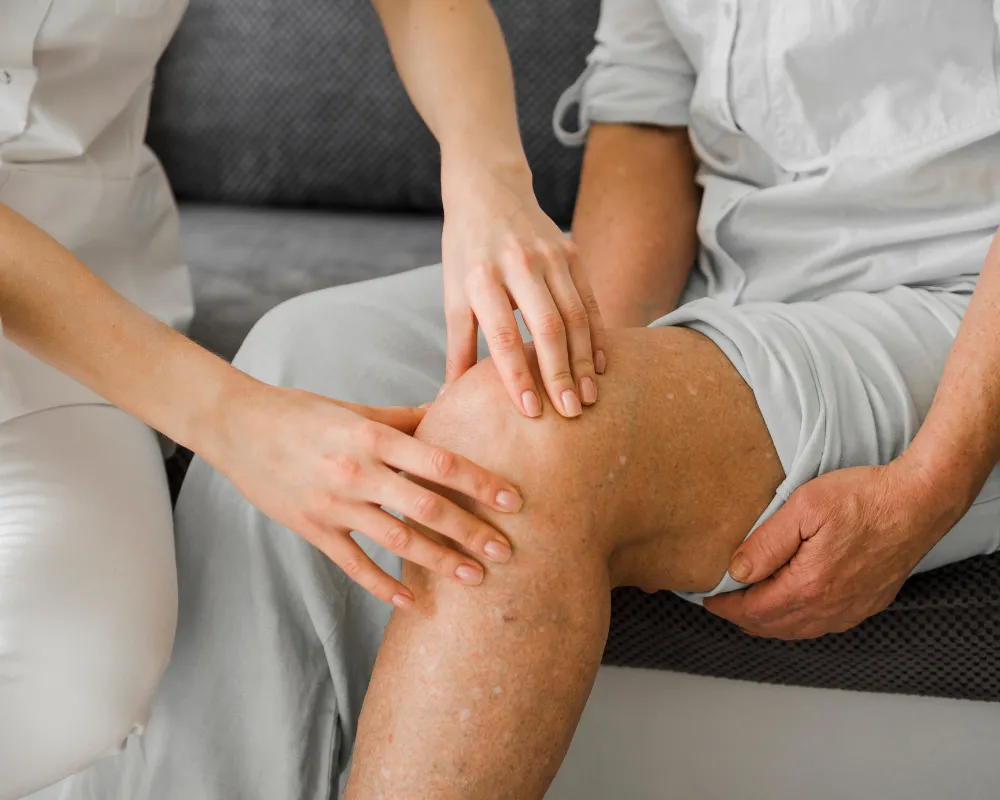
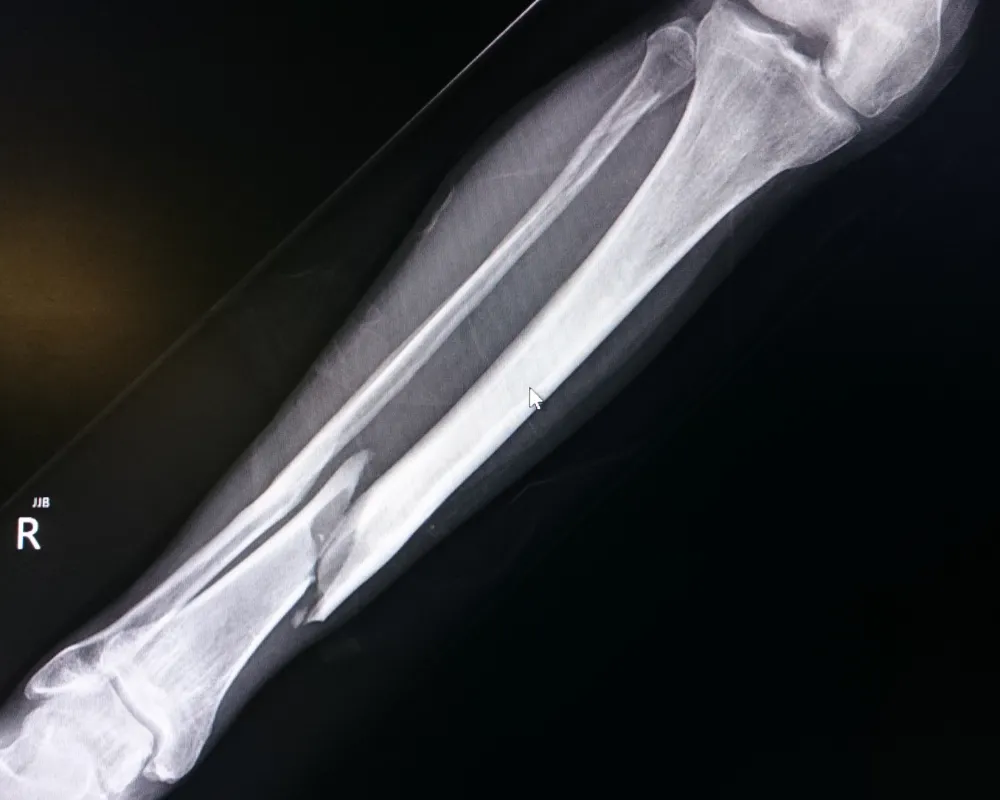
Careful evaluation helps identify the severity of fractures and determine the most appropriate course of treatment. Assessment may involve a physical examination, circulation and nerve function checks, X-rays, CT scans, and other investigations based on the suspected injuries. The treatment plan depends on the location and stability of the fracture, soft-tissue damage, associated injuries, previous procedures, and overall health. At Priya Ortho Clinic, patients from Urapakkam can seek orthopedic advice for ongoing fracture-related concerns following emergency care. Regular follow-up helps the treating professional assess healing progress and provide recommendations suited to the patient's condition.
Recovery from compound fractures and polytrauma varies depending on the extent of the injuries, treatment performed, bone healing, and the patient's general health. Rehabilitation may involve scheduled orthopedic reviews, follow-up imaging, wound monitoring, prescribed exercises, physiotherapy, and gradual improvement in mobility when medically appropriate. Patients from Urapakkam may benefit from an individualized recovery plan focused on restoring strength, flexibility, balance, and everyday function. Following medical instructions and attending recommended appointments are important for monitoring recovery and identifying potential complications. Exercise, weight-bearing, and returning to normal activities should be guided by the treating medical team according to the patient's progress.