Joint pain can affect the knees, hips, shoulders, elbows, wrists, ankles and other parts of the musculoskeletal system. Pain may develop gradually because of arthritis and joint degeneration or occur suddenly following an injury, repetitive activity or physical strain. At Priya Ortho Clinic, joint pain treatment in Hasthinapuram focuses on identifying the underlying cause of symptoms and planning appropriate care according to the patient's condition, movement limitations and daily functional needs.
Joint-related problems may cause pain, stiffness, swelling, reduced range of motion or difficulty performing routine activities. A detailed orthopaedic evaluation can help determine whether the symptoms are associated with arthritis, cartilage problems, ligament injuries, tendon conditions, previous trauma or another musculoskeletal issue. Depending on the diagnosis, treatment may include conservative management, physiotherapy, medication, injections, arthroscopic procedures or joint replacement when clinically appropriate.
Understanding the reason for joint pain is an important first step in selecting suitable treatment. During an orthopaedic consultation, the affected joint may be examined for tenderness, swelling, stiffness, instability and restricted movement. The duration of symptoms, previous injuries, physical activity, occupation and effect of pain on everyday activities may also be considered.
When necessary, imaging and other diagnostic investigations can provide additional information about the bones, cartilage, ligaments and surrounding tissues. A diagnosis-based approach helps determine whether the condition can be managed with non-surgical care, rehabilitation or whether a procedure may need to be considered.
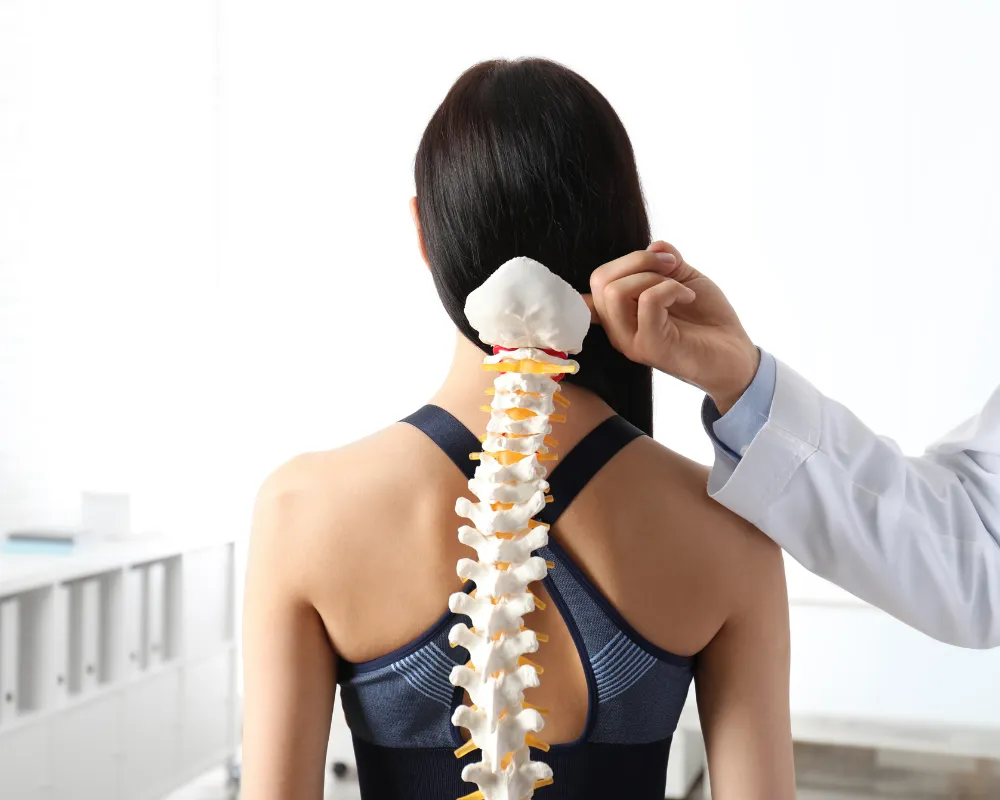
Joint pain can develop for many different reasons, and the symptoms may vary depending on the affected joint and underlying condition. Some problems develop slowly over time, while others may follow an injury, sports activity, repetitive movement or increased physical workload. Identifying the cause can help guide appropriate treatment and rehabilitation.
Arthritis can cause joint pain, stiffness, swelling and difficulty with movement. Osteoarthritis is commonly associated with gradual changes in the joint and may affect mobility as the condition progresses. Management can include exercise-based rehabilitation, activity modification, medication and other treatment options according to the patient's condition.
Knee pain may occur because of arthritis, cartilage damage, meniscus problems, ligament injuries, tendon conditions or repeated stress. Persistent knee discomfort can make walking, climbing stairs, squatting and exercising difficult. Orthopaedic assessment can help determine the cause and guide an appropriate treatment plan.
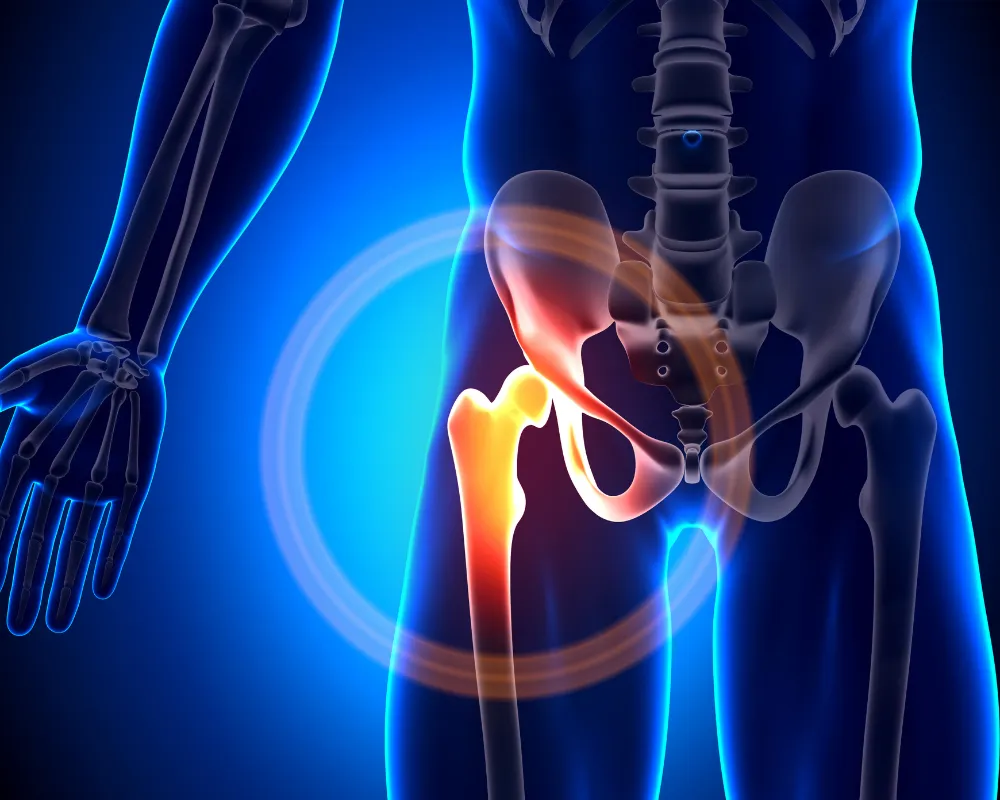
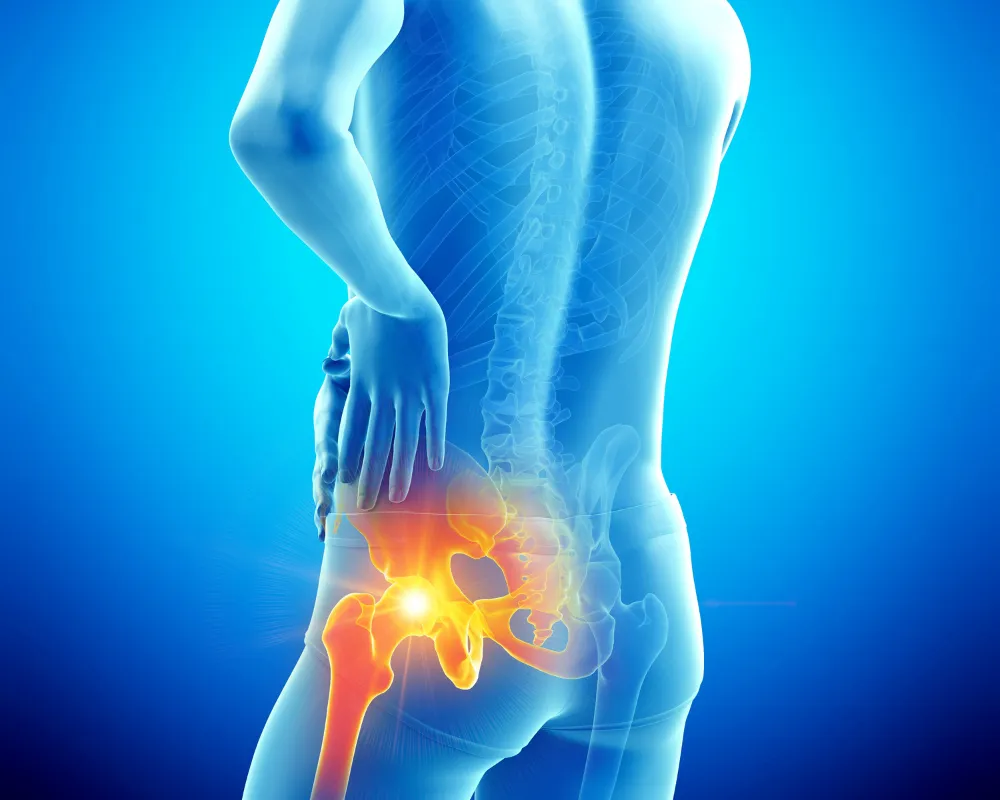
Hip pain may be associated with arthritis, joint degeneration, injury or problems affecting the muscles and soft tissues around the hip. Persistent symptoms can interfere with walking, sitting, standing and other routine movements. Evaluation can help determine whether the pain originates from the hip joint or surrounding structures.
Shoulder pain can develop because of arthritis, rotator cuff conditions, tendon problems, stiffness or repetitive overhead activities. Reduced shoulder mobility may affect reaching, lifting, dressing and other daily tasks. Treatment depends on the underlying condition and the extent of functional limitation.
Pain affecting the elbow, wrist or hand may be related to arthritis, repetitive strain, tendon problems or injuries. Symptoms may interfere with gripping, lifting and fine hand movements. A clinical evaluation can help identify the structures involved and determine suitable treatment.
Ankle and foot pain may occur following ligament injuries, sports activities, arthritis, overuse or previous trauma. Pain, swelling and stiffness may make weight-bearing and normal walking uncomfortable. Treatment may involve activity modification, rehabilitation and other interventions according to the diagnosis.
Many joint conditions can initially be managed with non-surgical treatment. The approach depends on the cause, severity and duration of symptoms. Conservative care may focus on reducing pain, improving joint movement, strengthening supporting muscles and helping patients return to their regular activities.
Physiotherapy can support recovery and functional improvement for several joint conditions. Depending on the patient's requirements, treatment may include therapeutic exercises, stretching, strengthening, mobility training, movement correction and functional rehabilitation. The programme can be modified as strength and mobility improve.
Weakness in the muscles supporting a painful joint can affect stability and movement. Appropriate strengthening exercises may help improve joint support, while mobility exercises can help maintain functional range of motion. Exercises should be selected according to the patient's diagnosis, symptoms and physical capacity.
Activities that repeatedly aggravate joint symptoms may need to be modified during recovery. Patients may receive guidance regarding posture, movement patterns, exercise intensity and gradual return to physical activities. Appropriate activity modification can help reduce unnecessary stress on the affected joint.
Injection-based treatment may be considered for selected joint conditions when symptoms continue despite conservative management. The type of injection depends on the diagnosis, affected joint and individual clinical requirements. An orthopaedic assessment is necessary to determine whether this treatment is appropriate.
Arthroscopy is a minimally invasive surgical technique used to examine and treat certain conditions affecting the inside of a joint. Depending on the diagnosis, it may be considered for selected cartilage, meniscus, ligament or other internal joint problems. The suitability of arthroscopic treatment depends on clinical examination and diagnostic findings.
When a joint has advanced damage or degeneration and pain significantly affects everyday activities, joint replacement may be considered. The procedure involves replacing damaged joint surfaces with artificial components to help restore useful movement and address symptoms associated with severe joint disease.
Total knee replacement may be considered when advanced arthritis or severe knee degeneration causes persistent pain and substantial difficulty with daily activities. The decision is based on symptoms, physical examination, imaging and the overall condition of the knee.
Hip replacement may be considered for selected patients with significant hip joint damage and persistent pain. It may be an option when hip problems interfere with walking, standing and other routine activities. Treatment decisions depend on the individual diagnosis and clinical assessment.
Shoulder joint replacement may be considered for certain advanced conditions involving significant damage to the shoulder joint. A detailed orthopaedic assessment helps determine whether joint replacement or another treatment approach is appropriate for the individual patient.
Sports injuries can affect joints and surrounding tissues because of sudden movements, falls, repetitive loading or excessive training. Ligament injuries, cartilage problems, tendon conditions and joint instability may cause pain and reduced physical performance. Treatment may include injury assessment, activity modification, physiotherapy, strengthening and progressive rehabilitation, while surgery may be considered for selected conditions.
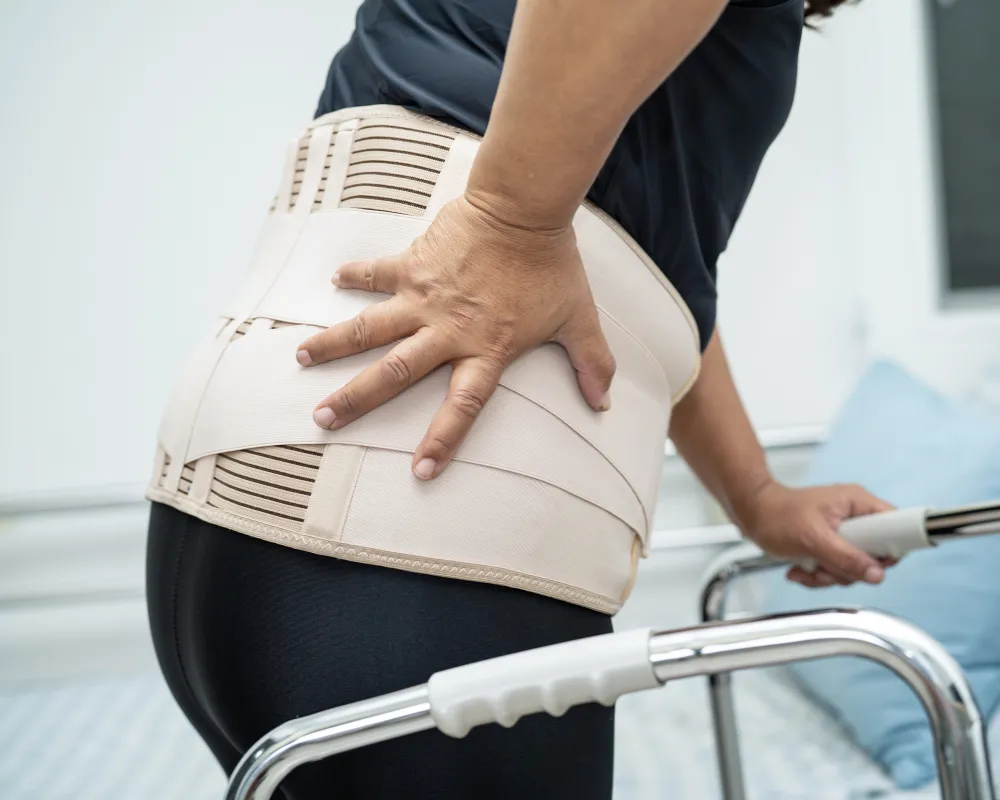
Older adults may experience joint pain because of arthritis, joint degeneration, previous injuries or reduced muscle strength. Knee and hip problems can make walking, stair climbing and other everyday activities more difficult. Treatment may focus on managing symptoms, maintaining mobility, improving strength and supporting safe functional movement.
People who exercise regularly, participate in sports or perform physically demanding work may develop joint pain due to repetitive loading or injury. A structured treatment and rehabilitation programme can address the underlying condition while supporting a gradual return to physical activity.
Rehabilitation is an important part of recovery after surgery involving the knee, hip, shoulder or other joints. Physiotherapy may help restore range of motion, reduce stiffness, rebuild muscle strength and improve functional movement. The rehabilitation programme should progress according to the surgical procedure, healing stage and individual recovery.
Persistent joint pain can affect mobility and daily activities and should be evaluated when it does not settle or repeatedly returns. An orthopaedic consultation can help determine whether symptoms are associated with arthritis, an injury, joint degeneration or another musculoskeletal condition.
Consider seeking professional assessment when joint pain continues for an extended period, follows an injury, is accompanied by swelling or stiffness, repeatedly interferes with physical activity, or makes normal movement difficult. Timely evaluation can help identify the underlying problem and guide an appropriate treatment approach.
Joint pain does not have one standard treatment because its cause and severity can vary from one patient to another. Treatment planning may consider the affected joint, symptoms, diagnosis, age, activity level, previous injuries and functional goals. Some patients may benefit from physiotherapy and activity modification, while others may require medication, injections, arthroscopic procedures or joint replacement.
At Priya Ortho Clinic, the treatment approach can be planned according to clinical findings and individual requirements. The focus is on understanding the source of joint pain, managing symptoms and supporting better movement and day-to-day function.
Joint care may involve several stages, including clinical assessment, diagnosis, conservative treatment, rehabilitation and surgical management when required. Addressing pain together with stiffness, muscle weakness, reduced mobility and functional limitations can provide a more complete approach to joint health.
If you are looking for joint pain treatment in Hasthinapuram, an orthopaedic evaluation can help identify the cause of your symptoms and determine a suitable treatment pathway. With appropriate diagnosis and personalised care, joint-related conditions can be managed according to the patient's specific needs and functional goals.
Faq’s
Orthopedic doctors treat bone, joint, muscle, ligament and spine conditions, including fractures, joint pain and sports injuries