When pain, stiffness or an injury begins to affect walking, work, exercise or other daily activities, appropriate orthopaedic care can help identify the underlying problem and guide suitable treatment. Priya Ortho Clinic provides orthopaedic consultation and treatment for patients in Pammal and nearby areas, covering conditions affecting the bones, joints, muscles, ligaments, tendons and spine. Our care includes sudden problems such as fractures and sports injuries as well as ongoing conditions such as arthritis, knee pain, joint degeneration and back or neck discomfort. Since symptoms and functional limitations can vary between patients, treatment planning begins with an individual clinical evaluation. Depending on the diagnosis, treatment may include medication, activity modification, physiotherapy, rehabilitation, injections, minimally invasive procedures or orthopaedic surgery when medically required. The focus is on addressing the musculoskeletal condition while supporting mobility, recovery and everyday physical function.
Knee pain can make walking, climbing stairs, sitting, standing, squatting and physical activities difficult. It may develop because of arthritis, cartilage changes, meniscus injuries, ligament problems, tendon conditions, previous trauma or repeated stress on the joint. At Priya Ortho Clinic, knee problems are evaluated according to the patient's symptoms, physical limitations and underlying condition. Depending on the diagnosis, treatment may include medication, activity modification, physiotherapy, strengthening exercises, injections, arthroscopic procedures or knee replacement for suitable advanced conditions.
Arthritis can gradually affect joint movement and may cause pain, stiffness, swelling and difficulty with routine activities. It can involve the knees, hips, shoulders, hands, feet and other joints. The effect of arthritis can differ depending on the affected joint and severity of the condition. Orthopaedic management may include pain control, physiotherapy, mobility exercises, strengthening, activity modification and other supportive measures. Surgical treatment may be considered in selected cases where significant joint damage affects mobility and daily function.
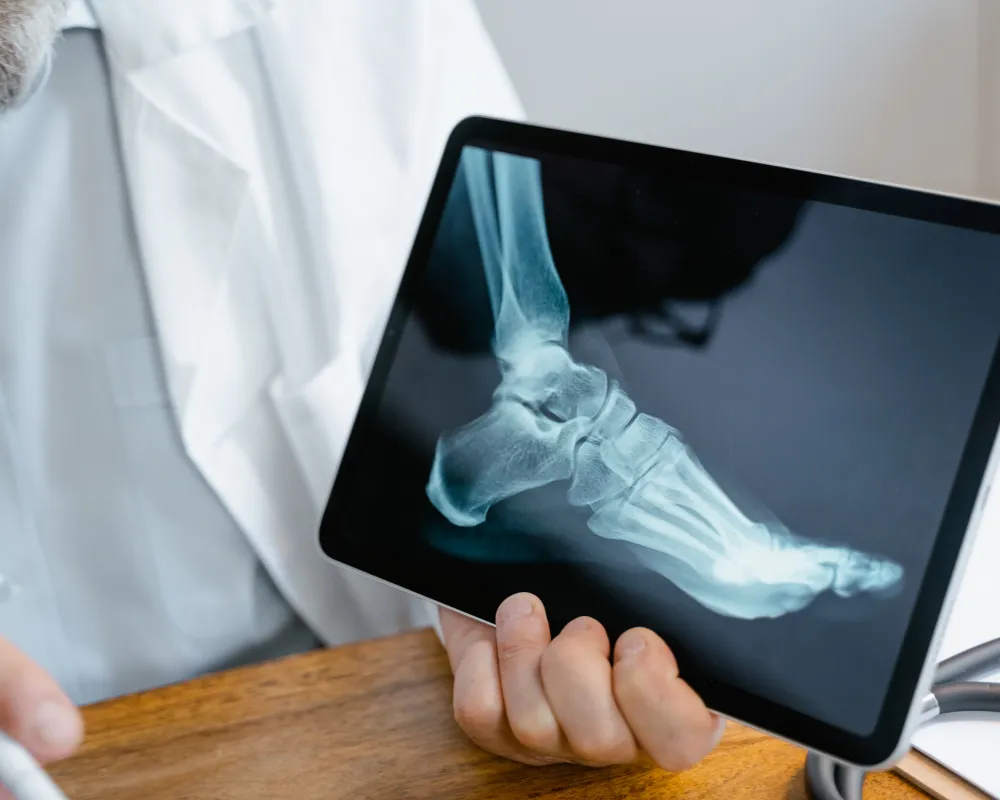
Fractures and other injuries may occur following falls, road accidents, sports activities, workplace incidents or direct impact. A clinical assessment helps understand the location, severity and stability of the injury. Depending on the type of fracture, treatment may involve immobilisation, supportive care, alignment, monitoring or surgical fixation. After the initial healing period, rehabilitation may help restore movement, muscle strength and functional use of the affected area.
Running, jumping, landing, sudden stopping and changes in direction can place significant stress on muscles, tendons, ligaments and joints. Sports injuries may involve sprains, strains, ligament problems, tendon conditions or joint injuries. Sports injury care at Priya Ortho Clinic includes assessment of the affected area and consideration of how the injury influences movement and activity. Depending on the condition, treatment may involve activity modification, symptom management, physiotherapy, strengthening and progressive rehabilitation. Selected complex injuries may require arthroscopy or ligament reconstruction when clinically indicated.
Severe joint damage can cause persistent pain, stiffness and reduced mobility, making activities such as walking, climbing stairs, standing and exercising increasingly difficult. Joint replacement may be considered when substantial joint degeneration causes ongoing functional problems and suitable non-surgical treatment does not provide sufficient improvement. Procedures such as total knee replacement and hip replacement involve replacing damaged joint surfaces with artificial components. An orthopaedic assessment helps determine whether joint replacement is appropriate based on symptoms, joint condition, mobility and individual functional requirements.
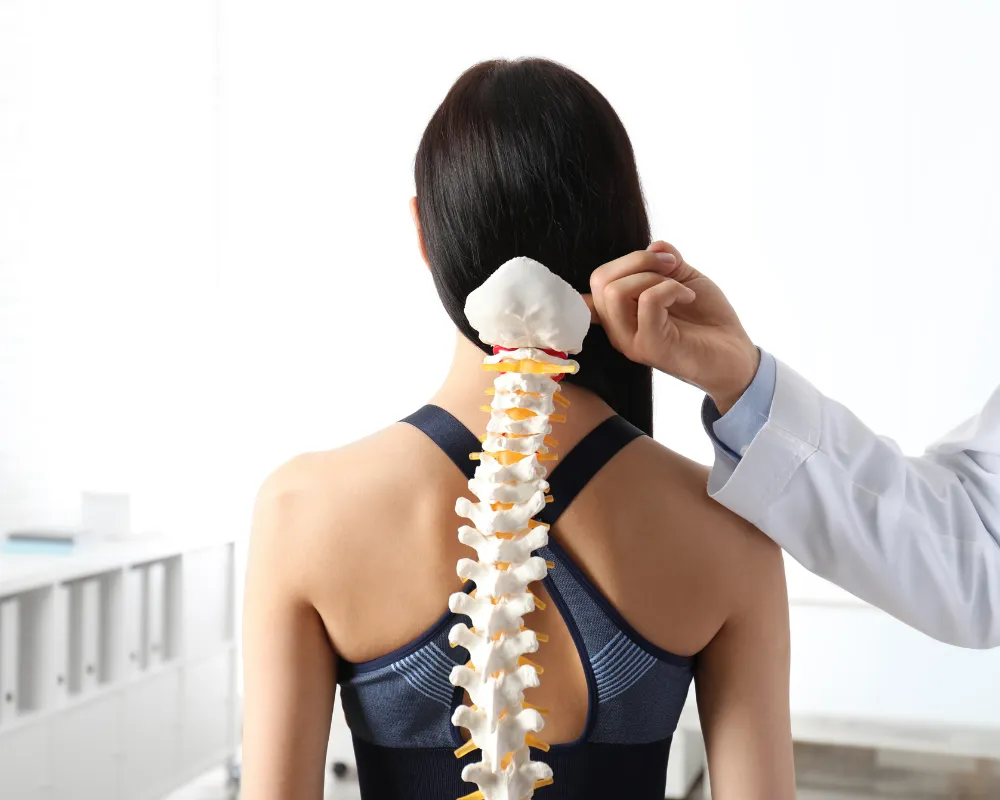
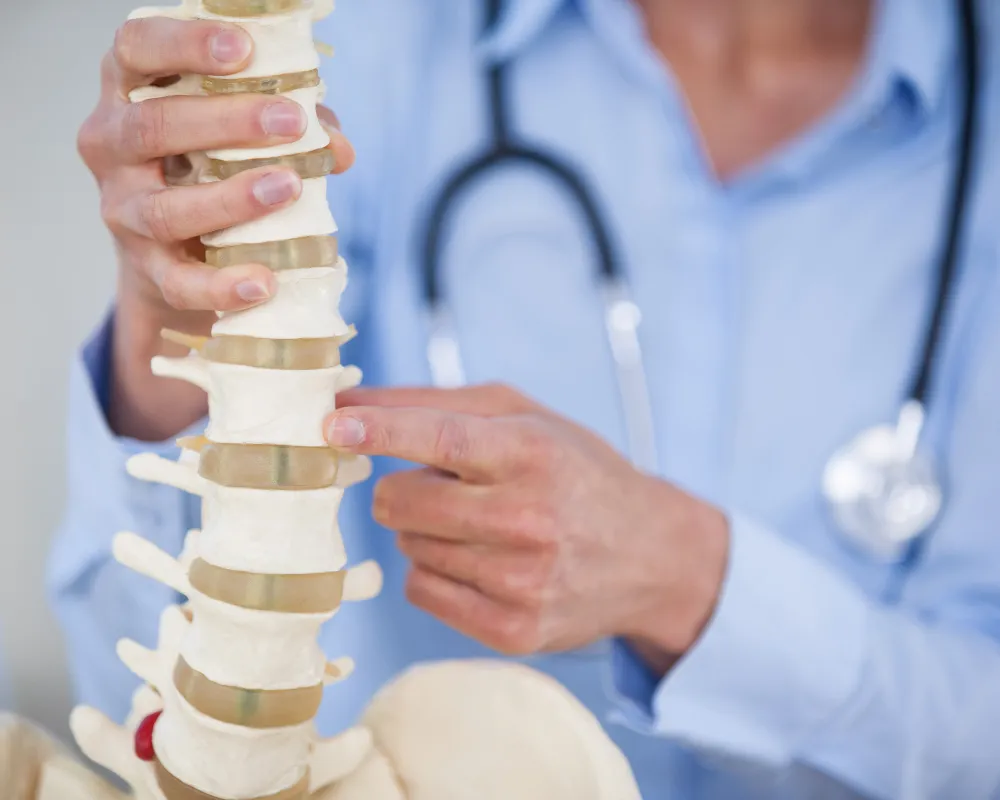
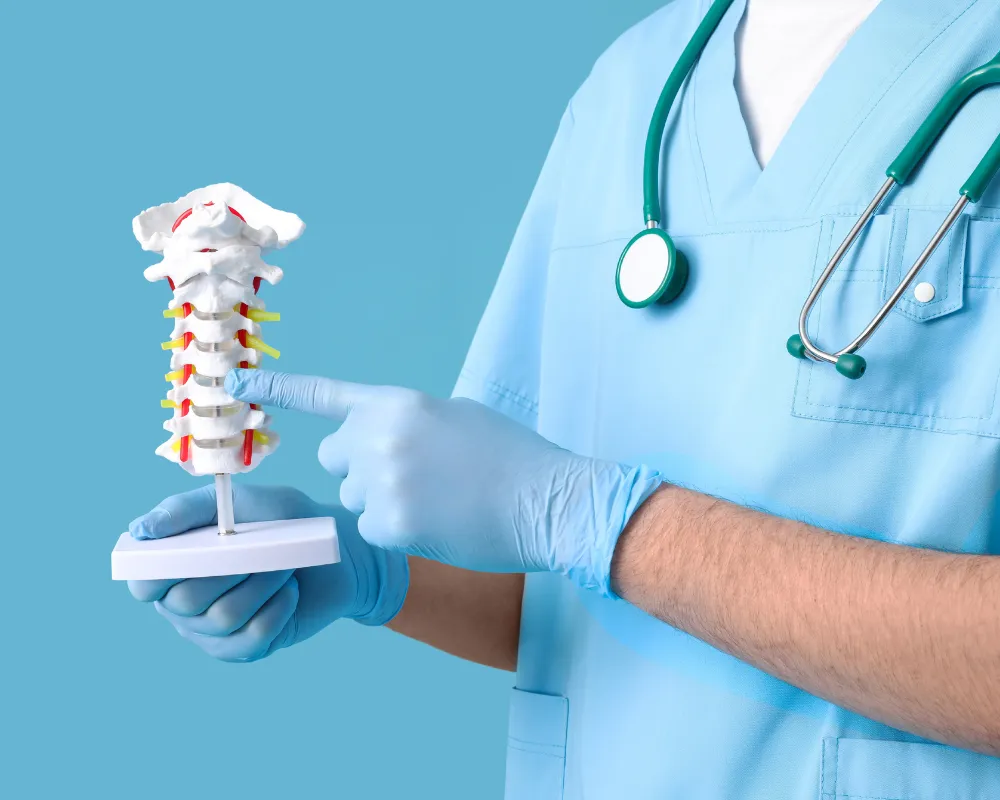
Back and neck problems can develop due to muscle strain, disc-related conditions, spinal changes, injuries, prolonged sitting, posture-related stress or nerve irritation. Symptoms may include pain, stiffness, restricted movement or discomfort extending towards the arms or legs. Careful clinical assessment is important to understand the possible source of symptoms before selecting treatment. Depending on the condition, management may include medication, physiotherapy, posture guidance, therapeutic exercises, activity modification, injections, minimally invasive procedures or spine surgery when clinically required.
Ligaments provide stability to joints and can be injured during twisting movements, sudden stops, jumping, landing or rapid changes in direction. ACL injuries may result in knee pain, swelling, instability and difficulty with certain physical activities. Treatment is selected according to the severity of the injury, knee stability, activity level and individual requirements. Some patients may benefit from structured rehabilitation, strengthening and activity modification, while selected cases with persistent instability may require ligament reconstruction followed by progressive rehabilitation.
Arthroscopy is a minimally invasive orthopaedic procedure used to examine and treat selected conditions inside a joint. A small camera and specialised instruments allow the internal structures of a joint to be assessed and appropriate procedures to be performed through small openings. Arthroscopy may be considered for certain knee, shoulder and other joint conditions, including selected sports injuries and internal joint problems. The decision depends on the diagnosis, symptoms, examination findings and response to other treatment options. Rehabilitation may be recommended afterwards to support gradual improvement in movement and strength.
Physiotherapy and rehabilitation can be an important part of recovery for patients with pain, stiffness, weakness or reduced mobility. Rehabilitation may be recommended following fractures, sports injuries, joint replacement, arthroscopic procedures or ligament surgery, and may also form part of non-surgical orthopaedic care. Depending on the condition, rehabilitation may include therapeutic exercises, joint mobility training, muscle strengthening, flexibility exercises, balance training and functional movement practice. A gradual rehabilitation programme can help patients rebuild physical capacity and work towards returning to their usual activities.
Orthopaedic care should be planned according to the specific condition, symptoms and functional requirements of each patient. At Priya Ortho Clinic in Pammal, patients can seek evaluation and treatment for a range of musculoskeletal concerns, including joint pain, fractures, sports injuries, ligament conditions, spine problems and joint replacement requirements. The treatment process begins with understanding the patient's symptoms and movement limitations, followed by appropriate clinical evaluation and treatment planning. Where non-surgical management is suitable, treatment may involve medication, physiotherapy, therapeutic exercises and activity guidance. When a procedure or surgery is medically indicated, suitable options can be considered according to the individual condition. Rehabilitation and recovery guidance can also support the treatment process. Our approach focuses on: