Orthopaedic conditions can affect mobility, comfort and the ability to manage everyday activities with ease. Persistent knee pain, back discomfort, joint stiffness, sports injuries, fractures and ligament problems may gradually interfere with walking, exercising, working and other routine movements. Priya Ortho Clinic in Tambaram provides orthopaedic consultation and treatment for conditions involving bones, joints, muscles, tendons, ligaments and the spine. Care is suitable for both recent injuries and longer-standing musculoskeletal problems that require evaluation and ongoing management. Every orthopaedic condition can present differently, so treatment begins with understanding the patient's symptoms, previous injuries, physical activity, movement limitations and daily requirements. Based on the clinical findings, treatment may include medication, physiotherapy, therapeutic exercises, activity modification, injections, rehabilitation, minimally invasive procedures or surgery when clinically appropriate. The focus is on identifying the underlying problem and developing suitable orthopaedic care to support recovery, mobility and everyday function.
The knee is involved in many everyday movements, including walking, standing, climbing stairs, squatting and getting up from a seated position. Knee pain may result from arthritis, ligament injuries, meniscus problems, cartilage changes, tendon conditions, previous injuries or repeated physical stress. An orthopaedic assessment can help identify the possible cause of symptoms and determine the appropriate treatment approach. Depending on the condition, knee care may include medication, physiotherapy, strengthening exercises, activity modification, injections, arthroscopic treatment or knee replacement for selected cases involving advanced joint damage.
Arthritis can affect the structure and movement of a joint and may cause pain, stiffness, swelling and reduced mobility. It can involve the knee, hip, shoulder, hand, wrist, ankle and other joints. The treatment approach depends on the type of arthritis, the joint affected, the severity of symptoms and the effect on daily activities. Orthopaedic management may include pain control, physiotherapy, mobility exercises, muscle strengthening, activity guidance and other conservative measures. When substantial joint damage affects function, surgical treatment or joint replacement may be considered after appropriate clinical evaluation.
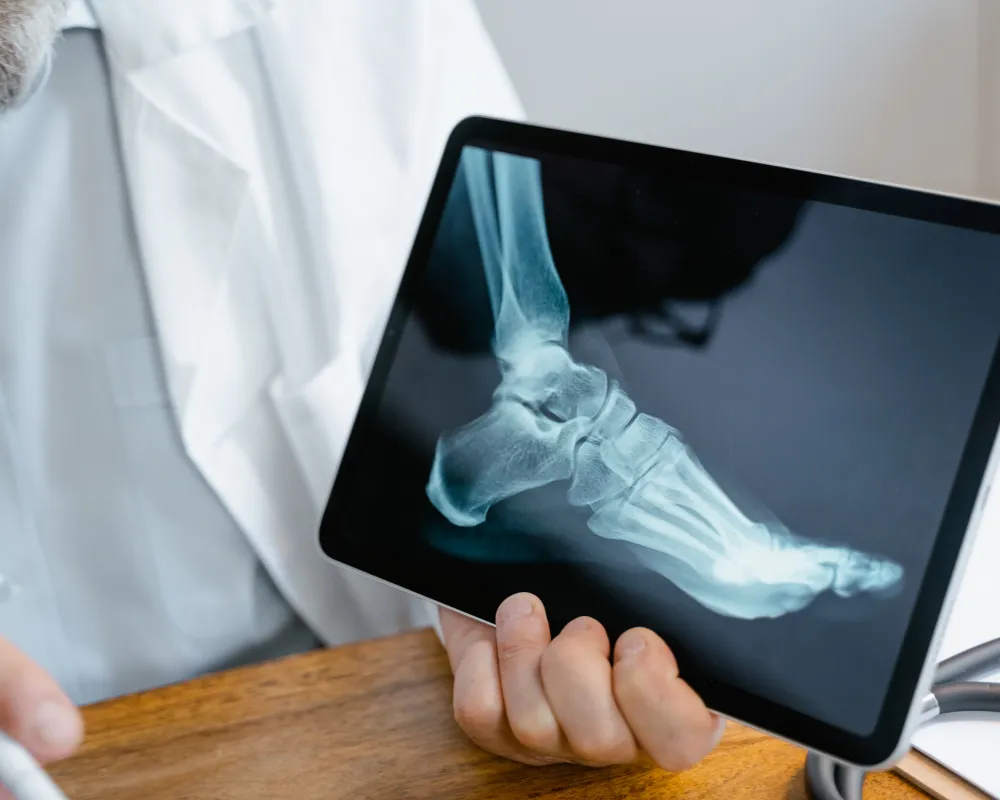
Fractures may occur because of falls, road accidents, sports activities, workplace injuries or direct impact. Proper assessment is important to understand the location, alignment and stability of the affected bone. Depending on the fracture pattern and individual circumstances, treatment may involve immobilisation, supportive care, regular follow-up or surgical fixation. Rehabilitation may be recommended after the initial healing stage to improve movement, rebuild muscle strength and gradually restore the normal use of the injured area.
Sports and fitness activities can place repeated demands on muscles, tendons, ligaments and joints. Injuries may occur during running, jumping, landing, throwing, lifting or sudden changes in direction. Common sports-related problems include muscle strains, ligament injuries, tendon conditions, knee injuries, ankle sprains and shoulder problems. Sports injury treatment at Priya Ortho Clinic may involve clinical assessment, temporary changes to training, symptom management, physiotherapy and progressive rehabilitation. For selected injuries that affect joint stability or internal joint structures, procedures such as arthroscopy or ligament reconstruction may be considered.
Advanced joint degeneration can make routine activities increasingly uncomfortable and may limit walking, stair climbing, standing or physical activity. Joint replacement can be considered when significant damage affects the function of a joint and other treatment options do not provide sufficient improvement. Total knee replacement and hip replacement are procedures in which damaged joint surfaces are replaced with artificial components. An orthopaedic evaluation helps determine whether replacement surgery is suitable by considering symptoms, joint condition, functional limitations, general health and individual activity requirements.
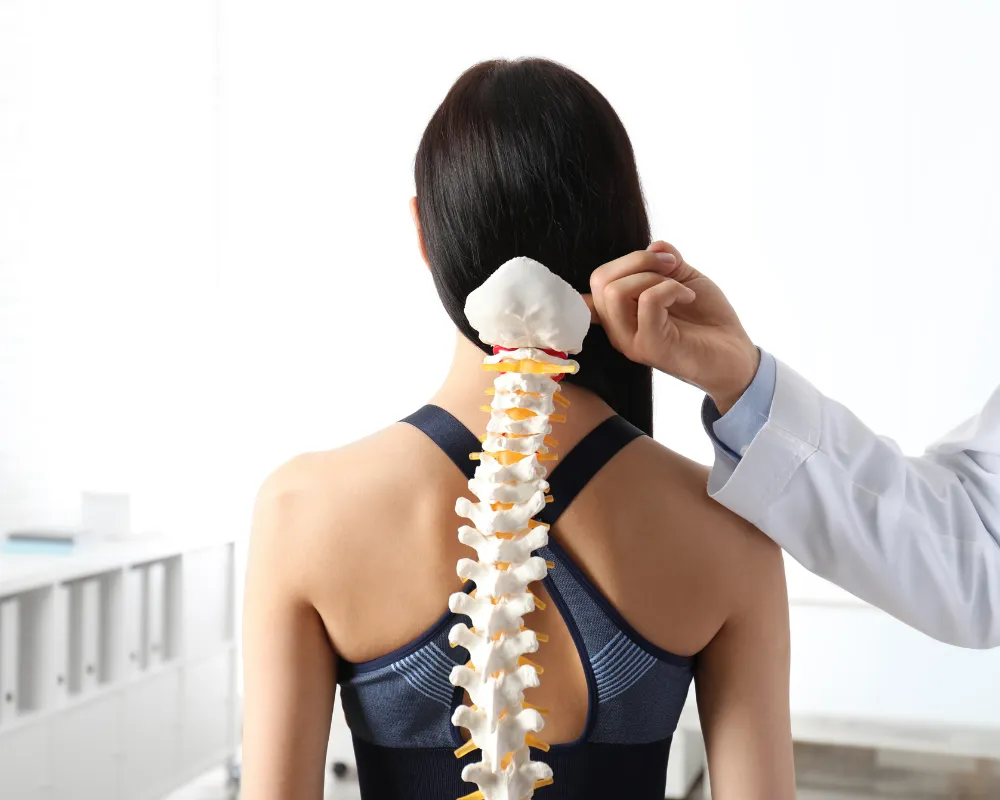
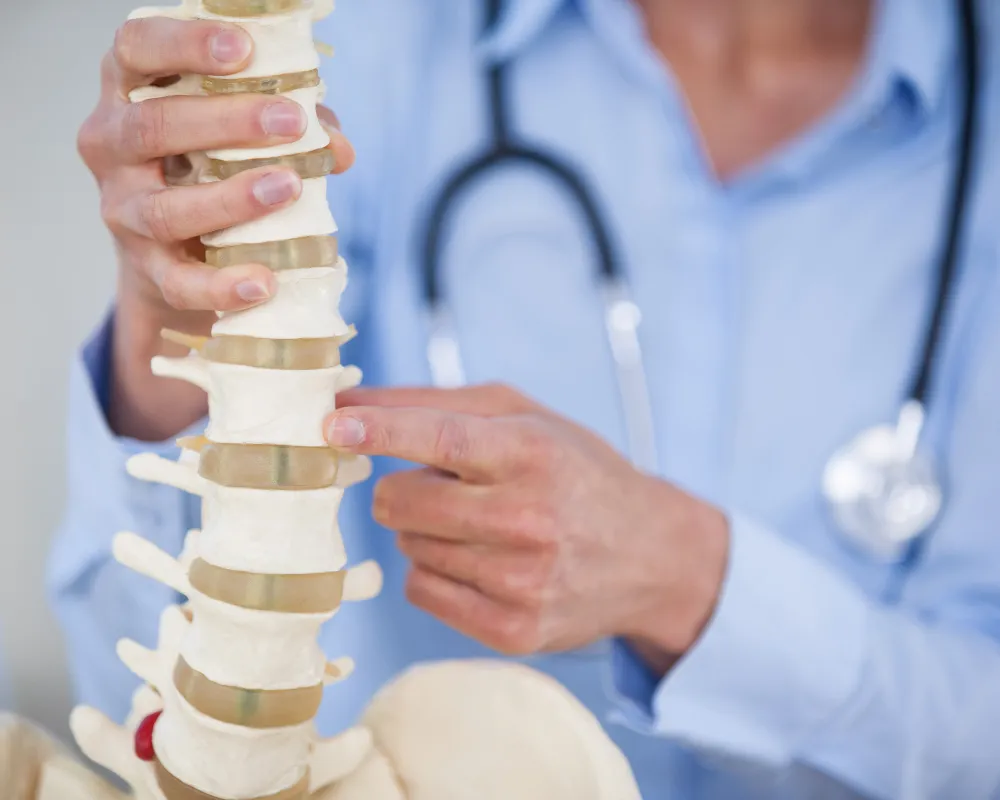
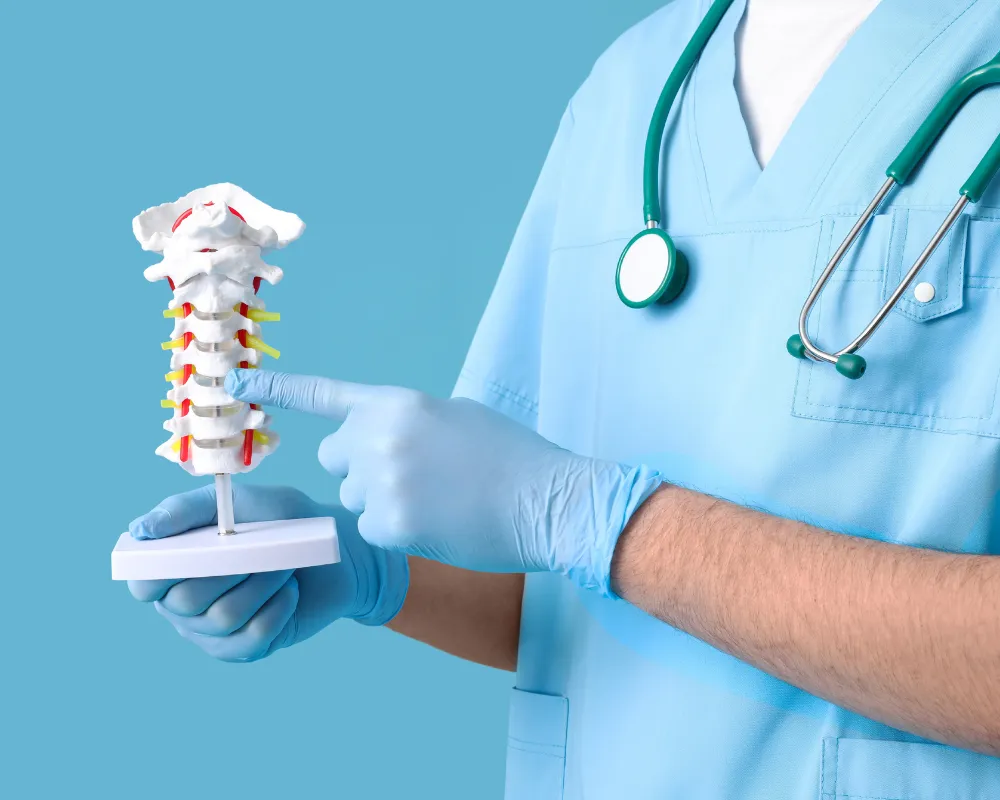
Back and neck symptoms can develop due to muscle strain, disc-related problems, spinal changes, nerve irritation, injuries and other conditions affecting the spine. Some patients may experience localised pain and stiffness, while others may have symptoms that extend towards the arms or legs. Identifying the underlying cause is an important part of choosing appropriate treatment. Depending on the condition, management may include medication, physiotherapy, posture guidance, therapeutic exercises, activity modification, injections, minimally invasive procedures or spine surgery when clinically indicated.
Ligaments provide stability to joints and can be injured during sudden twisting, landing, contact, overextension or rapid changes in direction. ACL injuries are particularly common in activities that involve jumping, pivoting and sudden movement. Treatment depends on the severity of the injury, the level of knee instability, activity requirements and the patient's functional goals. Some ligament injuries may be managed with physiotherapy and structured strengthening, while selected injuries with persistent instability may require ligament reconstruction. Rehabilitation is an important part of restoring strength, stability and controlled movement after treatment.
Arthroscopy is a minimally invasive technique used to examine and treat selected conditions affecting the inside of a joint. A small camera and specialised instruments are introduced through small incisions to allow the surgeon to assess specific joint problems. Arthroscopic procedures may be considered for certain knee, shoulder and other joint conditions, including selected sports injuries and internal joint problems. The decision to use arthroscopy depends on the diagnosis, symptoms, examination findings and response to other treatment options. Rehabilitation following the procedure may help restore mobility and strength.
Physiotherapy can support recovery from many orthopaedic conditions by focusing on movement, strength, flexibility and functional ability. Rehabilitation may be recommended following fractures, sports injuries, ligament treatment, arthroscopy, joint replacement or other orthopaedic procedures. Physiotherapy can also be included as part of non-surgical care for pain, stiffness and reduced mobility. Depending on the patient's condition, rehabilitation may involve therapeutic exercises, joint mobility training, muscle strengthening, flexibility exercises, balance work and functional movement practice. A gradual programme allows activity levels to be increased according to the patient's recovery and physical capacity.
Choosing an orthopaedic clinic involves looking at how the condition is assessed, how treatment options are considered and how recovery is supported. At Priya Ortho Clinic in Tambaram, patients can seek evaluation and treatment for a broad range of musculoskeletal concerns, including joint pain, knee conditions, arthritis, fractures, sports injuries, ligament problems, spine-related conditions and joint replacement requirements. Treatment may begin with a detailed understanding of the patient's symptoms and physical limitations, followed by appropriate clinical assessment and treatment planning. Depending on the condition, conservative care may include medication, physiotherapy, exercises and activity modification, while procedures or surgery may be considered when medically appropriate. Rehabilitation can also form an important part of recovery following injury or orthopaedic treatment. Our approach focuses on: