Priya Ortho Clinic provides comprehensive orthopaedic care for patients looking for an orthopedic clinic in Vandalur and nearby areas of Chennai. Bone, joint, muscle, ligament, tendon and spine conditions can affect walking, working, exercising and carrying out everyday activities comfortably. A timely orthopaedic assessment can help identify the underlying cause of pain, stiffness or restricted movement and support an appropriate treatment plan based on the patient's condition and functional needs.
Our orthopaedic care covers a broad range of musculoskeletal conditions, including knee pain, arthritis, fractures, sports injuries, ligament problems, joint degeneration, back and neck conditions and other orthopaedic concerns. Treatment is planned according to the individual's symptoms and clinical findings, with conservative care considered wherever appropriate and surgical procedures recommended when they are medically indicated.
Knee pain can develop because of arthritis, cartilage changes, meniscus injuries, ligament problems, tendon conditions, previous trauma or repeated physical stress. Patients may experience pain while walking, climbing stairs, sitting for long periods, standing or participating in physical activities. Identifying the cause of knee pain is an important part of selecting suitable treatment.
Depending on the condition, knee treatment may include medication, activity modification, physiotherapy, muscle strengthening, mobility exercises, selected injections, arthroscopic procedures or knee replacement when advanced joint damage significantly affects daily function.
Arthritis and degenerative joint conditions can cause persistent pain, stiffness, swelling and reduced movement. The knees and hips are commonly affected, while arthritis can also involve the shoulders, ankles, hands and other joints. Previous injuries, age-related changes and repeated stress on a joint can contribute to ongoing symptoms.
Orthopaedic evaluation helps assess the affected joint and understand how the condition is influencing daily activities. Depending on the severity, management may involve medication, physiotherapy, strengthening, mobility exercises, activity modification, injections or surgical treatment when clinically appropriate.
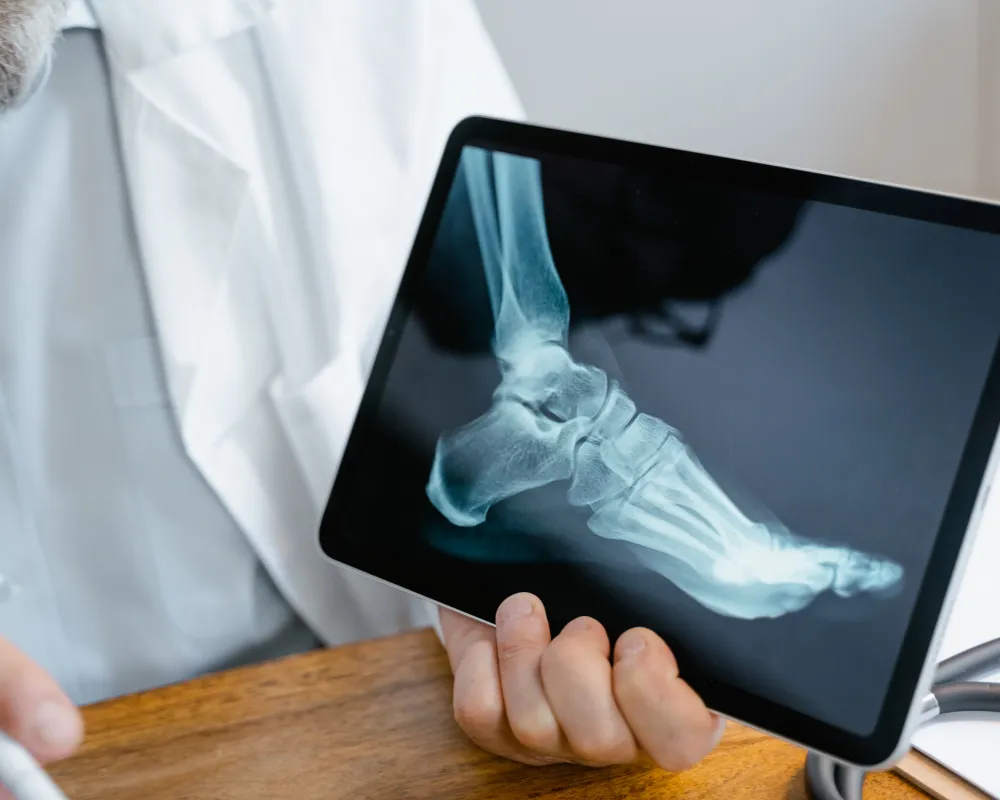
Fractures can result from falls, road accidents, sports injuries, workplace incidents and other forms of trauma. Proper evaluation is important to understand the location, alignment and severity of the fracture. Treatment may involve immobilisation, supportive care, monitoring, fracture alignment or surgical fixation depending on the type of injury.
Follow-up and rehabilitation are also important after fracture treatment. A gradual return to movement and appropriate strengthening can help restore flexibility, muscle function and the practical use of the affected limb.
Sports injuries can affect athletes, recreational players and individuals who participate in regular physical activities. Common problems include muscle strains, ligament sprains, tendon injuries, meniscus problems, knee injuries, shoulder injuries and ankle conditions. Symptoms may include pain, swelling, weakness, reduced movement or joint instability.
Treatment depends on the nature and severity of the injury. Management may include rest and activity modification, symptom control, physiotherapy, strengthening, flexibility exercises, movement training and rehabilitation. Selected injuries may require arthroscopic treatment or ligament reconstruction following appropriate clinical assessment.
Severe joint degeneration can make everyday activities such as walking, climbing stairs, standing and getting up from a chair increasingly difficult. When joint damage is advanced and symptoms continue despite appropriate non-surgical treatment, joint replacement may be considered after a detailed orthopaedic evaluation.
Total knee replacement and total hip replacement are procedures used to address significant damage in the respective joints. The decision for joint replacement depends on symptoms, joint condition, functional limitations and the patient's individual clinical requirements.
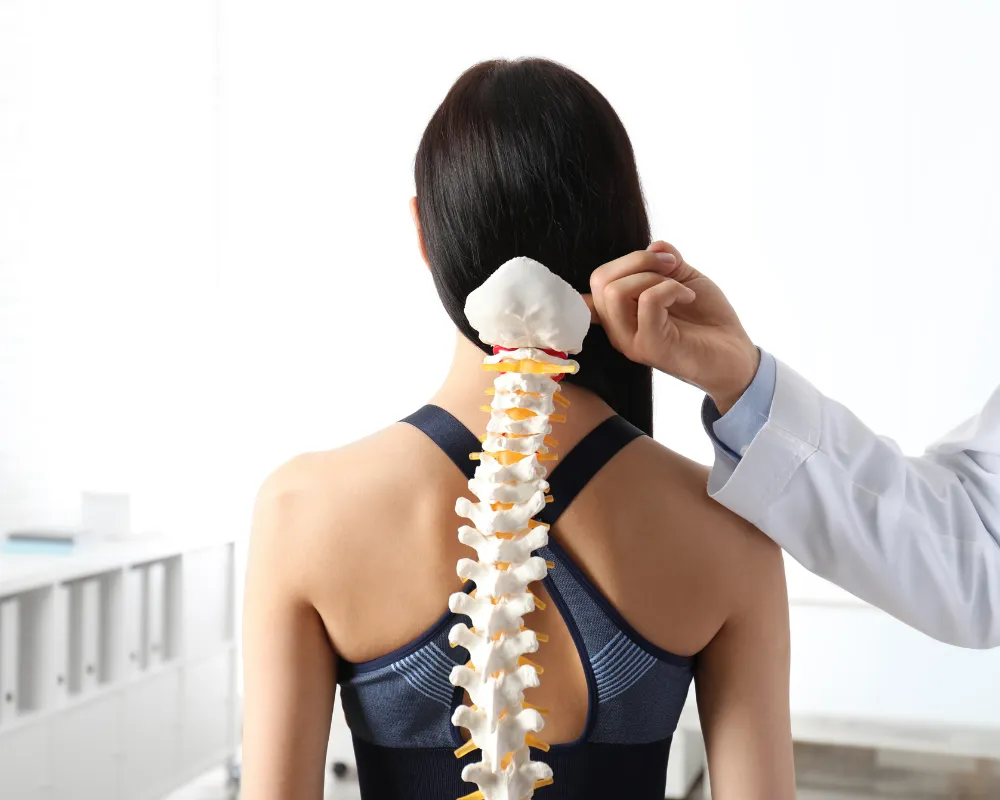
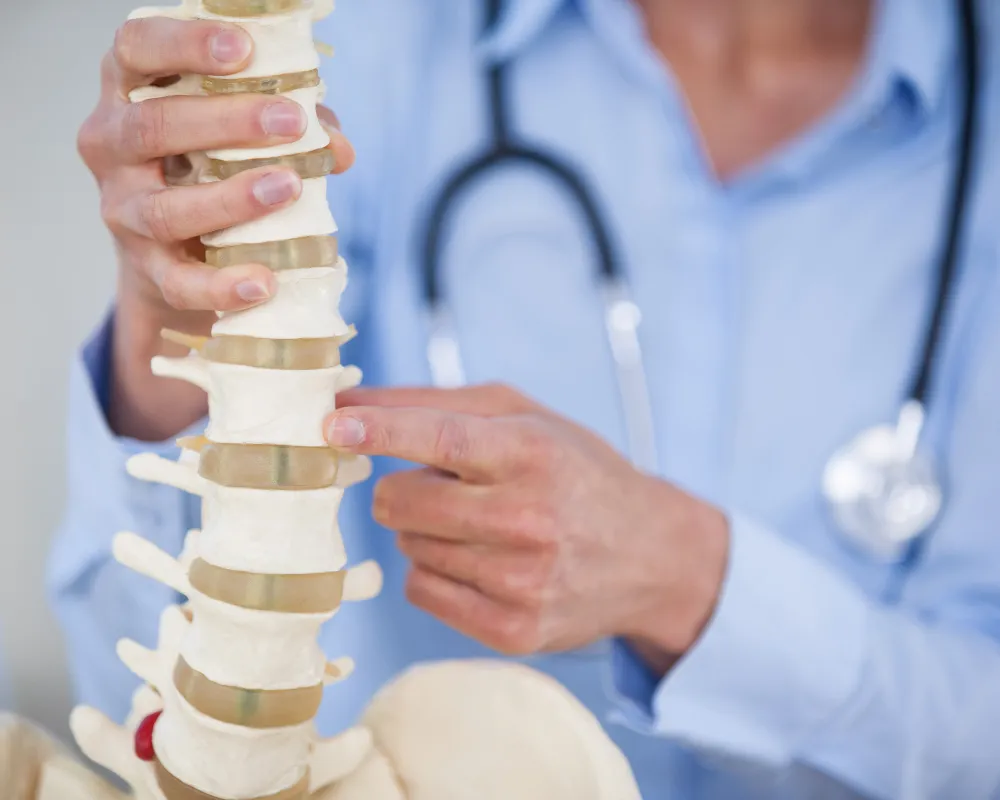
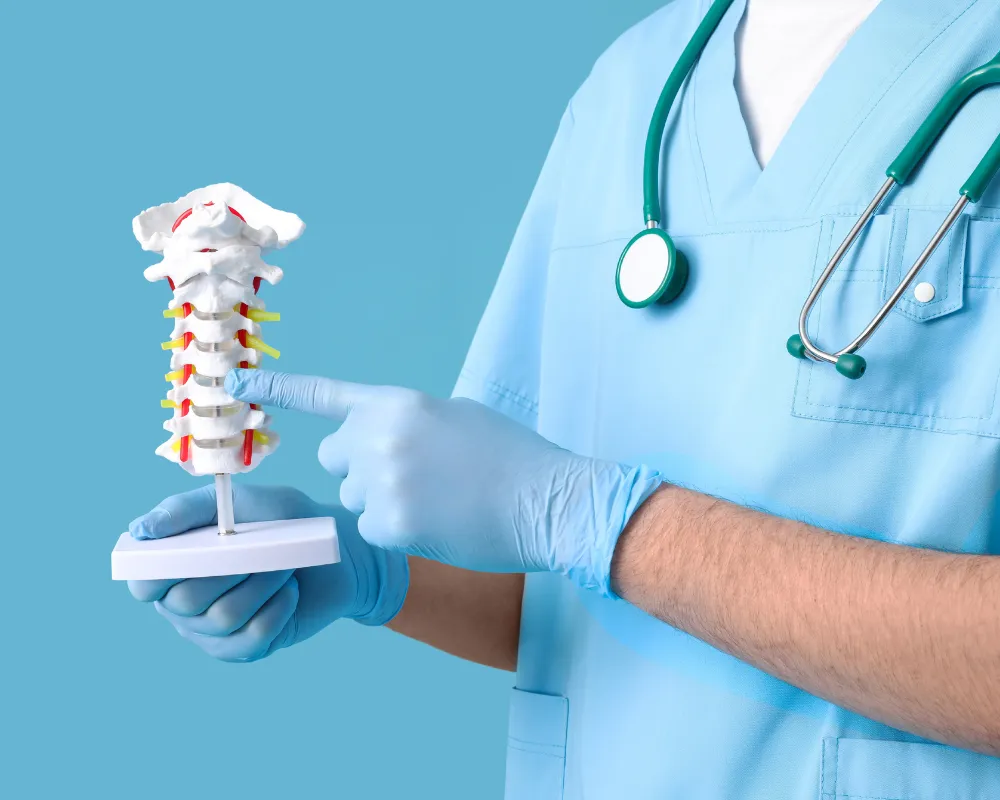
Back and neck pain may be associated with muscle strain, disc-related conditions, age-related spinal changes, injuries, prolonged sitting, poor posture or nerve irritation. Symptoms can range from localised discomfort and stiffness to pain that extends into the arms or legs. A proper clinical assessment helps determine the possible source of symptoms.
Depending on the condition, treatment may include medication, physiotherapy, posture correction, therapeutic exercises, core and back strengthening, activity modification, selected procedures or spine surgery when it is medically required. Rehabilitation can also support mobility and functional recovery.
Ligament injuries commonly occur during sports, twisting movements, sudden changes in direction, jumping, landing or accidental falls. ACL injuries may result in knee pain, swelling and instability, particularly during activities that involve pivoting or sudden movement.
Some ligament injuries can be managed with structured physiotherapy, strengthening and activity modification. When ligament reconstruction is clinically indicated, surgery may be followed by a progressive rehabilitation programme designed to improve movement, strength, stability and functional performance.
Arthroscopy is a minimally invasive surgical technique used for selected joint conditions. Through small openings, a camera is introduced into the joint to help examine internal structures and perform appropriate procedures. It may be considered for certain knee, shoulder and other joint problems.
Depending on the diagnosis, arthroscopic treatment may be used for selected meniscus, cartilage, ligament and other joint-related conditions. The suitability of keyhole surgery is determined after clinical assessment and consideration of the patient's symptoms and joint condition.
Physiotherapy and rehabilitation are important components of orthopaedic care for many patients. They may be recommended after injuries, fractures, joint problems, surgery or periods of reduced physical activity. Rehabilitation programmes can focus on improving joint mobility, muscle strength, flexibility, balance and functional movement.
A structured rehabilitation plan can be adjusted according to the patient's condition and recovery progress. Gradual strengthening and controlled exercises can support the return to everyday activities, work, exercise and other physical routines.
Effective orthopaedic treatment begins with understanding the cause of pain, injury or restricted movement. At Priya Ortho Clinic, treatment planning is based on clinical evaluation, symptoms, physical function and the individual needs of each patient. Depending on the condition, care may involve conservative treatment, rehabilitation or surgical intervention.