An orthopedic specialist in Guduvancheri provides evaluation and treatment for conditions affecting the bones, joints, muscles, ligaments, tendons and spine. Orthopedic consultation may be useful for persistent joint pain, fractures, sports injuries, arthritis, stiffness or difficulty with movement. A detailed clinical assessment can help identify the underlying condition and guide suitable treatment and rehabilitation options.
Knee pain may occur due to arthritis, ligament injuries, cartilage problems, sports-related trauma, muscle weakness or changes in the joint over time. An orthopedic assessment can help determine the possible cause of pain and restricted movement. Depending on the condition, treatment may involve medication, physiotherapy, activity modification, injections or surgical care when required.
Hip pain can make walking, standing, climbing stairs and routine activities difficult. It may be associated with arthritis, joint degeneration, injuries or problems involving the surrounding muscles and tendons. An orthopedic specialist can evaluate hip movement and symptoms and recommend appropriate treatment and rehabilitation based on the patient's condition.
Sports injuries can affect joints, muscles, tendons, ligaments and cartilage. Common problems include sprains, muscle strains, ligament injuries and activity-related joint pain. Orthopedic evaluation can help identify the extent of an injury and guide suitable treatment, rehabilitation and a gradual return to sports and physical activities.
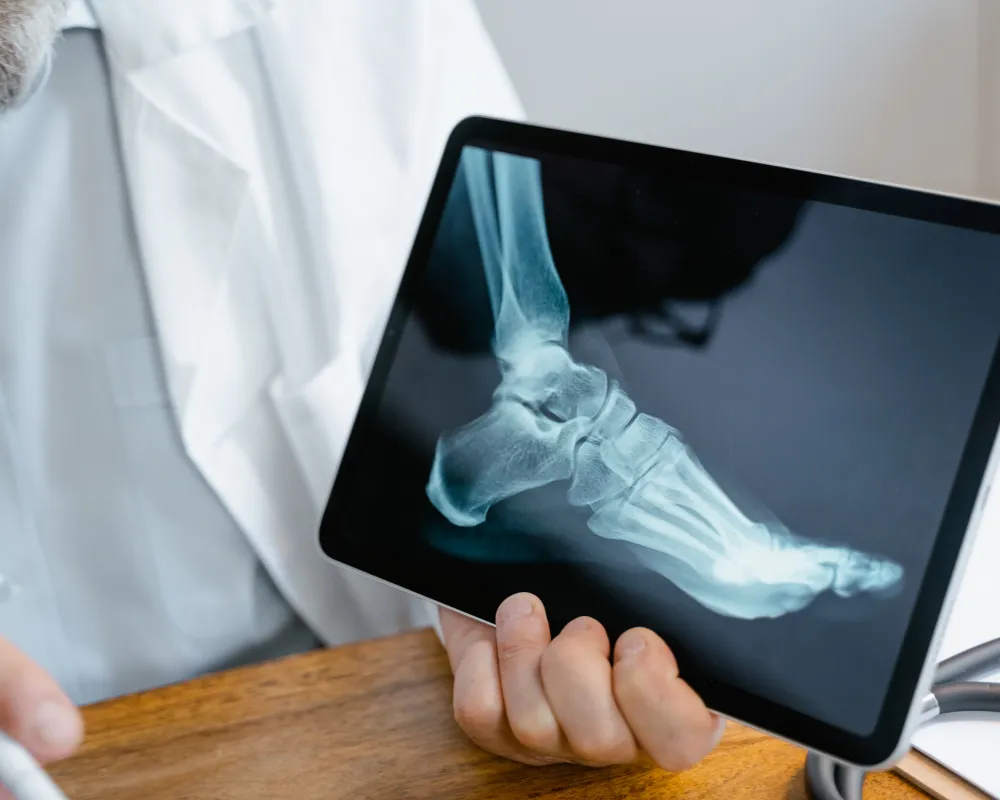
Fractures can result from falls, road accidents, sports injuries or other forms of trauma. An orthopedic specialist may use clinical examination and imaging to assess the location and severity of the fracture. Treatment can include immobilisation, fracture reduction, surgical fixation and follow-up rehabilitation depending on the nature of the injury.
Arthritis can cause joint pain, stiffness, swelling and difficulty with movement. The knees, hips, shoulders and other joints may be affected. An orthopedic specialist can assess the condition and discuss appropriate management options, which may include medication, physiotherapy, exercise, activity modification or surgery depending on the severity.
Shoulder pain may be caused by rotator cuff problems, frozen shoulder, tendon injuries, instability, arthritis or other musculoskeletal conditions. Orthopedic evaluation can assess shoulder movement, strength and functional limitations. Treatment can then be planned according to the underlying condition, with rehabilitation or surgical care considered when clinically appropriate.
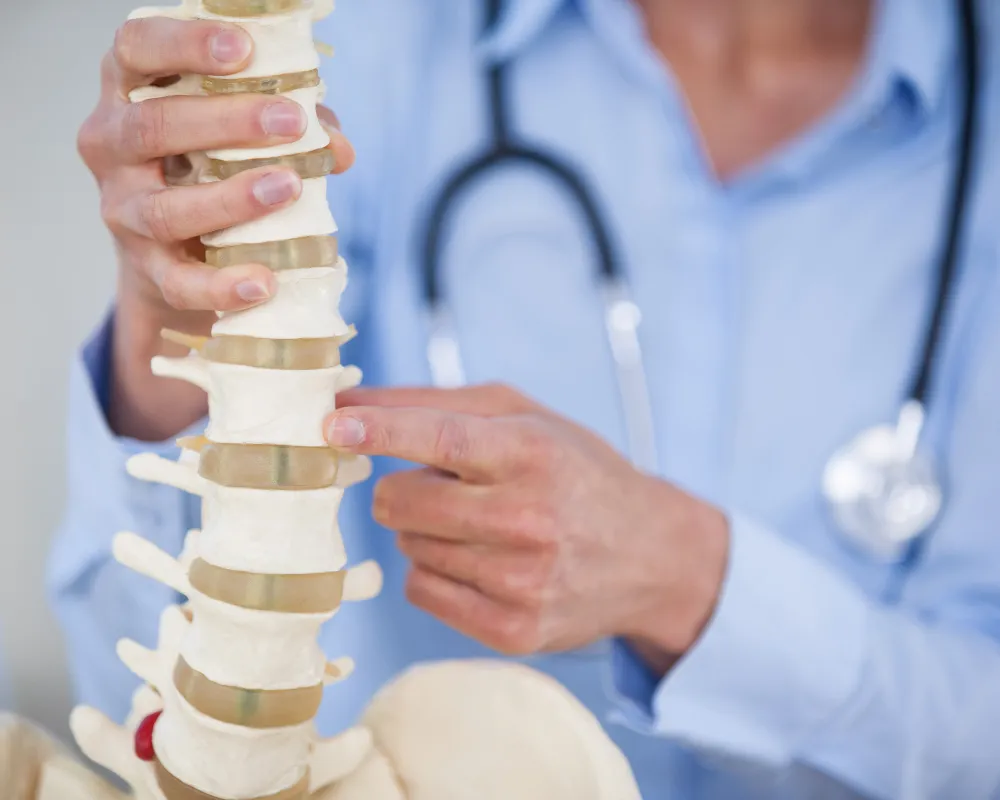
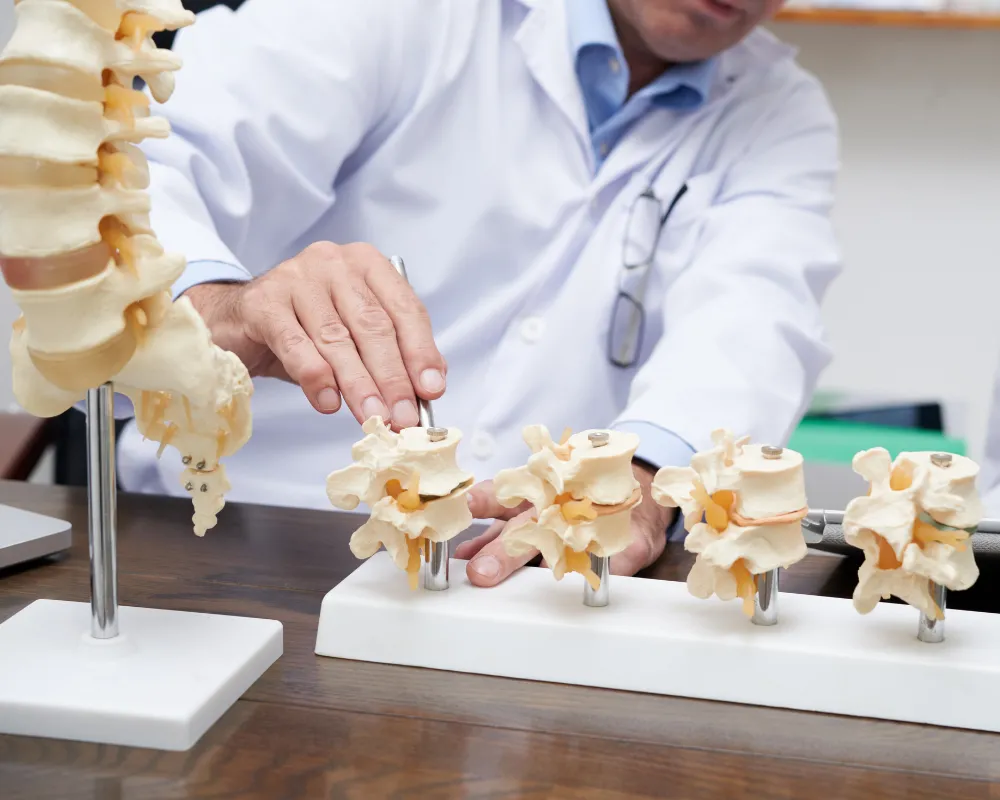
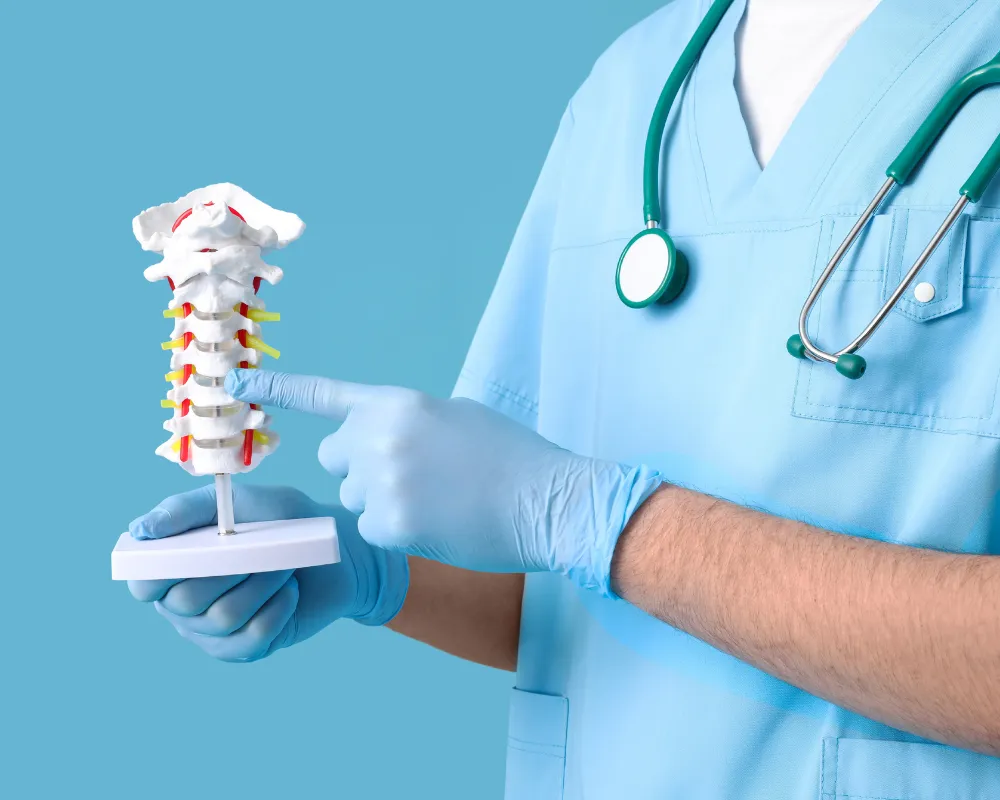
Back and neck pain may be associated with muscle strain, disc-related conditions, spinal degeneration, posture-related problems or other musculoskeletal issues. An orthopedic assessment can help understand the possible source of symptoms and determine suitable treatment. Depending on the condition, management may include medication, physiotherapy, activity modification or surgery.
Orthopedic rehabilitation can support recovery following fractures, injuries, surgery or prolonged movement restrictions. A personalised rehabilitation programme may focus on restoring joint mobility, improving muscle strength, flexibility, balance and functional movement. Exercises and rehabilitation goals can be adjusted according to the patient's condition and progress.
Joint replacement may be considered for certain advanced joint conditions when persistent pain and reduced mobility affect daily activities. An orthopedic specialist can evaluate the affected joint, symptoms, movement and previous treatment before discussing suitable options. When surgery is recommended, post-operative rehabilitation and follow-up care can support recovery and improve functional movement.
Faq’s
Orthopedic doctors treat bone, joint, muscle, ligament and spine conditions, including fractures, joint pain and sports injuries