A physiotherapy centre in Chennai can provide rehabilitation and movement-based care for people experiencing pain, stiffness, muscle weakness, injuries and reduced mobility. Physiotherapy assessment may include checking joint movement, muscle strength, flexibility, posture, balance and functional activities. Based on the patient's condition, an individual treatment programme can be planned with suitable exercises and rehabilitation techniques.
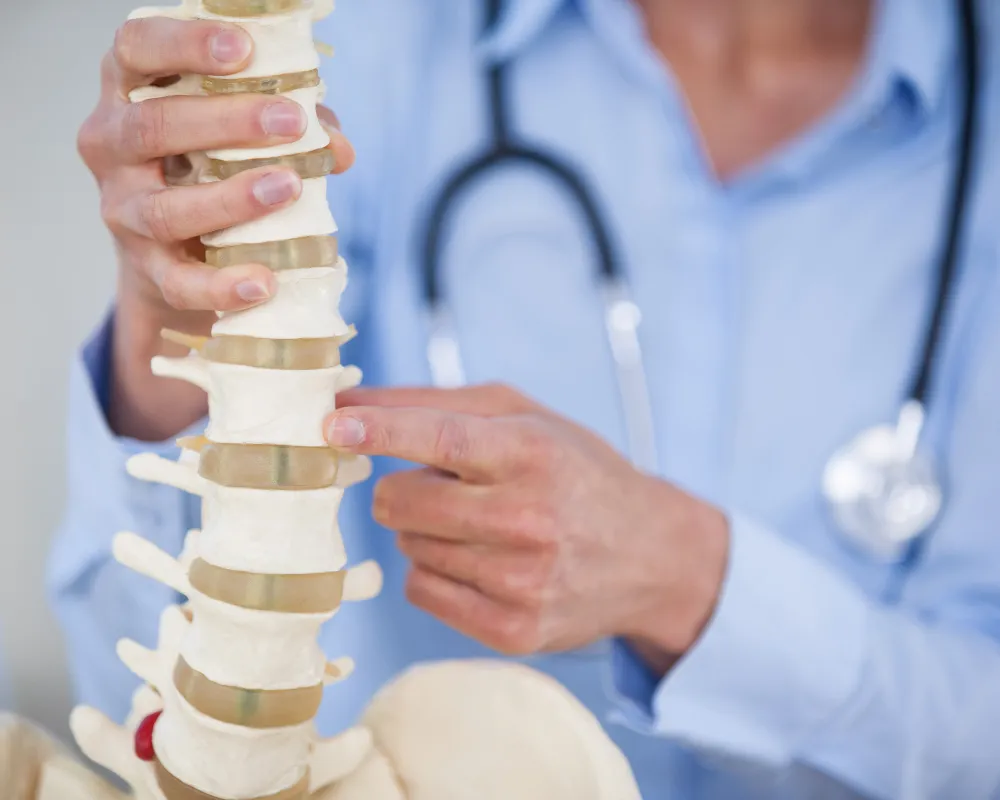
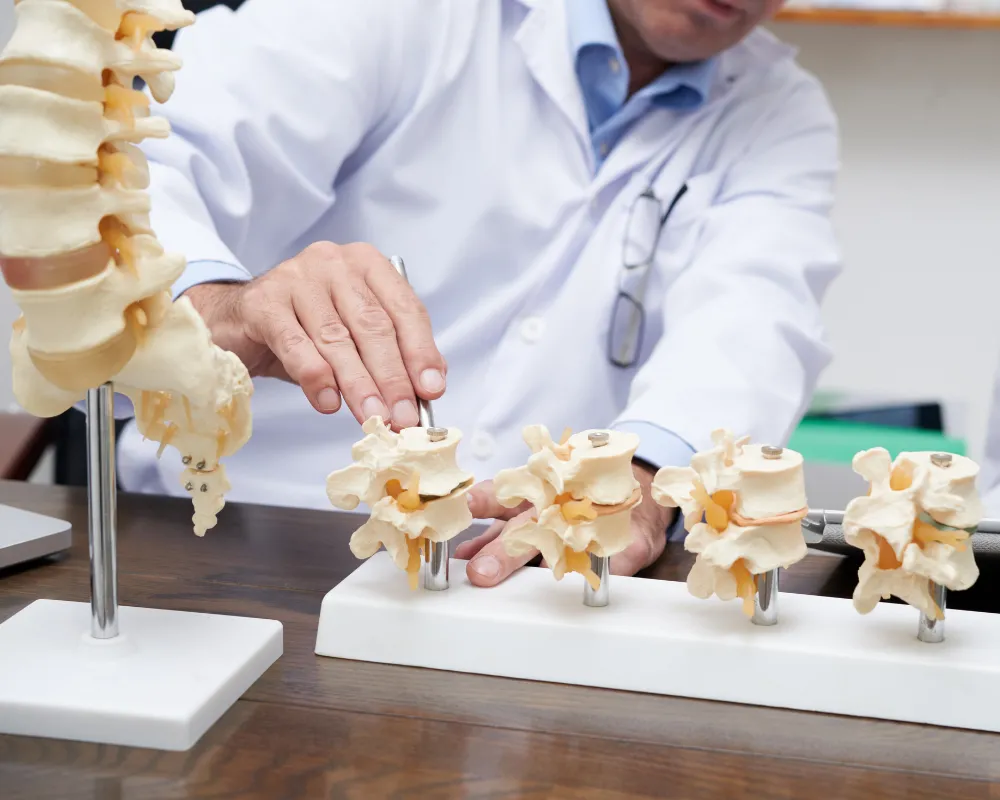
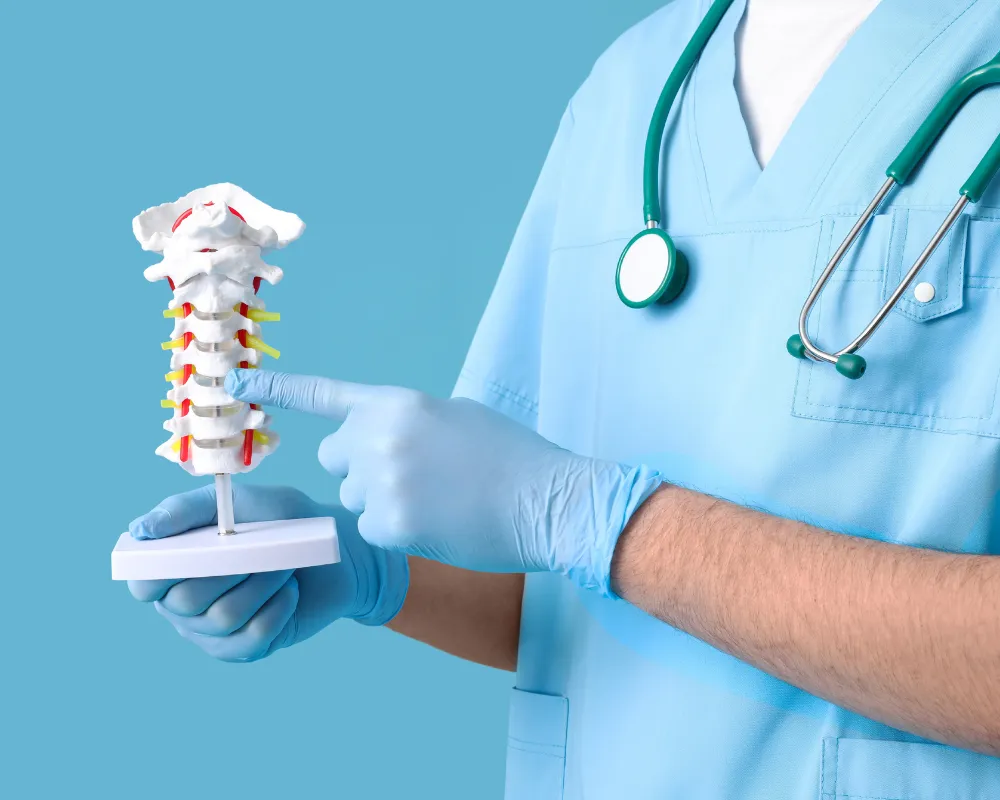
Back pain can be related to prolonged sitting, muscle strain, poor posture, physical activity or spinal and musculoskeletal conditions. Physiotherapy may include mobility exercises, stretching, strengthening and posture education based on the patient's needs. A structured rehabilitation programme can help improve movement and support better function during everyday activities.
Knee pain may occur due to arthritis, sports injuries, muscle weakness, ligament problems, overuse or recovery following orthopedic procedures. Physiotherapy can focus on improving knee movement, strengthening the surrounding muscles and developing better joint control. Exercises can be adjusted according to pain, mobility and the patient's functional requirements.
Sports-related injuries can affect muscles, tendons, ligaments and joints and may limit normal physical activity. Physiotherapy rehabilitation may address pain, flexibility, muscle strength, balance, coordination and movement control. A progressive exercise programme can support a gradual return to sports and other physical activities according to individual requirements.
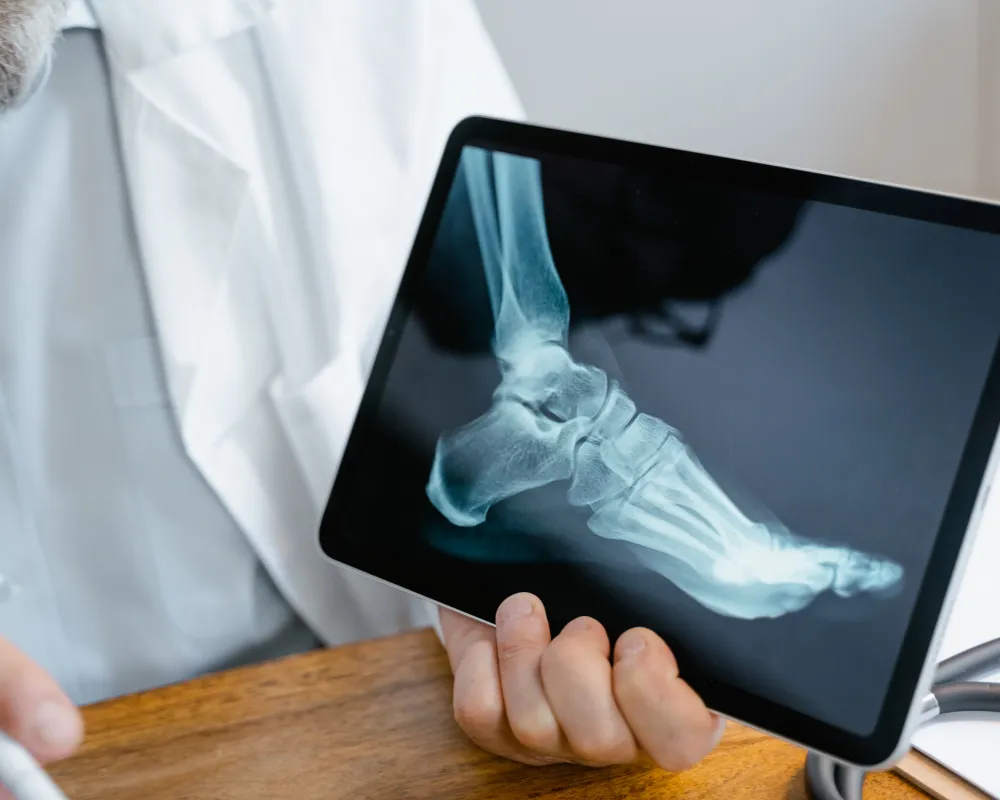
Physiotherapy can support rehabilitation following orthopedic and other surgical procedures. Depending on the surgery, treatment may focus on restoring joint mobility, rebuilding muscle strength, improving balance and developing functional movement. Exercises are selected according to the patient's surgical procedure, recovery stage and physical ability.
Arthritis may cause joint pain, stiffness and reduced mobility, affecting routine movements and physical activity. Physiotherapy can help maintain available joint movement and strengthen the muscles supporting affected areas. Exercise programmes can be modified according to symptoms, mobility and the patient's everyday activity requirements.
Muscle weakness and restricted mobility may develop after injury, surgery, prolonged inactivity or certain orthopedic conditions. Physiotherapy exercises can target specific areas of weakness and limited movement according to individual needs. Progressive strength and mobility training can help improve physical capacity and make daily activities easier to perform.
Older adults may experience reduced muscle strength, joint stiffness, balance difficulties and changes in mobility. Physiotherapy can include suitable strengthening, flexibility, balance and functional exercises to support physical independence. Treatment can be adapted according to the person's physical capacity, mobility level and everyday activities.
Some patients may find travelling to a physiotherapy centre difficult because of pain, limited mobility or recovery following surgery. Home physiotherapy can be considered when clinically appropriate, allowing selected rehabilitation exercises, mobility training and treatment guidance to be provided at home. The suitability of home-based physiotherapy depends on the patient's condition and rehabilitation requirements.
Faq’s
Orthopedic doctors treat bone, joint, muscle, ligament and spine conditions, including fractures, joint pain and sports injuries