Choosing a suitable physiotherapy clinic in Hasthinapuram can help individuals manage pain, improve physical movement and regain strength following an injury, surgery or musculoskeletal condition. Physiotherapy focuses on restoring functional ability through therapeutic exercises, mobility training, rehabilitation techniques and guided physical activity. Treatment can be planned according to the patient's symptoms, physical condition and individual recovery requirements.
Physiotherapy may be useful for people experiencing back pain, neck stiffness, knee problems, shoulder conditions, sports injuries, muscle weakness, ligament problems and post-operative movement limitations. A structured rehabilitation programme can support improvements in strength, flexibility, balance and coordination while helping patients gradually return to their routine activities.
Pain, stiffness and reduced mobility can affect work, exercise, walking and everyday activities. Physiotherapy aims to address these limitations through appropriate exercises, mobility work and rehabilitation techniques. The treatment approach can differ depending on whether the patient is recovering from an injury, managing a chronic musculoskeletal problem or undergoing rehabilitation after surgery.
Physiotherapy care in Hasthinapuram can be planned for people with different activity levels and physical requirements. A personalised programme may focus on improving joint movement, muscle strength, flexibility, balance and functional ability based on the patient's condition and rehabilitation goals.
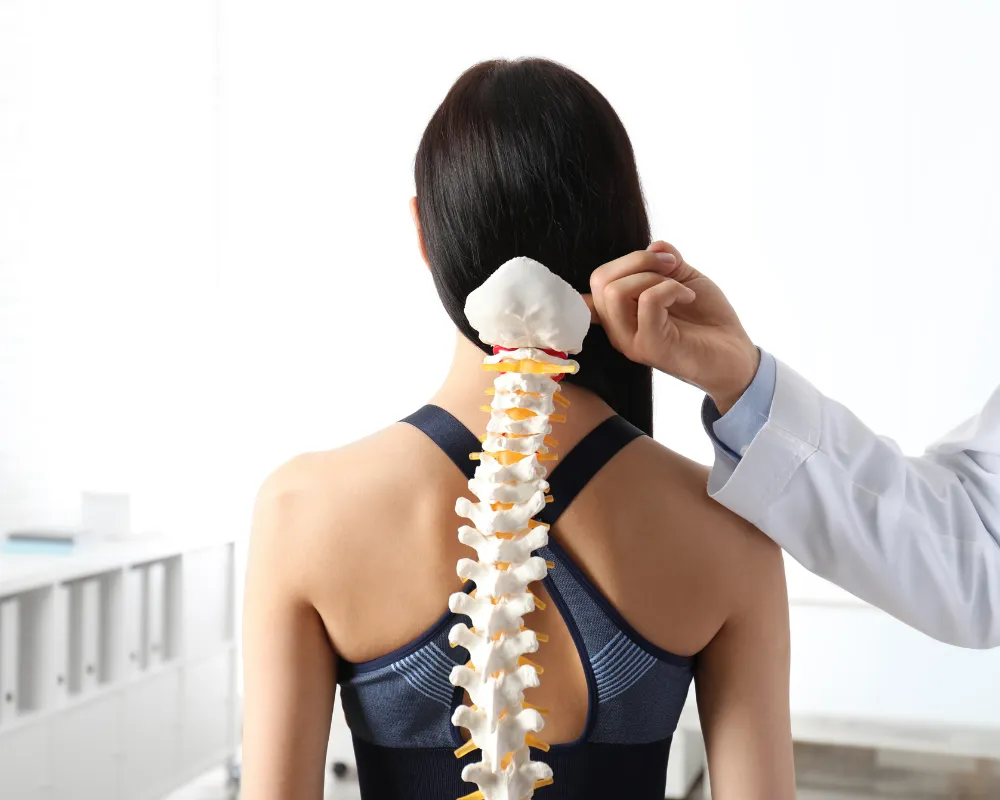
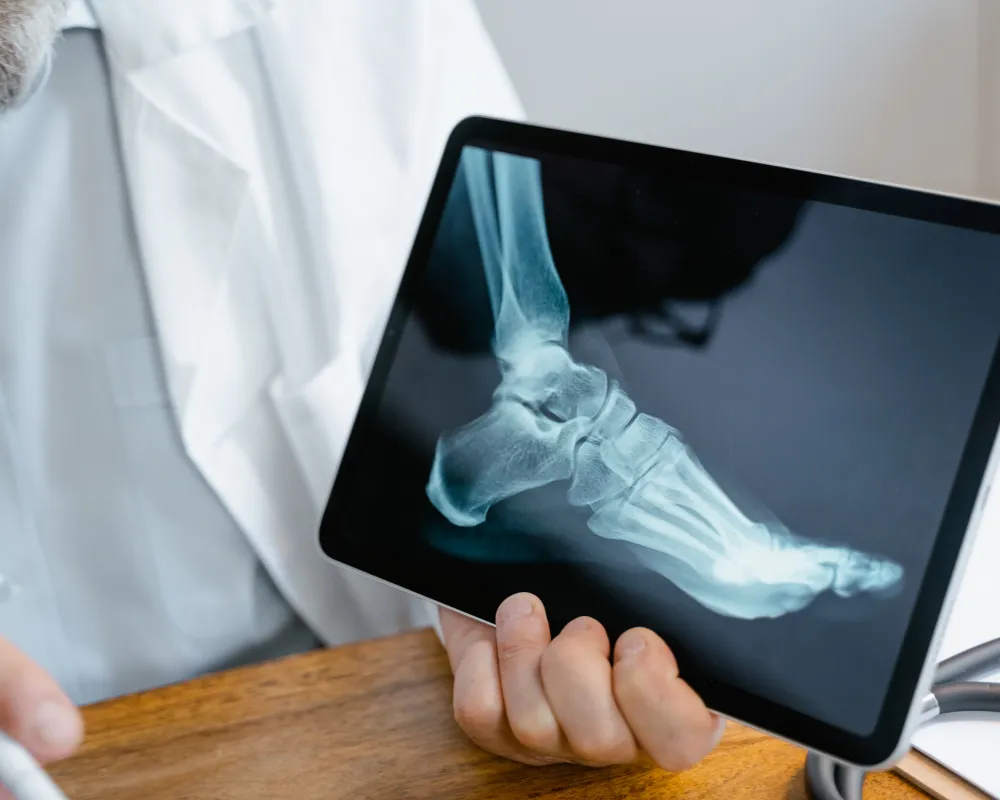
A physiotherapy assessment helps identify how pain, injury or reduced physical function is affecting movement and daily activities. The assessment may consider joint mobility, muscle strength, flexibility, posture, balance and functional movement. Based on the findings, a suitable rehabilitation programme can be planned and modified as the patient's condition changes.
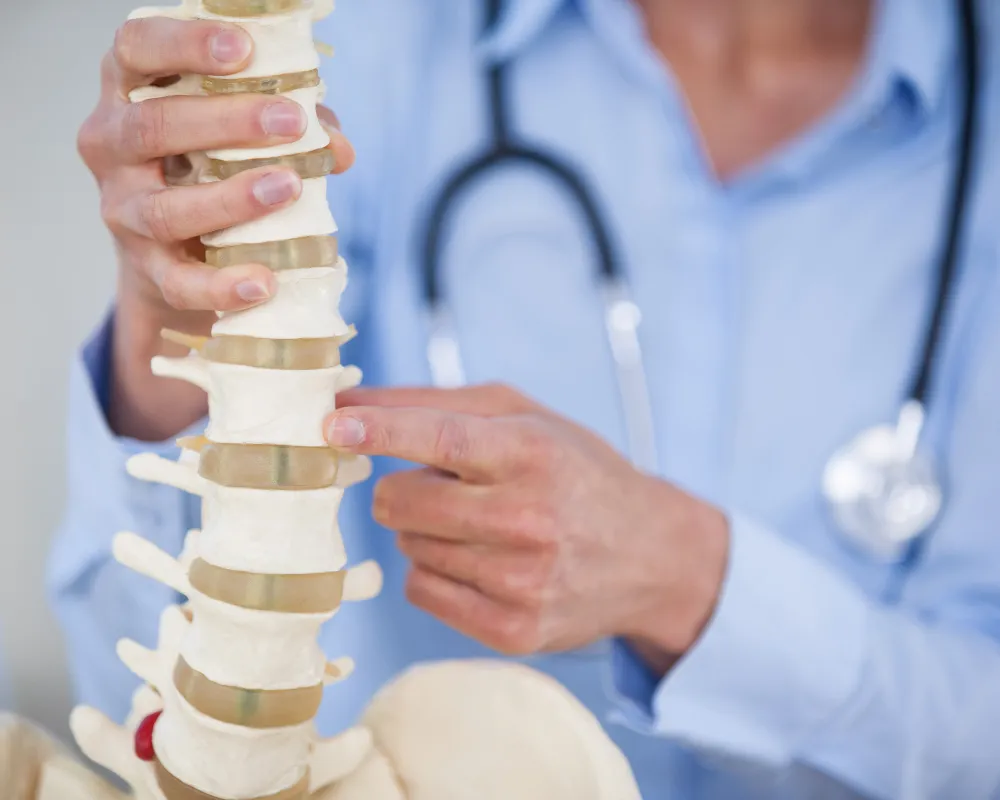
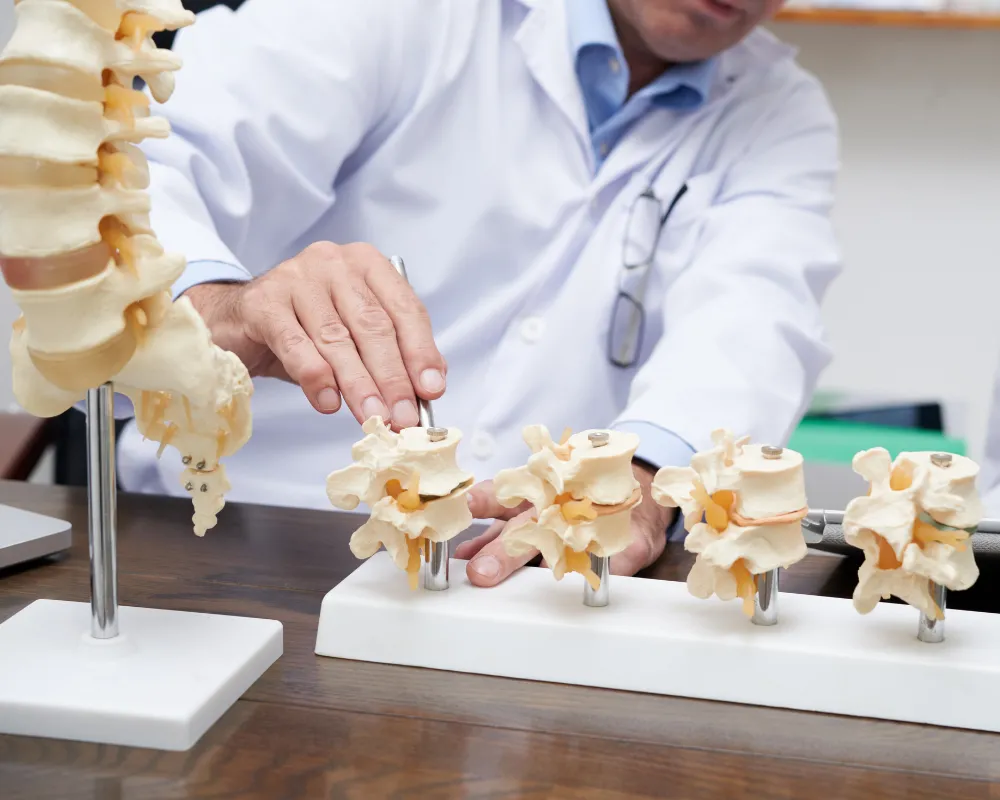
Back pain can develop because of muscle strain, prolonged sitting, poor movement patterns, physical activity or conditions involving the spine and surrounding tissues. Physiotherapy may include mobility exercises, strengthening, posture education and functional movement training. The treatment programme can be selected according to the underlying condition and the patient's physical abilities.
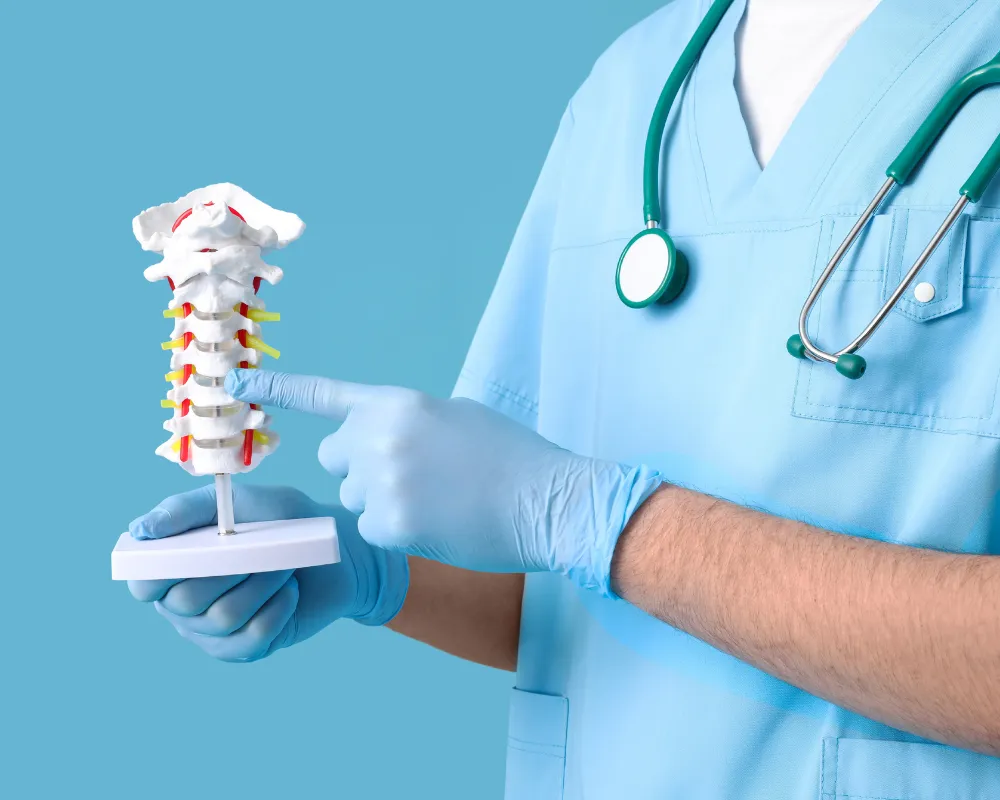
Neck pain and stiffness can affect people who spend long periods working at a desk, using digital devices or performing repetitive activities. Physiotherapy may focus on improving neck mobility, strengthening supporting muscles and developing better movement habits. Exercises can be progressed gradually according to symptoms and tolerance.
Knee pain may be associated with arthritis, ligament injuries, sports injuries, muscle weakness, overuse or previous trauma. Physiotherapy can help strengthen the muscles supporting the knee, improve flexibility and develop controlled movement. The rehabilitation programme can be adjusted according to pain levels, mobility and functional requirements.
Shoulder stiffness, tendon problems, rotator cuff injuries and weakness can make lifting, reaching and other daily activities difficult. Physiotherapy may include controlled mobility exercises, strengthening and functional rehabilitation. A personalised programme can support gradual improvement in shoulder movement and strength.
Sports and exercise-related injuries may affect muscles, tendons, ligaments and joints. Physiotherapy rehabilitation can address pain, flexibility, strength, balance and movement control. The programme can be progressed gradually according to the patient's activity level and the physical demands of their sport.
Arthritis may cause joint pain, stiffness, swelling and reduced mobility. Physiotherapy can help maintain joint movement and strengthen the muscles surrounding affected joints. Exercise programmes can be adapted according to the patient's symptoms, physical capacity and daily activity requirements.
Muscle strains, tendon problems and ligament injuries may require a gradual rehabilitation process. Physiotherapy can include flexibility exercises, strengthening, controlled movement and functional training. The programme can be modified as movement, strength and stability improve.
Physiotherapy can form an important part of orthopedic rehabilitation for patients recovering from joint injuries, fractures, ligament problems and orthopedic procedures. Rehabilitation may focus on restoring movement, improving muscle strength and gradually returning the patient to normal functional activities.
Physiotherapy can support recovery after orthopedic surgery by helping restore movement, strength and functional independence. Following procedures such as joint replacement, ligament repair or other orthopedic operations, exercises can be introduced and progressed according to the surgical procedure and stage of recovery.
Recovery after knee or hip replacement involves gradual improvement in mobility, muscle strength and confidence during everyday activities. Physiotherapy may include guided exercises, walking practice, flexibility training and functional movement exercises. Rehabilitation can be progressed according to the patient's recovery and physical capacity.
Reduced muscle strength and joint mobility can occur following injury, surgery, prolonged inactivity or certain physical conditions. Physiotherapy exercises can target specific muscle groups and areas of restricted movement. Progressive strengthening and mobility training can help improve physical function and make everyday movements easier.
Prolonged sitting, repetitive activities and poor movement habits can contribute to discomfort in the neck, shoulders and back. Physiotherapy may include posture education, mobility exercises, strengthening and guidance on everyday movement patterns. Improving movement awareness can support more efficient physical function.
Balance difficulties can affect standing, walking and other routine activities. Physiotherapy may include balance exercises, coordination activities and functional movement training based on individual needs. Exercises can be selected according to the patient's current abilities and progressed gradually.
Older adults may experience joint stiffness, reduced muscle strength, balance difficulties and limitations in mobility. Physiotherapy can support physical independence through appropriate strengthening, flexibility, balance and functional exercises. Treatment can be adapted according to age, physical capacity and daily activity requirements.
People who participate in sports, gym workouts, running or physically demanding activities may require physiotherapy for injury recovery or movement-related concerns. Rehabilitation can focus on restoring strength, flexibility, stability and movement control before gradually returning to regular physical activities.
Patients recovering from surgery or experiencing significant mobility limitations may sometimes find it difficult to travel to a clinic. Home physiotherapy can be considered when clinically appropriate, allowing selected rehabilitation exercises and treatment guidance to be provided in the patient's home environment. The suitability of home-based physiotherapy depends on the individual's condition and rehabilitation requirements.
Every patient can experience pain and movement difficulties differently. A personalised physiotherapy programme considers symptoms, physical condition, lifestyle and rehabilitation goals when selecting appropriate exercises and techniques. The programme can be modified as strength, flexibility and functional ability improve.
A physiotherapy consultation may be useful when pain or stiffness continues to interfere with daily activities, movement becomes restricted, muscle strength decreases after an injury or surgery, or returning to normal physical activity becomes difficult. Physiotherapy may also form an important part of recovery from sports injuries and orthopedic conditions.
Therapeutic exercise is an important part of many physiotherapy programmes. Depending on the patient's condition, exercises may focus on strengthening, flexibility, balance, coordination, joint mobility or functional movement. Exercises are selected according to the individual's ability and progressed as rehabilitation advances.
Physiotherapy aims to improve physical function along with managing pain and movement limitations. Through assessment, guided exercises and structured rehabilitation, patients can work towards better mobility, strength and independence. Consistent participation in the recommended programme can support gradual functional improvement.
If you are looking for a physiotherapy clinic in Hasthinapuram for back pain, neck pain, knee problems, shoulder conditions, sports injuries, post-operative rehabilitation, arthritis or movement-related difficulties, physiotherapy can provide a structured approach to improving physical function. Treatment can be planned according to individual symptoms, physical condition and rehabilitation goals.
Faq’s
Orthopedic doctors treat bone, joint, muscle, ligament and spine conditions, including fractures, joint pain and sports injuries