Physiotherapy is an important part of managing pain, restoring movement and supporting recovery from injuries, orthopedic conditions and surgeries. At Priya Ortho Clinic, physiotherapy care in Old Perungalathur focuses on understanding each patient's physical condition, movement limitations and rehabilitation requirements. Treatment may include therapeutic exercises, mobility training, strengthening, flexibility exercises and functional rehabilitation based on individual needs.
People experiencing back pain, neck stiffness, knee problems, shoulder discomfort, sports injuries, muscle weakness or restricted movement may benefit from a physiotherapy assessment. Rehabilitation can also be useful after orthopedic procedures or injuries when gradual restoration of strength and mobility is required.
Physiotherapy involves more than addressing pain. It also aims to improve physical movement, muscle function, flexibility and the ability to perform everyday activities. Physiotherapy care in Old Perungalathur may include exercise-based rehabilitation, mobility training, strengthening, posture correction, balance exercises and functional movement training.
The treatment programme can be adjusted according to the patient's symptoms, age, physical ability and stage of recovery. A gradual approach allows exercises and activities to be progressed as movement and strength improve.
A proper assessment is an important first step in planning physiotherapy treatment. The assessment may consider pain, joint movement, muscle strength, flexibility, posture, balance and functional limitations. Understanding these factors helps determine which areas require rehabilitation and how exercises should be progressed.
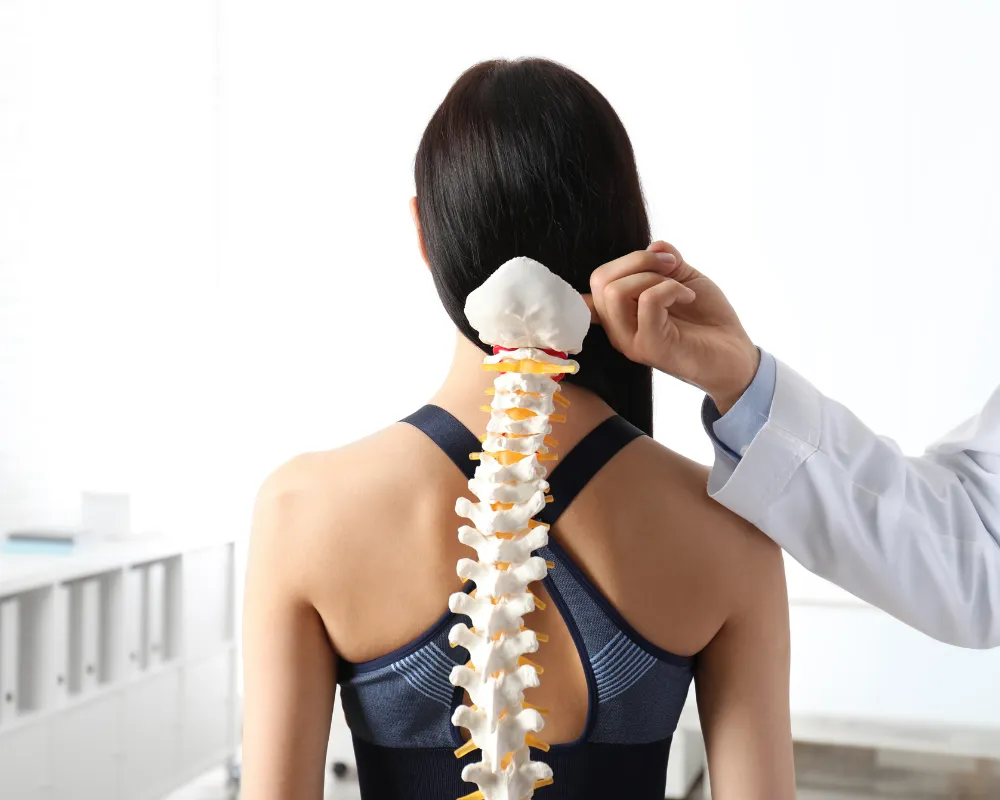
Physiotherapy can support rehabilitation for various orthopedic, muscular and movement-related conditions. Treatment is planned according to the individual's symptoms, physical findings and functional requirements rather than using the same exercise programme for every patient.
Back pain can affect sitting, standing, walking, bending and other routine activities. Physiotherapy may focus on improving spinal mobility, strengthening supporting muscles and correcting movement patterns that contribute to physical discomfort. Exercises can be introduced gradually according to the patient's condition and tolerance.
Neck pain and stiffness may affect head movement, posture and daily activities. Physiotherapy can include gentle mobility exercises, stretching, strengthening and posture-focused rehabilitation. The programme can be modified based on the patient's symptoms and range of movement.
Knee problems can make walking, climbing stairs, sitting down and getting up more difficult. Physiotherapy may focus on improving knee mobility, strengthening the muscles supporting the joint and developing better lower-limb movement. Progressive exercises can help patients work towards improved functional ability.
Shoulder pain or stiffness can interfere with reaching, lifting, dressing and other daily activities. Physiotherapy may include controlled range-of-motion exercises, stretching, strengthening and functional movement training to support gradual improvement in shoulder function.
Sports and exercise-related injuries may involve muscles, tendons, ligaments or joints. Physiotherapy can support recovery by addressing pain, restricted movement, weakness and reduced coordination. Rehabilitation exercises can be progressed gradually according to the individual's activity level and functional goals.
Arthritis can be associated with joint stiffness, discomfort and reduced physical activity. Physiotherapy may focus on maintaining joint mobility, improving muscle strength and supporting everyday movement. Exercises are selected according to the patient's physical condition and ability.
Muscle strains, tendon problems and ligament injuries may require controlled rehabilitation before returning to normal activities. Physiotherapy can address reduced strength, flexibility and movement through progressive exercises and functional training.
Orthopedic rehabilitation supports recovery from injuries, surgeries and conditions affecting bones, joints and muscles. Physiotherapy can help restore movement, improve strength and gradually rebuild the physical ability required for daily activities.
Rehabilitation after orthopedic surgery may involve several stages of recovery. Physiotherapy can include mobility exercises, strengthening, flexibility training and functional activities according to the stage of healing and the treating doctor's recommendations. Exercises can be progressed as physical function improves.
Physiotherapy is commonly incorporated into rehabilitation following knee or hip replacement surgery. Treatment may focus on restoring joint movement, strengthening surrounding muscles, improving walking ability and gradually returning to suitable daily activities. Rehabilitation is adjusted according to individual recovery and medical guidance.
Long periods of sitting, repetitive activities and inefficient movement patterns can contribute to stiffness and muscular imbalance. Physiotherapy can help patients understand healthier movement patterns and improve posture through suitable mobility, strengthening and functional exercises.
Muscle weakness and restricted joint movement can affect physical independence and everyday activities. A structured physiotherapy programme may include strengthening exercises, stretching, joint mobility work and controlled functional movements. Exercise difficulty can be increased gradually according to the patient's progress.
Reduced balance, coordination or lower-limb strength can affect walking and other daily movements. Physiotherapy may include balance exercises, coordination activities, strengthening and functional movement training. The programme can be adapted according to the patient's age, physical ability and rehabilitation requirements.
Older adults may experience reduced muscle strength, joint stiffness, balance difficulties and limitations in physical activity. Physiotherapy can support mobility and functional independence through suitable strengthening, flexibility, balance and movement exercises. Activities are introduced progressively according to individual capability.
People who participate in sports, exercise or physically demanding activities may require physiotherapy for injury recovery, movement correction or physical conditioning. Rehabilitation can focus on restoring mobility, strength, coordination and functional movement before gradually returning to appropriate activities.
Patients with limited mobility, post-surgical restrictions or difficulty travelling may require physiotherapy support at home. When clinically appropriate, home-based rehabilitation can include therapeutic exercises, mobility training, strengthening and functional activities within the patient's available environment.
Each patient may have different symptoms, physical limitations and recovery goals. Personalised physiotherapy takes these differences into consideration while planning rehabilitation. Treatment and exercises can be modified according to assessment findings, comfort level, physical ability and progress during recovery.
A physiotherapy assessment may be useful when pain, stiffness, weakness or restricted movement starts affecting everyday activities. Physiotherapy may also be considered during recovery from an orthopedic injury or surgery, while returning to sports, or when persistent movement difficulties interfere with normal physical function.
Therapeutic exercise is an important component of physiotherapy. Depending on the patient's condition, exercises may focus on joint mobility, flexibility, muscle strength, balance, coordination and functional movement. Exercises can be progressed gradually to match changes in physical ability and rehabilitation needs.
Functional movement is important for walking, climbing stairs, sitting, standing, reaching and performing routine activities. Physiotherapy can address movement restrictions, weakness, poor coordination and reduced mobility through targeted rehabilitation. The focus is on helping patients develop better physical control for everyday activities.
Physiotherapy at Priya Ortho Clinic in Old Perungalathur focuses on assessment-based rehabilitation for orthopedic and movement-related concerns. Whether the requirement involves pain management, post-surgical recovery, sports injury rehabilitation, strengthening, mobility training or functional rehabilitation, the treatment approach can be planned according to the patient's individual condition and physical requirements.
Faq’s
Orthopedic doctors treat bone, joint, muscle, ligament and spine conditions, including fractures, joint pain and sports injuries